Medically reviewed by Dr. Jinhag Baik, MD · Last updated September 2026
TransPRK vs LASEK vs LASIK: Which Vision Correction Is Right for You?
A board-certified ophthalmologist’s guide from Nunehim Eye Center, Seoul
Quick Answer
TransPRK, LASEK, and LASIK are laser vision correction options that differ mainly in how the corneal surface is prepared. TransPRK is a fully blade- and alcohol-free surface procedure suited to a wide range of corneas, LASEK uses a thin epithelial flap loosened with diluted alcohol, and traditional LASIK creates a deeper corneal flap. A board-certified ophthalmologist can evaluate your cornea to determine which approach is safest and most suitable for you.
Q. What is TransPRK LASEK LASIK comparison based on?
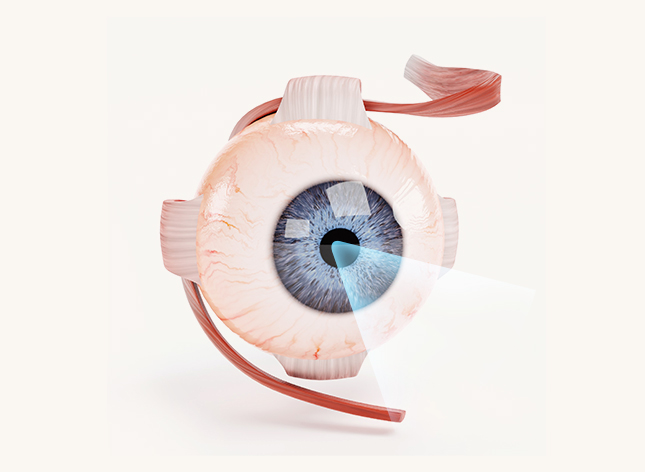
The core difference between these procedures is how the eye surgeon accesses the corneal tissue before applying the excimer laser. LASIK creates a thin flap in the deeper corneal stroma using a femtosecond laser or microkeratome blade. LASEK loosens only the outermost epithelial layer with a diluted alcohol solution. TransPRK removes the epithelium entirely using a single transepithelial laser pass, without any blade or alcohol. Nunehim Eye Center in Guro-gu offers TransPRK and 2-Day LASEK rather than flap-based LASIK.
Q. What are the safety differences between these procedures?
- TransPRK and LASEK avoid a deep corneal flap, which removes flap-related risks such as flap dislocation
- TransPRK is fully blade-free and does not use alcohol on the cornea
- Surface procedures may suit patients with thinner corneas who are not ideal LASIK candidates
- Traditional flap-based LASIK offers faster initial visual recovery for some patients
- Individual corneal thickness, shape, and refractive error determine which procedure is appropriate
Vision Correction in Korea: Key Figures
- ▸ Korea has one of the highest myopia rates in the world, with near-universal rates among young adults in Seoul
- ▸ Surface ablation procedures such as TransPRK have grown in popularity partly due to their no-flap safety profile
- ▸ Pre-operative corneal thickness measurement is a standard requirement before any laser vision correction in Korea
- ▸ Patients across Yeongdeungpo, Guro, and Gasan increasingly seek non-surgical options like OK lens before committing to surgery
- ▸ Military service and certain professions in Korea have corneal thickness and flap-related restrictions, making flap-free options particularly relevant.
Q. What does TransPRK and 2-Day LASEK recovery involve?
After TransPRK or 2-Day LASEK, the corneal surface needs several days to re-epithelialize. Most patients experience light sensitivity, tearing, and mild discomfort for the first few days, managed with protective contact lenses, lubricating drops, and prescribed medication.
Vision typically stabilizes gradually over one to a few weeks, longer than the faster initial recovery some patients experience with flap-based LASIK, but with the trade-off of avoiding flap-related risks entirely.
Q. What is OK lens and how does it compare?
OK lens (orthokeratology) is a non-surgical option: custom rigid lenses worn overnight temporarily reshape the cornea so vision is clear the next day without surgery. It’s fully reversible and is often chosen by patients not yet ready for a permanent procedure, or those who want to trial clearer vision before considering TransPRK or LASEK.
Q. Who should avoid laser vision correction?
- Corneas that are too thin for the intended correction
- Unstable refractive error (prescription still changing)
- Active corneal disease or severe dry eye
- Certain autoimmune conditions, pending evaluation
- Pregnancy or breastfeeding (temporary deferral recommended)
TransPRK
Fully blade- and alcohol-free surface procedure; single laser pass; no flap.
2-Day LASEK
Thin epithelial flap loosened with diluted alcohol, then repositioned; no deep flap.
Traditional LASIK
Deeper corneal flap created with a laser or blade; faster initial recovery for some patients.
“At Nunehim Eye Center, I recommend TransPRK or 2-Day LASEK to most of my patients in Guro and Yeongdeungpo because avoiding a corneal flap altogether gives us an extra margin of safety, especially for corneas that aren’t ideal for traditional LASIK.”
— Dr. Daniel Baik, Board-Certified Ophthalmologist
❓ Frequently Asked Questions
Q. Does Nunehim Eye Center perform LASIK in Seoul?
Nunehim Eye Center specializes in TransPRK and 2-Day LASEK rather than flap-based LASIK. Both are surface ablation techniques that avoid creating a deep corneal flap, which many patients and ophthalmologists consider a safety advantage, particularly for corneas that are thinner or more suited to a no-flap approach.
Q. What is the difference between TransPRK and 2-Day LASEK?
Both are flap-free surface procedures. TransPRK removes the corneal epithelium entirely with a single laser pass, with no alcohol or blade involved, while LASEK loosens a thin epithelial flap with a diluted alcohol solution before treatment and repositions it afterward. Recovery timing and comfort can differ slightly between the two, which your ophthalmologist will discuss based on your cornea.
Q. Is recovery longer with TransPRK or LASEK compared to LASIK?
Surface procedures like TransPRK and LASEK generally involve a few more days of light sensitivity and mild discomfort while the corneal surface heals, compared to flap-based LASIK. Most patients return to normal activities within about a week, and clear vision continues to stabilize over the following weeks.
Q. Am I a candidate for TransPRK or LASEK in Seoul?
Candidacy depends on your corneal thickness, refractive error, corneal shape, and eye health, which are assessed through a comprehensive pre-operative exam. Patients with thinner corneas or higher-risk profiles for flap complications are often better suited to surface procedures than to traditional LASIK.
Q. How is OK lens (orthokeratology) different from TransPRK, LASEK, or LASIK?
OK lenses are custom rigid contact lenses worn overnight to temporarily reshape the cornea, providing clear vision during the day without surgery. They are a non-surgical, reversible alternative, often chosen by patients who are not ready for a permanent procedure or who are not yet candidates for surgical vision correction.
Q. How much does vision correction surgery cost in Seoul?
Cost varies by procedure type, technology used, and the individual’s prescription, and is best confirmed during an in-person consultation and corneal evaluation with an ophthalmologist rather than estimated online.
Q. Where can I get a vision correction consultation near Yeongdeungpo or Guro?
Nunehim Eye Center, located in Guro-gu, provides comprehensive pre-operative evaluations for TransPRK, 2-Day LASEK, and OK lens for patients across Yeongdeungpo, Guro, Gasan, and Gwanak, with both Korean and English consultations available.


Book a Consultation
Find out whether TransPRK, 2-Day LASEK, or OK lens is right for you with a comprehensive evaluation at Nunehim Eye Center.
nunehim.com
📍 Visit Nunehim Eye Center — Guro, Seoul
Convenient access from Guro, Gasan, Gwanak & Dongjak. Near Guro Digital Complex Station (Line 2).
Address
551 Siheung-daero, Guro-gu, Seoul
nunehim.com
Hours
Mon–Fri 09:00–18:30 (lunch 13–14)
Sat 09:00–14:00
Languages
Korean & English
Related guides
About the author: Dr. Jinhag (Daniel) Baik, MD, is an ophthalmologist and the director of Nunehim Eye Clinic in Seoul, Korea (near Guro Digital Complex Station). A former Samsung semiconductor engineer, he welcomes English-speaking patients for vision correction, cataract, and general eye care.


Leave a comment