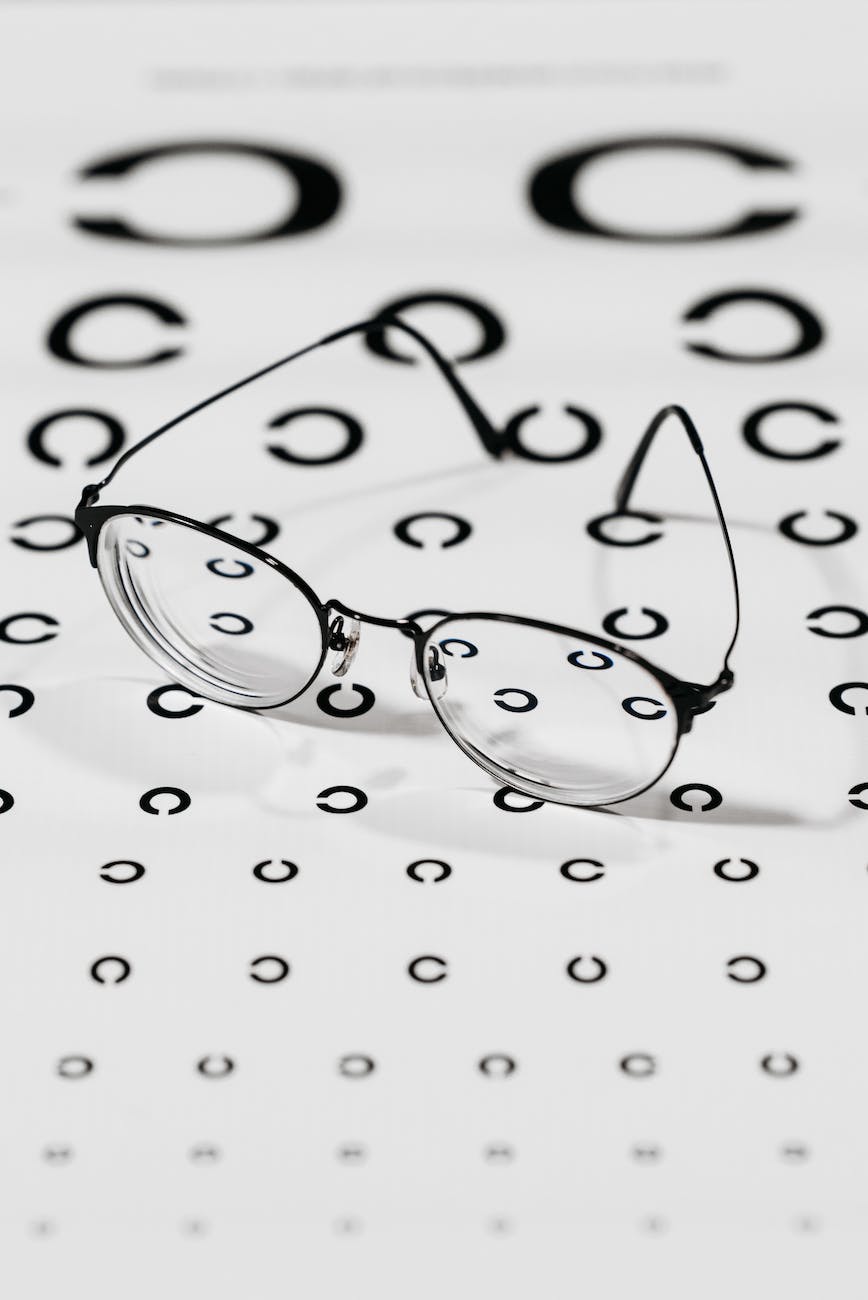
The importance of eye health is often overlooked, and many everyday habits could be contributing to the deterioration of our vision. Here, we’ll take a look at some of the common habits that could be harming your eyesight and offer tips on how to protect it.
Screen Time
Our dependence on technology means we spend more and more time staring at screens. This prolonged exposure to screens, including smartphones, laptops, and televisions, can lead to digital eye strain, also known as computer vision syndrome. Symptoms include dry, irritated eyes, headaches, and neck and back pain. To minimize the impact of screen time on your eyes, follow the 20-20-20 rule: every 20 minutes, take a 20-second break and look 20 feet away. Additionally, adjust your screen’s brightness, contrast, and text size to a comfortable level, and invest in anti-glare screen filters or blue light blocking glasses.
Poor Lighting
Whether you’re reading a book, working on a project, or just relaxing, poor lighting can strain your eyes. When the lighting is too dim, your eyes have to work harder to see, causing fatigue and discomfort. On the other hand, exposure to bright lights, such as overhead fluorescent lighting, can also strain your eyes. To avoid these issues, use natural light where possible, and supplement with adjustable lamps that allow you to control the brightness and direction of light.
Diet
What we eat can have a significant impact on our eye health. A diet lacking in essential vitamins and minerals, such as Vitamin A, C, and E, and zinc, can lead to vision problems. To protect your eyes, include plenty of leafy greens, fish, nuts, and eggs in your diet, and consider taking a daily multivitamin.
Smoking
Smoking not only damages your overall health but also increases the risk of developing age-related macular degeneration, cataracts, and optic nerve damage. To protect your eyes, quit smoking, and avoid exposure to secondhand smoke.
Lack of Sleep
Sleep is essential for our overall health, including our eyes. Lack of sleep can lead to dry, irritated eyes, and headaches, and can also increase the risk of developing eye diseases such as glaucoma. Aim to get at least 7-9 hours of sleep per night, and take breaks throughout the day to rest your eyes.
In conclusion, taking care of your eyes should be a priority, and by following these simple tips, you can help protect your vision and maintain good eye health. Don’t forget to schedule regular eye exams with an optometrist to catch any potential problems early and keep your eyes in top condition.


Leave a comment