🇺🇸 American-Trained Ophthalmologist | Full English Service | Seoul, Korea
Glaucoma Care in Seoul
Explained in English
Nunehim Eye Center · Yeongdeungpo · Guro · Gasan Digital Complex
🔍 Quick Answer
Glaucoma is a silent, progressive optic nerve disease — over 90% of patients in Korea have no idea they have it until found by chance. At Nunehim Eye Center, our board-certified ophthalmologist provides full glaucoma screening and management, all explained in English.
Are you an English speaker in Seoul looking for a glaucoma specialist you can actually communicate with? Nunehim Eye Center offers full English consultations — no translator needed — with a board-certified ophthalmologist board-certified in Korea.
Q. What exactly is glaucoma?
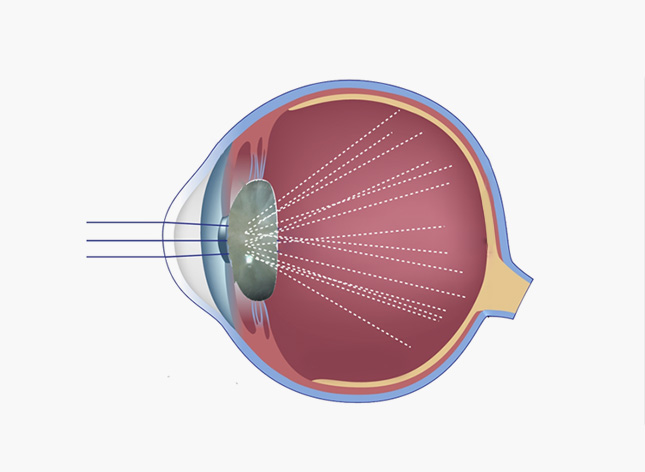
Glaucoma is a group of eye diseases that damage the optic nerve, typically due to elevated intraocular pressure (IOP). It is the leading cause of irreversible blindness worldwide. The most common form — open-angle glaucoma — progresses silently with no pain or vision changes until significant damage has occurred.
⚠️ Key fact: A 2024 Korean ophthalmology study found that over 90% of glaucoma patients had no awareness of their condition before diagnosis.
Q. What are the symptoms of glaucoma?
Early-stage glaucoma has NO symptoms. By the time peripheral vision loss is noticeable, up to 40% of optic nerve fibers may already be permanently damaged — this is why it’s called “the silent thief of sight.”
- Gradual loss of peripheral (side) vision
- Tunnel vision in advanced stages
- Halos around lights (acute angle-closure)
- Eye pain & redness — angle-closure emergency
Q. Who is at high risk for glaucoma?
🔴 Risk Factors
- Family history of glaucoma (3–9× higher risk)
- High myopia (−6D or more)
- Diabetes or hypertension
- Long-term steroid use
- Age over 40
- Told your eye pressure is “elevated”
✅ Our Recommendation
We especially recommend baseline screening for all expats and English speakers over 35. Routine Korean health checkups often do not include optic nerve evaluation.
Q. How is glaucoma diagnosed?
A full glaucoma evaluation at Nunehim Eye Center includes five key tests — all results explained clearly in English:
| Test | What It Measures |
|---|---|
Q. What are the treatment options?
Glaucoma cannot be cured, but it can be effectively controlled to prevent further vision loss. Treatment options include:
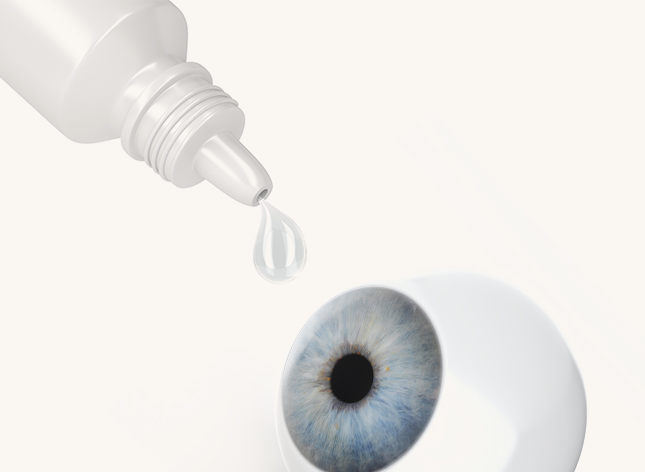
💊 Eye Drops
First-line treatment. Prostaglandin analogs or beta-blockers. Dr. Daniel Baik explains every medication in English.
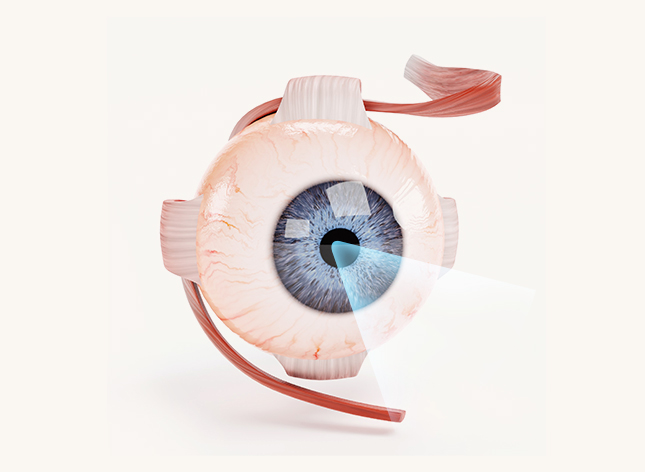
🔦 SLT Laser
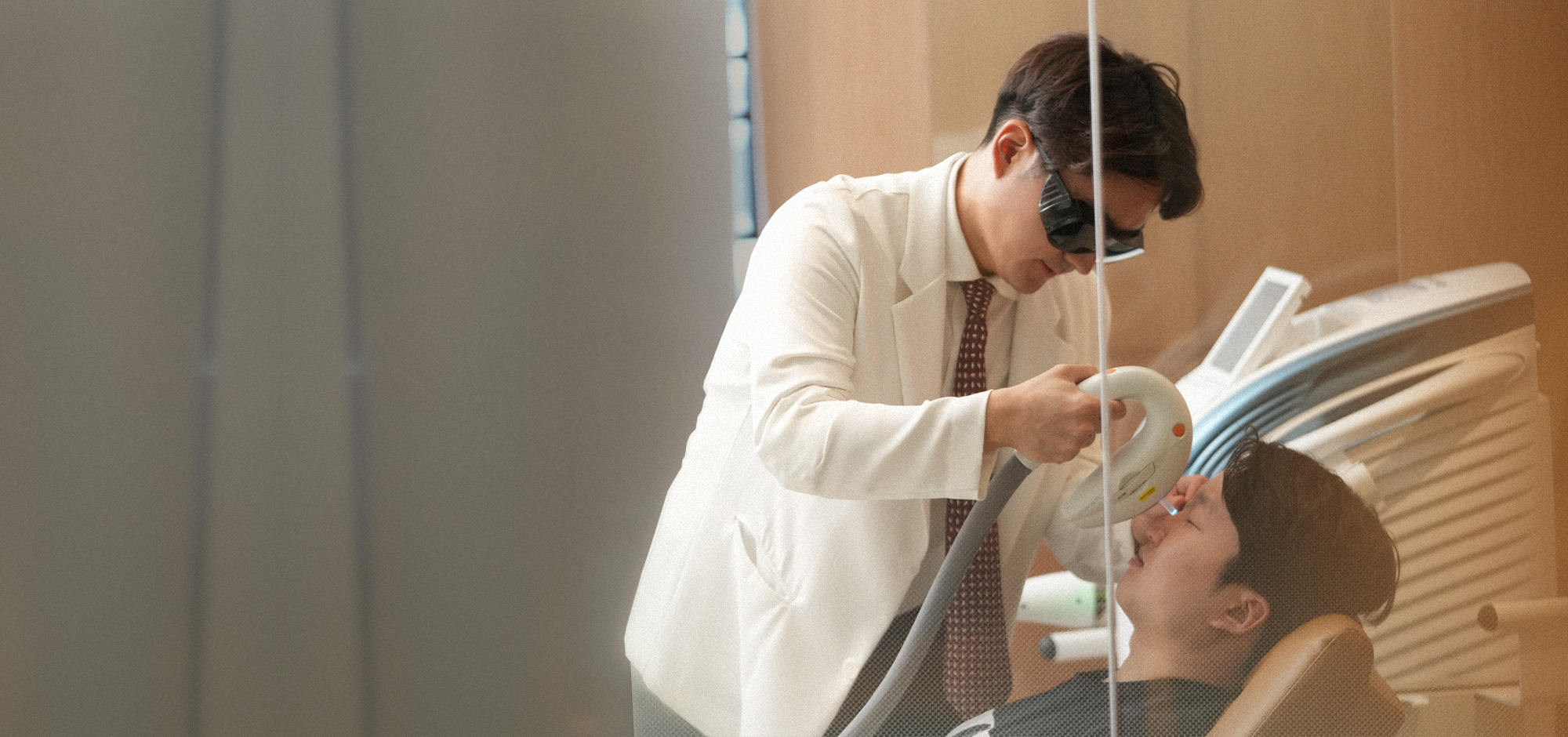
5-minute outpatient procedure. Painless. Improves fluid drainage. No incision or recovery time.
🏥 Surgery (MIGS)
Minimally invasive glaucoma surgery for advanced cases where drops and laser are not sufficient.
🇺🇸 BOARD-CERTIFIED OPHTHALMOLOGIST
Dr. Daniel Baik
American-Trained · Nunehim Eye Center
“Many of my English-speaking patients come in for the first time after years of skipping eye exams — simply because they didn’t know where to find an English-friendly clinic in Seoul. Glaucoma found early is very manageable. I encourage all expats over 35 to get a baseline glaucoma screening.”
Dr. Daniel Baik — Nunehim Eye Center
❓ Frequently Asked Questions
🔹 Is the consultation available entirely in English?
Yes. Dr. Daniel Baik (trained in the US) conducts full consultations in English. Written reports and prescriptions can also be provided in English upon request.
🔹 My Korean health checkup said eye pressure is normal. Do I still need a glaucoma exam?
Standard checkups use a non-contact tonometer only, which misses normal-tension glaucoma — the most common type in Koreans. A full OCT + visual field test is recommended.
🔹 Does glaucoma treatment hurt?
Eye drop treatment is completely painless. SLT laser takes ~5 minutes with only mild pressure. Surgery is performed under local anesthesia.
🔹 How often do I need check-ups once diagnosed?
Typically every 3–6 months depending on IOP control and disease stage. We’ll create a monitoring schedule that fits your lifestyle.
🔹 Can glaucoma be reversed?
Optic nerve damage is permanent and cannot be reversed. However, with proper treatment, the vast majority of patients maintain their vision for life.
🔹 My parent has glaucoma — what should I do?
Schedule a baseline glaucoma exam as soon as possible, ideally before age 40. Early detection is everything.
🔹 Do you accept Korean insurance or provide documentation for expat insurance?
We work with Korean National Health Insurance (건강보험). For international/travel insurance, we provide detailed English-language receipts and medical documentation.
📍 Visit Nunehim Eye Center in Seoul

🇺🇸 English-Friendly Eye Care in Seoul
📍 Yeongdeungpo · Guro · Geumcheon · Gasan Digital Complex
📝 blog.naver.com/nunehim | 📸 @nunehim
♥ Found this helpful? Like, save, and share with expat friends in Seoul.


Leave a comment