Glaucoma vs Normal Eye Pressure: What Every Adult in Seoul Should Know
Understanding glaucoma eye pressure, normal IOP ranges, and when to seek care — a practical guide for residents of Yeongdeungpo, Guro, Gasan, and across Seoul.
Q. What Is the Difference Between Glaucoma and Normal Eye Pressure?
Normal intraocular pressure (IOP) is 10–21 mmHg. Glaucoma eye pressure typically exceeds 21 mmHg and gradually damages the optic nerve — usually with no pain or warning until significant vision loss occurs. In South Korea, glaucoma is the leading cause of irreversible blindness, affecting approximately 3.5% of adults over age 40.
Q. What Is Glaucoma Eye Pressure?
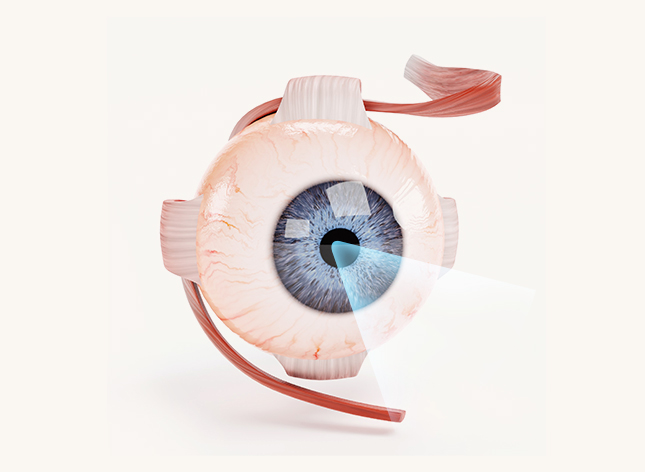
Glaucoma eye pressure refers to elevated intraocular pressure (IOP) — the fluid pressure inside the eye — that progressively damages the optic nerve. The eye continuously produces aqueous humour; when drainage is impaired, pressure rises. Most glaucoma patients have IOP above 21 mmHg, though some develop optic nerve damage even at normal pressure (normal-tension glaucoma). In dense urban districts like Yeongdeungpo, Guro, and Gasan, where screen time among adults is exceptionally high, regular IOP monitoring is increasingly essential.
Q. What Are Normal Eye Pressure Ranges?
A healthy intraocular pressure falls between 10 and 21 mmHg. Values above 21 mmHg are classified as ocular hypertension — a primary risk factor for glaucoma. IOP fluctuates throughout the day (typically peaking in the early morning), so a single measurement alone may be insufficient. Corneal thickness (pachymetry) also affects interpretation of tonometry readings.
- Normal IOP: 10–21 mmHg
- Ocular hypertension: 22–29 mmHg — at-risk, close monitoring required
- High IOP / glaucoma suspect: ≥30 mmHg — treatment often indicated
- Normal-tension glaucoma: optic nerve damage despite IOP within normal range
- Hypotony: below 6 mmHg — also pathological, requiring investigation
Q. What Are the Warning Signs of Glaucoma?
Glaucoma is often called the “silent thief of sight.” Primary open-angle glaucoma — the most common type in Korea — causes no pain or obvious symptoms in early stages. By the time peripheral vision loss becomes noticeable, up to 40% of optic nerve fibres may already be permanently damaged. Watch for these signs:
- Gradual loss of peripheral (side) vision
- Tunnel vision in advanced stages
- Sudden severe eye pain or pressure — may indicate acute angle-closure glaucoma (a medical emergency)
- Eye redness accompanied by nausea or vomiting
- Blurred vision and coloured halos around lights
- Family history of glaucoma — first-degree relatives have 4–9× higher risk
According to the Korean Glaucoma Society, approximately 1 in 28 Koreans over age 40 has glaucoma — one of the highest prevalence rates in East Asia. South Korea’s near-universal myopia rate (over 96% in young adults) is a contributing factor: highly myopic eyes have structurally thinner optic nerves, making them more vulnerable to glaucoma damage even at normal pressure. Residents of Yeongdeungpo, Guro, and Gasan — areas with high concentrations of office and digital workers — face compounded risk from prolonged near-work activity.
Q. How Is Glaucoma Eye Pressure Measured and Diagnosed?
At Nunehim Eye Center (눈에힘안과) in Yeongdeungpo, Dr. Daniel Baik uses non-contact tonometry (the painless air-puff test) for routine IOP screening, with Goldmann applanation tonometry for precise clinical measurement when indicated. A comprehensive glaucoma evaluation includes IOP testing, OCT optic nerve fibre layer analysis, optic disc photography, and visual field assessment — enabling detection years before symptoms arise.
Q. What Are the Treatment Options for Elevated Glaucoma Eye Pressure?
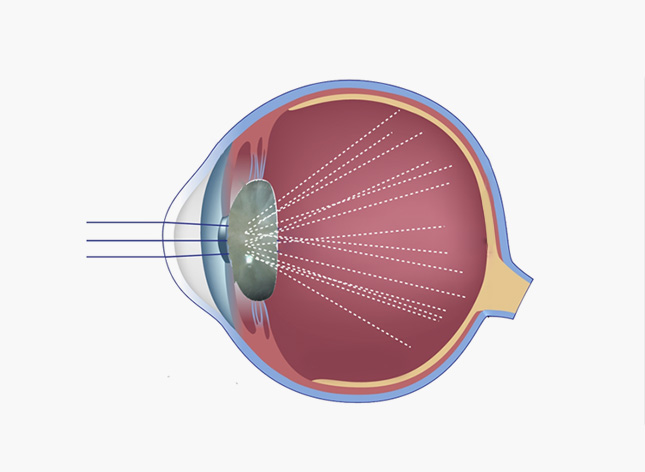
Treatment aims to lower IOP to a safe target level to halt optic nerve damage. At Nunehim Eye Center, Dr. Daniel Baik creates an individualised plan based on IOP level, optic nerve status, corneal thickness, and the patient’s daily lifestyle. Consultations are available in both Korean and English, serving patients from Yeongdeungpo, Guro, Gasan, and Gwanak.
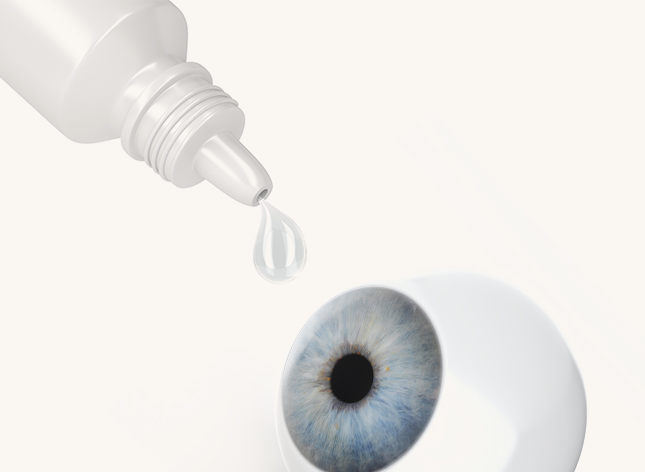
- Prescription eye drops (first-line): Prostaglandin analogues, beta-blockers, or alpha-agonists to reduce fluid production or improve drainage
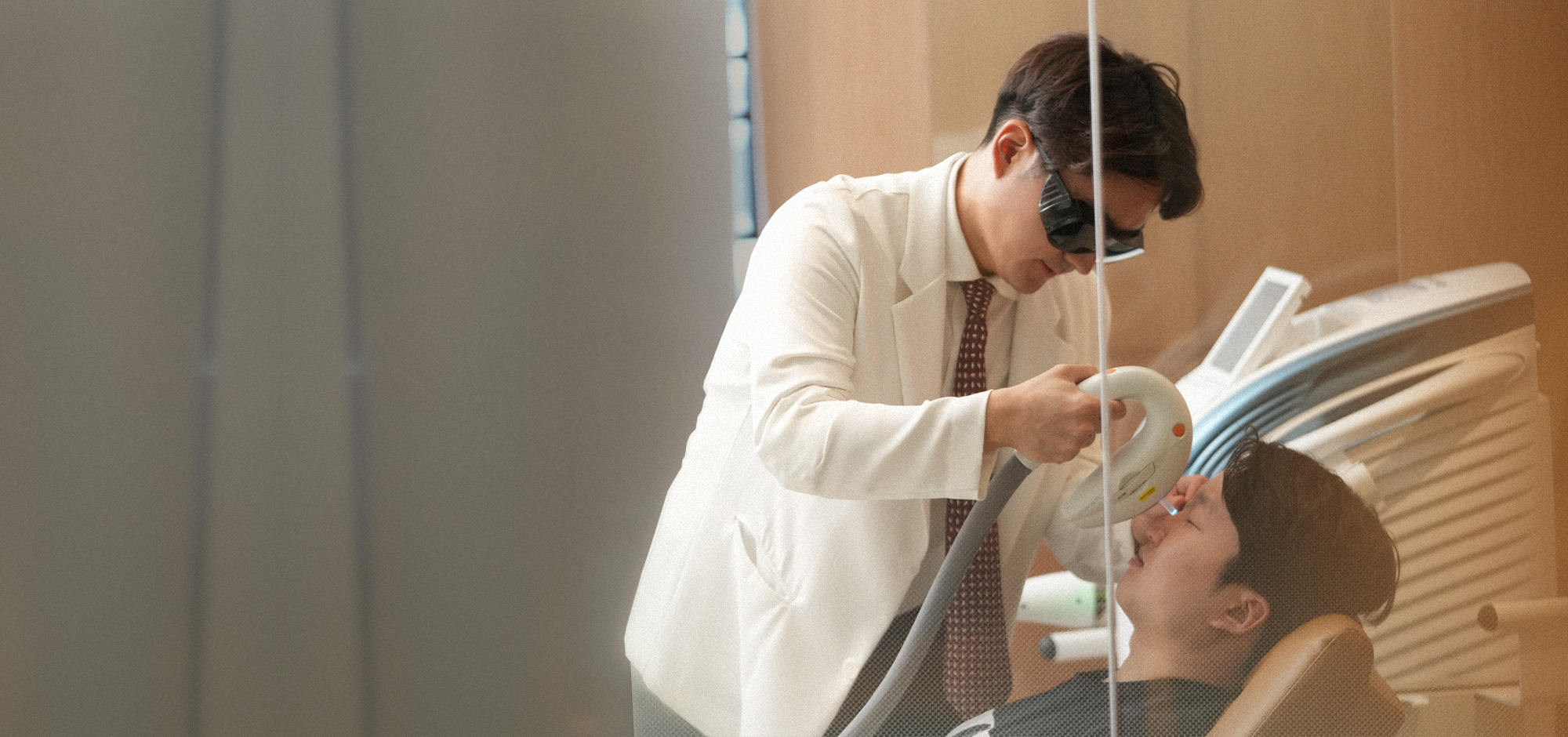
- Selective Laser Trabeculoplasty (SLT): A quick, painless laser that improves natural drainage — now a recognised first-line option per international guidelines
- Surgery (trabeculectomy / MIGS): For cases uncontrolled by drops or laser
- Active monitoring: For low-risk ocular hypertension, regular IOP checks with deferred treatment may be appropriate
Q. When Should I See a Doctor in Seoul for Glaucoma Eye Pressure?
Do not wait for symptoms. Schedule a glaucoma screening at Nunehim Eye Center in Yeongdeungpo if any of the following apply. Residents of Guro, Gasan, Gwanak, and wider Seoul are welcome — English consultations available, no referral required.
🔵 See a Doctor If…
You are over 40 years old · High myopia (−3D or more) · Family history of glaucoma · Diabetes or hypertension · No comprehensive eye exam in over 2 years
🟡 Urgent Review If…
Previous IOP reading above 22 mmHg · Long-term corticosteroid use (drops, inhalers, or oral steroids) · Noticeable change in peripheral vision · Recurrent headaches with eye pressure
🔴 Emergency — Go to ER If…
Sudden severe eye pain · Rapid loss of vision · Eye redness with nausea and vomiting · Halos around lights with headache — these are signs of acute angle-closure glaucoma requiring immediate care
From Dr. Daniel Baik, Board-Certified Ophthalmologist
“In my practice, glaucoma is the condition I worry about most — precisely because it takes vision silently. Many patients who visit Nunehim Eye Center from Yeongdeungpo, Guro, and Gasan arrive feeling perfectly fine, only to discover elevated glaucoma eye pressure and early optic nerve changes on screening. A painless IOP check takes under a minute and can protect your vision for decades. I encourage every adult over 40 to make it part of their annual health routine.”
— Dr. Daniel Baik | Nunehim Eye Center (눈에힘안과) | Yeongdeungpo-gu, Seoul
❓ Frequently Asked Questions About Glaucoma Eye Pressure
Q. Can glaucoma eye pressure be lowered naturally?
Mild lifestyle measures — regular aerobic exercise (which can reduce IOP by 2–3 mmHg), limiting caffeine, staying well-hydrated, and avoiding inverted yoga positions — offer modest support. However, they cannot replace medical treatment when IOP is clinically elevated. Please consult Dr. Daniel Baik at Nunehim Eye Center before relying on lifestyle adjustments alone.
Q. Is glaucoma more common in Korean adults?
Yes. South Korea has one of the highest glaucoma prevalence rates in East Asia, partly due to the near-universal myopia rate among younger Koreans. Highly myopic eyes have thinner optic nerves that are more susceptible to pressure-related damage. Residents of Yeongdeungpo, Guro, Gasan, and greater Seoul should prioritise annual IOP screening as part of routine preventive eye care.
Q. Does high eye pressure always mean glaucoma?
No. Ocular hypertension (IOP above 21 mmHg) does not automatically mean glaucoma. Studies show only about 10% of people with untreated high IOP will develop glaucoma within 5 years. That said, elevated glaucoma eye pressure remains the leading modifiable risk factor and requires regular monitoring and personalised risk assessment.
Q. Can vision lost from glaucoma be restored?
Unfortunately, no. Optic nerve fibres damaged by glaucoma do not regenerate. Vision that is lost to glaucoma is permanent. This is precisely why early detection and treatment of glaucoma eye pressure is so critical — treatment can arrest progression but cannot recover sight already lost.
Q. Is the eye pressure test (tonometry) painful?
Non-contact tonometry — the standard “air-puff test” — is completely painless and takes under a second per eye. Goldmann applanation tonometry requires numbing eye drops but is equally comfortable. Both tests are routinely performed at Nunehim Eye Center in Yeongdeungpo. The full IOP screening takes only a few minutes.
Q. How often should I have my eye pressure checked in Seoul?
Adults over 40 with no risk factors should have IOP measured every 1–2 years. Those with myopia, diabetes, a family history of glaucoma, or a prior high IOP reading should be checked annually or more frequently. Expats living in Seoul can visit Nunehim Eye Center in Yeongdeungpo for English-language glaucoma screening without a referral.
Q. Does Nunehim Eye Center offer glaucoma consultations in English?
Yes. Dr. Daniel Baik provides comprehensive consultations in both Korean and English at Nunehim Eye Center (눈에힘안과), located in Yeongdeungpo-gu, Seoul. The clinic welcomes patients from Yeongdeungpo, Guro, Gasan, Gwanak, and across Seoul. Visit nunehim.com to book your glaucoma eye pressure check.

Book Your Glaucoma Eye Pressure Check in Seoul
Nunehim Eye Center (눈에힘안과) provides comprehensive glaucoma screening and IOP management in Yeongdeungpo, Seoul. Dr. Daniel Baik, board-certified ophthalmologist, offers consultations in Korean and English. Serving Yeongdeungpo, Guro, Gasan, Gwanak, and all of Seoul.


Leave a comment