Allergic Conjunctivitis in Seoul: Causes, Symptoms & Relief
Expert eye care at Nunehim Eye Center — serving Yeongdeungpo, Guro, Gasan & Gwanak in Seoul
Q. What is allergic conjunctivitis in Seoul, and can it be treated?
Allergic conjunctivitis in Seoul is an inflammation of the eye’s conjunctiva triggered by airborne allergens — including yellow dust (황사), fine particulate matter (PM2.5), pollen, and air pollution that are especially prevalent in the Seoul metropolitan area. Yes, it is highly treatable: antihistamine eye drops, mast cell stabilisers, and allergen avoidance bring rapid, lasting relief. At Nunehim Eye Center in Yeongdeungpo, Dr. Daniel Baik, board-certified ophthalmologist, provides targeted diagnosis and individualised treatment plans for patients from Yeongdeungpo, Guro, Gasan, and Gwanak.
Q. What is Allergic Conjunctivitis?
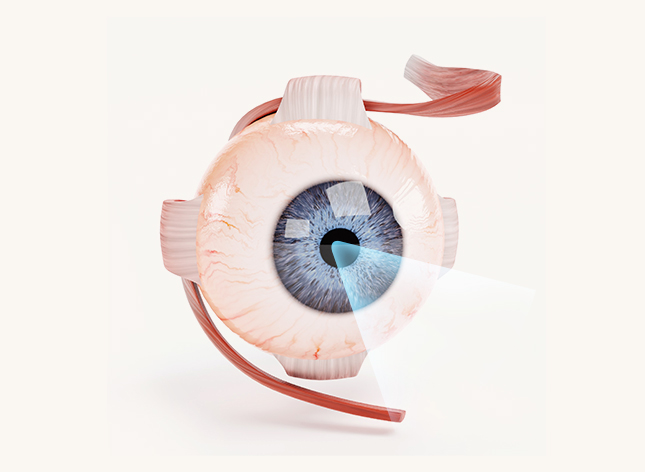
Allergic conjunctivitis is an IgE-mediated hypersensitivity reaction of the ocular surface. When allergens contact the conjunctiva, mast cells release histamine and other inflammatory mediators, producing the classic triad of itching, redness, and watery discharge. In Seoul — one of the world’s most densely populated cities — seasonal and perennial forms both occur, fuelled by spring tree pollen, summer grass and mould spores, autumn ragweed, and year-round dust mites and pet dander. The Korea Disease Control and Prevention Agency (KDCA) estimates that roughly 15–20% of the Korean population suffers from some form of allergic eye disease, with prevalence rising each year as urban pollution worsens.
Q. What are the symptoms of allergic conjunctivitis?
- Intense itching and rubbing of the eyes
- Redness (conjunctival injection) in one or both eyes
- Watery or mucoid discharge (clear, not purulent)
- Eyelid swelling (chemosis)
- Burning or foreign-body sensation
- Photophobia (light sensitivity)
- Stringy mucus, especially on waking
- Symptoms that worsen outdoors or on high-pollen / high-dust days
In Yeongdeungpo, Guro, and Gasan — dense commercial and residential districts in south-west Seoul — pollution levels frequently exceed WHO guidelines during spring and autumn. Yellow dust events (황사), originating from Chinese and Mongolian deserts, carry heavy metals and biological particles that are potent eye irritants. Gwanak district residents near the Han River banks also experience elevated pollen counts from riverside vegetation. These local environmental factors make Seoul residents particularly susceptible to allergic conjunctivitis compared with rural populations.
Q. Q. What causes allergic conjunctivitis in Seoul?
The most common triggers in Seoul include: (1) Yellow dust and fine dust (PM2.5) — South Korea ranks among the countries most affected by cross-border dust events, with annual PM2.5 averages frequently exceeding 25 µg/m³ in Guro, Yeongdeungpo, and Gasan. (2) Pollen — plane trees (플라타너스) lining the streets of Yeongdeungpo and Gwanak shed copious pollen in April and May. (3) Dust mites — South Korea’s humid summers encourage high indoor mite loads. (4) Animal dander — pet ownership has tripled in Korea over the past decade. (5) Contact lens wear — improper lens hygiene concentrates allergens on the ocular surface, a risk factor Dr. Daniel Baik frequently addresses at Nunehim Eye Center.
Q. What treatments are available for allergic conjunctivitis in Seoul?
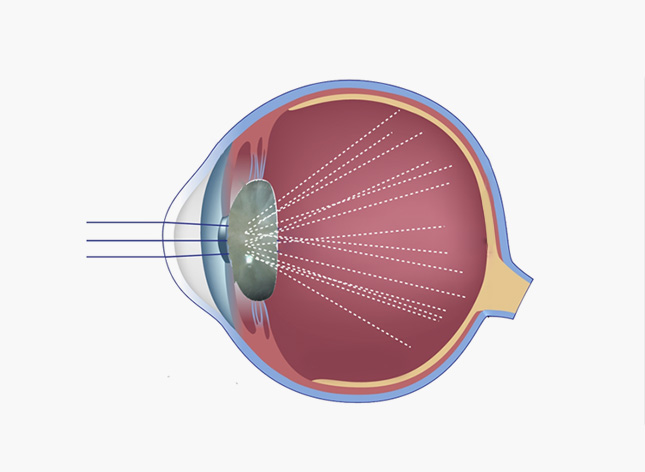
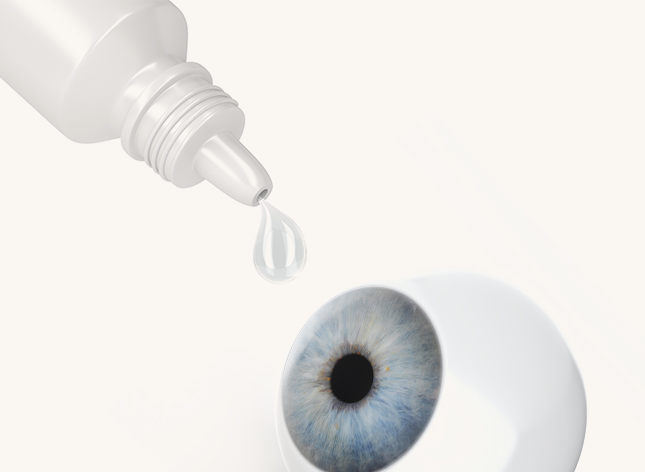
Treatment is tailored to severity. Mild cases respond well to topical antihistamine/mast cell stabiliser combination drops (e.g., olopatadine or ketotifen), used twice daily during the allergy season. Moderate-to-severe cases may require short courses of mild topical corticosteroids — always under ophthalmologic supervision to avoid complications such as steroid-induced glaucoma or cataract. Oral antihistamines can complement eye drops. Crucially, cold compresses, preservative-free artificial tears to wash out allergens, and allergen avoidance (wearing wraparound sunglasses outdoors, rinsing eyes after dust exposure) form the cornerstone of daily management. Dr. Daniel Baik at Nunehim Eye Center in Yeongdeungpo assesses each patient’s allergen profile and prescribes the most appropriate evidence-based regimen.
For contact lens wearers in Guro and Gasan, switching to daily disposable lenses during high-allergen periods — or temporarily returning to spectacles — dramatically reduces symptom load.
Q. When should residents of Seoul see an eye doctor for conjunctivitis?
Most people dismiss allergic conjunctivitis as a minor inconvenience, but prompt ophthalmologic review is important if:
- Symptoms persist beyond 2 weeks despite OTC antihistamine drops
- Vision becomes blurred — this may indicate corneal involvement (vernal keratoconjunctivitis)
- Severe chemosis (ballooning of the conjunctiva) develops
- There is pain, not just discomfort — pain suggests keratitis or uveitis
- Purulent (yellow-green) discharge develops, suggesting bacterial superinfection
- Symptoms appear in a newborn or infant (requires urgent specialist assessment)
- Contact lens wear becomes painful or vision drops
Seasonal Allergic Conjunctivitis
The most common type — flares in spring (pollen) and autumn (ragweed, mould). Bilateral itching and watery eyes are hallmarks. Responds well to topical antihistamines. Very common in Yeongdeungpo and Gasan each April–May.
Perennial Allergic Conjunctivitis
Year-round symptoms driven by dust mites, pet dander, and cockroach allergen. Less intense than seasonal but chronically disruptive. Many Guro and Gwanak apartment residents are affected due to high indoor humidity.
Vernal Keratoconjunctivitis (VKC)
A severe, vision-threatening form affecting mostly young males. Giant papillae form under the upper eyelid; corneal scarring is possible. Requires specialist care at Nunehim Eye Center — do not self-treat with steroids.
A Note from Dr. Daniel Baik
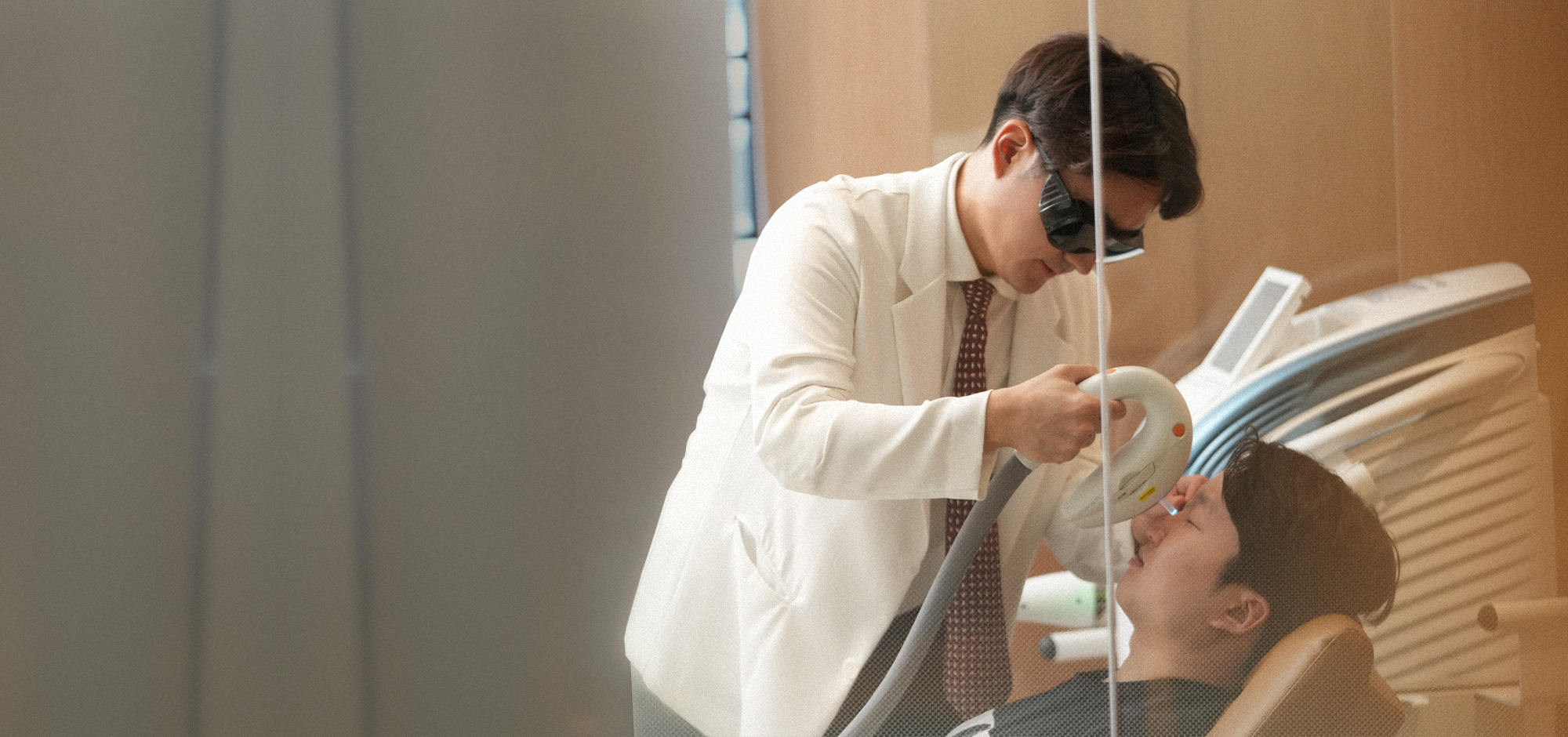
“In my practice at Nunehim Eye Center, allergic conjunctivitis is one of the most frequently mismanaged conditions I see. Patients often self-treat with OTC vasoconstrictors — the ‘red-eye drops’ — which provide short-term whitening but worsen rebound inflammation over time. I advise everyone in Yeongdeungpo, Guro, Gasan, and Gwanak who experiences persistent eye itching or redness to come in for a proper slit-lamp examination. A correct diagnosis allows us to prescribe the right drops, protect your cornea, and keep your vision sharp for the long term.” — Dr. Daniel Baik, board-certified ophthalmologist, Nunehim Eye Center
Nunehim Eye Center offers Korean and English consultations. Visit nunehim.com to book your appointment.
❓ Frequently Asked Questions about Allergic Conjunctivitis in Seoul
Q. Is allergic conjunctivitis contagious?
No. Allergic conjunctivitis is an immune response to environmental allergens — it cannot be passed from person to person. Bacterial and viral conjunctivitis, however, are contagious. If you are unsure which type you have, see Dr. Daniel Baik at Nunehim Eye Center in Yeongdeungpo for a definitive diagnosis.
Q. How long does allergic conjunctivitis last in Seoul?
Seasonal flares typically last 4–8 weeks, peaking during yellow dust season (March–May) and autumn (September–October). With appropriate treatment, symptoms can be controlled within 1–3 days. Patients near Guro and Gasan industrial areas may experience more prolonged exposure due to particulate pollution.
Q. Can I wear contact lenses if I have allergic conjunctivitis?
It is generally possible, but requires care. Daily disposable lenses minimise allergen accumulation. Avoid lens wear on high-dust days. Some patients from Gwanak and Yeongdeungpo with severe seasonal allergies benefit from switching to spectacles for 4–6 weeks during peak season. Dr. Daniel Baik can advise on the best contact lens strategy for your allergen profile.
Q. Are steroid eye drops safe for allergic conjunctivitis?
Short courses of mild topical corticosteroids (e.g., loteprednol) are effective for moderate-to-severe flares but must be used under ophthalmologic supervision. Long-term unsupervised steroid use raises intraocular pressure in susceptible individuals and can cause cataracts. At Nunehim Eye Center, all steroid prescriptions are paired with regular pressure checks.
Q. Does yellow dust (황사) worsen allergic conjunctivitis?
Yes — significantly. Yellow dust carries silica particles, heavy metals (lead, cadmium), and microorganisms that are potent ocular irritants. South Korea’s Ministry of Environment issues yellow dust warnings (황사 경보) several times each spring; on such days, residents of Yeongdeungpo, Guro, Gasan, and Gwanak should wear wrap-around sunglasses outdoors, use preservative-free artificial tears, and avoid rubbing their eyes.
Q. Can children get allergic conjunctivitis in Seoul?
Yes — allergic conjunctivitis is among the most common paediatric eye complaints in Korea. Children in Guro and Gwanak school districts frequently present with itchy, red eyes during spring and autumn. Paediatric assessment is important to distinguish allergic from infectious conjunctivitis and to ensure appropriate age-adjusted treatment. Nunehim Eye Center provides paediatric eye care alongside adult services.
Q. How is allergic conjunctivitis diagnosed?
Diagnosis is primarily clinical: a slit-lamp examination reveals characteristic conjunctival papillae (small bumps under the eyelid), chemosis, and a watery discharge. Tear cytology showing elevated eosinophils confirms the allergic aetiology. In selected cases, specific IgE allergy testing (skin prick or RAST) identifies the triggering allergen. Dr. Daniel Baik performs comprehensive slit-lamp evaluations at Nunehim Eye Center in Yeongdeungpo.

Book a Consultation for Allergic Conjunctivitis in Seoul
Serving Yeongdeungpo · Guro · Gasan · Gwanak | Korean & English | nunehim.com


Leave a comment