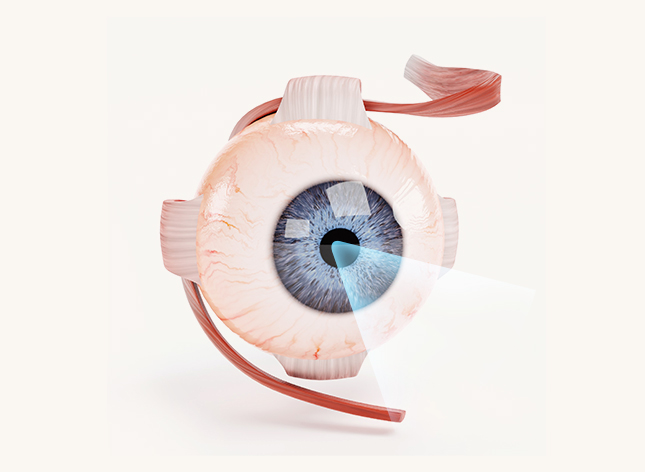
Amblyopia (Lazy Eye) Treatment for Children in Seoul
Early detection, evidence-based treatment, and English-language consultations at Nunehim Eye Center — Yeongdeungpo · Guro · Gasan · Gwanak
Q. What is amblyopia treatment for children in Seoul?
Amblyopia (lazy eye) in children is treated with corrective glasses, patching the stronger eye (occlusion therapy), or atropine eye drops. At Nunehim Eye Center in Yeongdeungpo, Seoul, Dr. Daniel Baik — a board-certified ophthalmologist — recommends beginning treatment before age 7 for the best visual outcomes. English consultations are available for expat families throughout Yeongdeungpo, Guro, Gasan, and Gwanak.
Q. What is amblyopia (lazy eye) in children?
Amblyopia, commonly called “lazy eye,” is a neurodevelopmental vision condition where one eye (occasionally both) fails to achieve normal visual acuity, even with the best corrective lenses. It is the most common cause of vision loss in children, affecting roughly 2–3% of the population worldwide. In Korea, amblyopia treatment for children in Seoul is a frequent reason for pediatric eye consultations — with the country’s near-100% childhood myopia rate meaning many children already wear glasses, making regular screening essential to catch amblyopia early.
The condition develops when the brain begins to suppress or ignore signals from one eye during the critical period of visual development (typically birth to age 7–9). Without timely amblyopia treatment, children in Seoul and globally can be left with permanent reduced vision in the affected eye — even after the underlying cause (such as a refractive error or strabismus) is corrected.
Q. What are the signs and symptoms of amblyopia in children?
Amblyopia can be difficult to detect because children often do not complain about reduced vision in one eye — they simply adapt. Parents and caregivers in Yeongdeungpo, Guro, Gasan, and neighbouring areas should watch for:
- Squinting or closing one eye, especially in bright light
- Head tilting or turning to favour one side
- Poor eye-hand coordination for age
- One eye that appears to wander, cross, or turn out
- Complaints of blurred or double vision
- Failing a school vision screening for one eye
Q. How common is amblyopia among children in Korea?
Korea has one of the highest rates of childhood myopia in the world — by age 12, approximately 80% of Korean children are myopic, rising to nearly 97% by late adolescence. High myopia and significant refractive differences between the two eyes (anisometropia) are leading risk factors for amblyopia. Paediatric ophthalmologists in Yeongdeungpo and across Seoul therefore routinely screen for amblyopia alongside myopia management. Regular eye exams starting at age 3 are recommended by the Korean Ophthalmological Society for all children, even those without obvious symptoms.
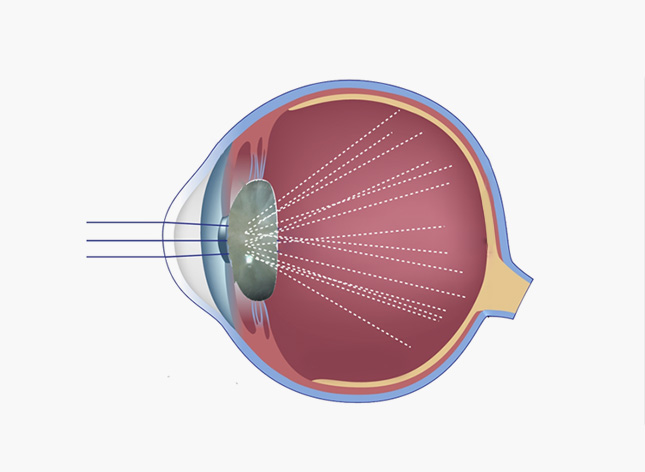
Q. What are the treatment options for amblyopia in Seoul?
At Nunehim Eye Center in Yeongdeungpo, Dr. Daniel Baik uses a combination of evidence-based approaches tailored to each child’s age, amblyopia type, and severity:
- Corrective glasses or contact lenses — the first step for refractive amblyopia; many children show significant improvement with glasses alone within 3–6 months
- Occlusion patching — covering the stronger eye for 2–6 hours per day forces the brain to use the weaker eye, building visual pathways
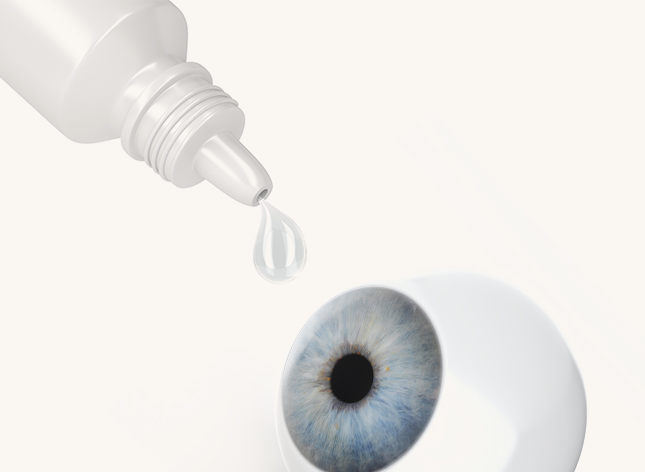
- Atropine penalisation — weekly atropine drops blur the strong eye’s near vision as an alternative to patching, useful for children who resist wearing a patch
- Vision therapy / perceptual learning — digital and game-based exercises that train the brain to process information from both eyes simultaneously
- Surgery (if strabismus is present) — in cases where a misaligned eye is causing amblyopia, muscle-alignment surgery may be recommended before or after patching therapy
Q. When should I take my child to an eye doctor in Seoul for amblyopia?
The earlier amblyopia treatment begins, the better the prognosis. The visual system is most plastic (responsive to treatment) before age 7, though meaningful improvement can still occur up to age 12 in many children. Parents in Guro, Gasan, Gwanak, and Yeongdeungpo should arrange an immediate eye examination if they notice any of the warning signs above. The Korean Ophthalmological Society recommends comprehensive eye exams at:
- Age 3–4 — first full paediatric eye exam
- Age 5–6 — before starting school; amblyopia and refractive errors are common and affect learning
- Annually from age 6 onwards — especially if glasses have been prescribed or a family history of amblyopia, strabismus, or high myopia exists
Q. What are the main types of amblyopia?
Refractive Amblyopia
Caused by a significant difference in prescription between the two eyes (anisometropia) or by high uncorrected refractive error in both eyes. Most common type in Korea due to the high prevalence of myopia and astigmatism. Usually correctable with glasses.
Strabismic Amblyopia
Caused by constant eye misalignment (strabismus / crossed eyes). The brain suppresses the image from the deviating eye to avoid double vision, leading to amblyopia. Treatment typically combines patching with eye muscle surgery.
Deprivation Amblyopia
The rarest but most severe form. Caused by anything that blocks light from entering one eye during the critical period — such as a congenital cataract, severe ptosis (droopy eyelid), or corneal opacity. Requires urgent treatment to prevent permanent vision loss.
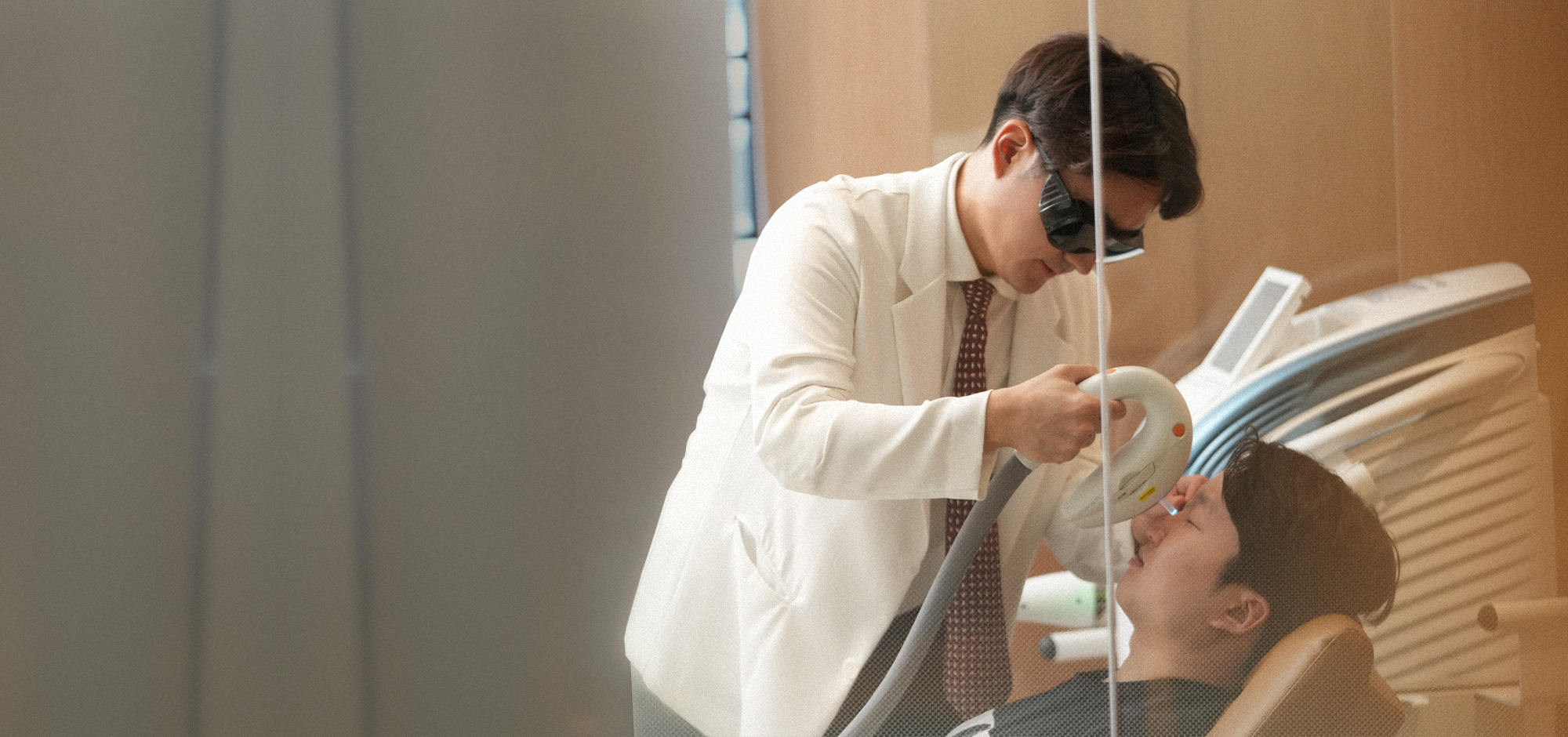
A note from Dr. Daniel Baik
“Amblyopia is one of the most treatable childhood conditions when caught early — but it is also one of the most frequently missed. Many of the families I see at Nunehim Eye Center in Yeongdeungpo come in after a school vision screening flagged a problem, and in the majority of cases, we can make significant improvements with the right intervention. I encourage all parents in the Guro, Gasan, Gwanak, and Yeongdeungpo areas to bring their children in for a comprehensive eye exam well before they start school — the earlier we act, the more visual potential we can protect.”
— Dr. Daniel Baik, Board-Certified Ophthalmologist, Nunehim Eye Center, Yeongdeungpo, Seoul
❓ Frequently Asked Questions — Amblyopia Treatment for Children in Seoul
Q. At what age is it too late to treat amblyopia?
Treatment is most effective before age 7, but the visual system remains somewhat plastic until around age 12. Even beyond that, some adults show modest improvement with intensive vision therapy. However, the best outcomes come from starting amblyopia treatment in children as early as possible — ideally before school age. Dr. Baik sees children across Yeongdeungpo, Guro, and Gasan and recommends not delaying if amblyopia is suspected.
Q. How long does amblyopia patching treatment take?
Most children require 2–6 hours of daily patching for 3–6 months, followed by regular monitoring. The total duration depends on the severity of amblyopia and how well the child responds to treatment. Progress is typically checked every 6–12 weeks at Nunehim Eye Center. Some children need patching on and off for 2–3 years to maintain the gains.
Q. Can amblyopia be corrected with surgery?
Surgery alone cannot correct amblyopia — it treats the underlying cause (such as strabismus or cataract) but the brain still needs patching therapy or penalisation to build the visual pathways. Surgery plus patching together, however, can produce excellent results, especially for strabismic or deprivation amblyopia diagnosed in Yeongdeungpo and surrounding Seoul areas.
Q. Will my child need glasses after amblyopia treatment?
Yes, in most cases. If refractive amblyopia is the cause, the child will need to wear their glasses full-time. Glasses are not a temporary measure — they correct the underlying refractive error and help maintain the visual improvement gained through patching. Children with myopia managed at Nunehim Eye Center in Yeongdeungpo are also counselled on myopia control options such as OK lens (orthokeratology).
Q. Does amblyopia affect both eyes?
Amblyopia typically affects one eye (unilateral), though bilateral amblyopia — where both eyes have poor vision — can occur in cases of high uncorrected refractive error in both eyes. Bilateral amblyopia is more common in children who have never worn glasses for a significant prescription. At our clinic serving Gwanak, Gasan, and Guro, Dr. Baik checks both eyes in every paediatric exam.
Q. Can I get an amblyopia consultation in English in Seoul?
Yes. Nunehim Eye Center in Yeongdeungpo offers consultations in both Korean and English, making it accessible to expat families and international patients living in the Yeongdeungpo, Guro, Gasan, Gwanak, and Yeouido areas. Dr. Daniel Baik conducts the consultation directly and explains the diagnosis, treatment plan, and follow-up schedule in clear, simple language.
Q. How much does amblyopia treatment cost at a Seoul eye clinic?
Initial paediatric eye examinations including amblyopia screening are partially covered by the Korean National Health Insurance (NHIS) for children. Glasses prescription, follow-up visits, and patching therapy typically involve modest co-payments. For non-insured or international patients in Seoul, please contact Nunehim Eye Center for a fee schedule. Visit nunehim.com or call us to book a consultation in Yeongdeungpo.

Book an Amblyopia Consultation in Seoul
Serving Yeongdeungpo · Guro · Gasan · Gwanak · Dongjak · Yeouido


Leave a comment