What Patients Say About Nunehim Eye Center: A Google Review Analysis
Why patients from Guro, Gasan, Yeongdeungpo and across Seoul leave five-star reviews — and what their words actually mean
Q. What do patients consistently say in Nunehim Eye Center reviews?
Patients who visit Nunehim Eye Center in Guro Digital Complex, Seoul most often describe their experience with phrases like “thorough examinations,” “detailed explanations,” “Dr. Baik personally consulted me,” and “no pressure to have unnecessary procedures.” These recurring themes reflect a deliberate clinical philosophy at our Yeongdeungpo-based eye clinic: accurate diagnosis first, clear communication always, and treatments only when genuinely needed.
Q. Why do eye clinic reviews matter more than reviews for other medical specialties?
When choosing a hospital, most people check reviews — but for an eye clinic, the stakes feel higher than for many other specialties. Vision is irreplaceable. Whether someone is considering LASEK surgery, OK lens (orthokeratology) for a child’s myopia, a cataract consultation, or simply investigating a persistent dry eye, the decision requires trust. That is why patients searching for an ophthalmologist in Guro, Gasan, or Yeongdeungpo instinctively turn to Google reviews before booking.
Common search queries that lead patients to Nunehim Eye Center’s Google reviews include: “Guro eye clinic thorough and detailed,” “Guro Digital Complex ophthalmologist reviews,” “OK lens clinic Gasan,” “LASEK consultation Guro,” and “English-speaking eye doctor Seoul.” What they find — and what this post analyses — are not just star ratings, but recurring descriptions that reveal what the clinic actually does well.
Q. Why do so many Nunehim Eye Center reviews mention “thorough” examinations?
The single most repeated theme in Nunehim Eye Center’s Google reviews is thoroughness. This is not accidental. Eye symptoms that seem similar on the surface — blurred vision, eye fatigue, light sensitivity, or redness — can have completely different underlying causes: myopia, astigmatism, dry eye disease, corneal pathology, elevated intraocular pressure, or early retinal changes. Treating the symptom without identifying the cause produces short-term relief at best, and harm at worst.
At Nunehim Eye Center near Guro Digital Complex, Dr. Daniel Baik approaches every consultation by combining the patient’s description of symptoms with targeted examinations. A LASEK consultation, for example, does not just measure the refractive error — it also evaluates corneal thickness, corneal topography, tear film stability, pupil size, astigmatism axis, retinal condition, and intraocular pressure. Patients who have experienced rushed consultations elsewhere notice the difference immediately, and that experience is what generates the word “thorough” in their reviews.
Q. What makes patients say explanations at Nunehim Eye Center are unusually clear?
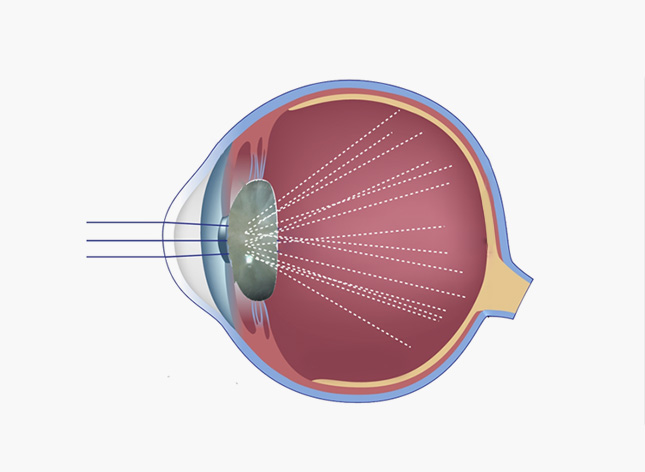
Ophthalmology equipment is sophisticated, and the terminology — OCT imaging, corneal topography, meibomian gland assessment, cup-to-disc ratio, tear break-up time — is genuinely difficult for patients to interpret on their own. Many patients leave clinics unsure whether their result was good or bad, whether they need surgery, or why they were prescribed a certain drop.
At Nunehim Eye Center in Yeongdeungpo, Dr. Baik explains results using the actual images on screen. The OCT scan showing optic nerve or retinal status is reviewed together with the patient. The corneal topography map is used to explain whether LASEK is a safe option. The meibomian gland image is shown to help patients understand the root cause of their chronic dry eye. Patients leave knowing not just what the treatment is, but why — and that understanding converts anxiety into confidence, which shows up in reviews.
Q. Why is it notable that Dr. Baik personally conducts consultations?
In larger clinics, patients sometimes receive their diagnosis from a nurse or technician, with the doctor visible only briefly. Nunehim Eye Center reviews from patients in Guro, Gasan, and Gwanak frequently highlight that Dr. Daniel Baik — the board-certified ophthalmologist — personally reviews test results and leads the consultation discussion. This matters most in complex decisions.
- Vision correction surgery — the same refractive error does not lead to the same recommended surgery in every patient. Corneal thickness, dry eye severity, lifestyle (night driving, screen hours), and light sensitivity all affect whether TransPRK/2-Day LASEK or OK lens is the safer choice — or whether surgery should be deferred entirely.
- Cataract surgery — monofocal, toric, multifocal, and extended-depth-of-focus IOLs each have different indications, trade-offs, and suitability criteria. Not every lens suits every patient, and the surgeon’s direct input is essential.
- OK lens for children — the child’s corneal curvature, myopia progression rate, ability to manage lens hygiene, and the family’s commitment to follow-up all factor into the decision. This is a conversation, not a prescription.
Q. What does “no pressure to over-treat” really mean in eye clinic reviews?
Among the most trust-building phrases in Nunehim Eye Center’s Guro reviews are ones like “they didn’t push me into surgery,” “they explained what I didn’t need as well as what I did,” and “they gave me all the options.” These comments reflect a clinical approach that distinguishes between what is possible and what is advisable.
In ophthalmology, the line between treatment and over-treatment matters enormously. A patient with borderline corneal thickness and moderate dry eye might technically be a candidate for refractive surgery — but the safe recommendation is to treat the dry eye first and reassess. A patient with early cataracts might not yet need surgery — monitoring with specific guidance is the right answer. A child’s myopia might be well-managed with glasses, with OK lens reserved for faster progressors. At Nunehim Eye Center, serving Yeongdeungpo, Guro, and Gasan, balanced honesty is considered part of the medical obligation, not a commercial compromise.
Q. What makes the examination process at Nunehim Eye Center feel “systematic”?
Vision Correction Consultation
Corneal thickness · corneal topography · refraction · dry eye assessment · retinal screening · IOP · pupil size · astigmatism axis
OK Lens / Myopia Control
Corneal curvature · topography · refractive status · myopia progression rate · lens fit after trial · follow-up schedule
Cataract / Glaucoma / Retina
Slit-lamp · fundus photography · OCT · IOP · visual field (glaucoma) · biometry (cataract) · retinal OCT (macular/vitreous)
What makes examinations feel systematic to patients is not the quantity of equipment — it is when the doctor connects the dots: explaining why each test was ordered, what the result means, and how it leads to the treatment decision. Patients from Guro Digital Complex, Gasan, and Yeongdeungpo who experience this structured approach comment that it felt organised and trustworthy rather than perfunctory.
Q. Why do parents in Guro and Gasan trust Nunehim Eye Center for their children’s eye care?
Children rarely volunteer that their vision is impaired. A child who cannot read the school blackboard may squint rather than complain. A child with amblyopia in one eye may simply adapt. A child with allergic conjunctivitis may keep rubbing their eyes without knowing why. Parents in Yeongdeungpo, Guro, and surrounding areas who bring their children to Nunehim Eye Center consistently note in reviews that both the examination and the explanation were handled with patience — the child was not rushed, and the parent left understanding what the findings meant and what to watch for next.
For OK lens (orthokeratology) management in particular, Nunehim Eye Center’s approach goes beyond the initial fitting. Myopia progression is tracked visit by visit. Corneal health is monitored. Lens hygiene is reviewed with both child and parent. The family from Gwanak or Gasan who comes back every few months does not feel like a repeat transaction — they feel like their child’s myopia is being actively managed. That continuity is what drives the “great with children” reviews.

Q. Why does post-surgery follow-up generate some of the strongest reviews?
After LASEK or cataract surgery, patients enter a phase filled with questions they did not anticipate: Is it normal that my vision is still blurry on day 3? Why is one eye drier than the other? Am I using the drops correctly? When can I exercise, drive, wear makeup? The clinics that answer these questions clearly and promptly — through scheduled follow-up visits and accessible communication — earn the reviews that mention post-operative care specifically.
At Nunehim Eye Center in Yeongdeungpo, post-surgical monitoring is structured: the day after surgery, then at one week, one month, and three months. Each visit checks corneal recovery, dry eye status, visual acuity stability, and addresses whatever concerns the patient has raised. Patients from Guro, Gasan, and Gwanak who go through this process describe not just the surgery result, but the entire experience of recovery being supported — and that feeling is what generates detailed, narrative reviews rather than brief star ratings.
Dr. Daniel Baik on patient reviews
“Good reviews are not made by the clinic — they are earned by the patient’s experience. I read every review left by patients from Guro, Gasan, Yeongdeungpo, and Gwanak, and what strikes me most is that the words people use — thorough, clear, honest — are not descriptions of any particular procedure. They are descriptions of how they were treated as a person throughout the entire visit. That is the standard I hold my team to: not just accurate diagnosis, but a consultation where the patient leaves knowing what is happening in their own eyes and why.”
— Dr. Daniel Baik, Board-Certified Ophthalmologist, Nunehim Eye Center, Yeongdeungpo-gu, Seoul
❓ Frequently Asked Questions — Nunehim Eye Center Reviews & Guro Eye Clinic
Q. Does Nunehim Eye Center offer English consultations?
Yes. Dr. Daniel Baik conducts consultations in both Korean and English. Expat patients and international residents in Yeongdeungpo, Guro, Gasan, Gwanak, Dongjak, and Yeouido are welcome. Nunehim Eye Center is one of the few eye clinics near Guro Digital Complex where the ophthalmologist explains diagnoses and treatment plans directly in English.
Q. What procedures does Nunehim Eye Center offer?
Services include: TransPRK / 2-Day LASEK vision correction (note: SMILE LASIK is not offered), OK lens (orthokeratology) for myopia control in children and adults, cataract consultation and IOL planning, glaucoma screening and management, retinal examination, pediatric eye care (amblyopia, strabismus, myopia progression), dry eye treatment, and general comprehensive eye exams. Visit nunehim.com for full details.
Q. Where is Nunehim Eye Center located?
Nunehim Eye Center is located in Yeongdeungpo-gu, Seoul, conveniently accessible from Guro Digital Complex station, Gasan Digital Complex, Geumcheon-gu, Siheung, Gwangmyeong, Daelim, Sinpung, and Yeouido. It is particularly convenient for IT professionals working in the Guro and Gasan digital complexes, who frequently visit for dry eye, screen-related eye strain, and vision correction consultations.
Q. Does Nunehim Eye Center accept Korean National Health Insurance?
Yes. Medical consultations, examinations for conditions such as glaucoma, cataracts, retinal disease, dry eye, and amblyopia are covered under NHIS where applicable. Elective procedures such as refractive surgery are not covered. For private-pay or international patients, please contact the clinic directly for fee information.
Q. Is Nunehim Eye Center good for children’s eye care in Guro?
Yes. Paediatric eye conditions including amblyopia, strabismus, high myopia, OK lens fitting, school vision screening re-examinations, and allergic conjunctivitis are all evaluated at Nunehim Eye Center. Parents from Guro, Gasan, Yeongdeungpo, and Gwanak regularly bring their children to the clinic for myopia management, and follow-up is structured to track progression over time.
Q. What should I look for in a good eye clinic review?
Beyond star ratings, the most informative reviews mention: whether the doctor explained results clearly, whether the examination felt thorough rather than rushed, whether treatment options were presented honestly (including the option to wait), whether follow-up care was well-organised, and whether staff were helpful throughout. These qualitative signals — consistently present in Nunehim Eye Center’s Guro reviews — are better predictors of a good clinic experience than ratings alone.
Q. How do I book an appointment at Nunehim Eye Center?
Visit nunehim.com or contact the clinic by phone. Consultations in both Korean and English are available. The clinic serves patients from Yeongdeungpo, Guro, Gasan, Gwanak, Dongjak, Geumcheon, and Yeouido. Same-day and next-day appointments are often available for urgent concerns.
Summary: What Nunehim Eye Center Reviews Actually Mean
| Review phrase | What it reflects |
|---|---|

Book a Consultation at Nunehim Eye Center — Guro, Seoul
Korean & English consultations · Yeongdeungpo · Guro · Gasan · Gwanak · Dongjak · Yeouido


Leave a comment