OK Lens vs Atropine:
Best Myopia Control for Children in Seoul
— Nunehim Eye Center · Yeongdeungpo-gu, Seoul —
Q. OK Lens vs Atropine — which is better for myopia control?
Both options effectively slow myopia progression, but they work differently. OK lens (orthokeratology) reshapes the cornea overnight for daytime clear vision without glasses, while low-dose atropine eye drops dilate the pupil slightly to reduce eye elongation. At Nunehim Eye Center in Yeongdeungpo, Seoul, Dr. Daniel Baik evaluates each child individually to recommend the optimal strategy based on degree of myopia, age, lifestyle, and parental preference.
Q. What is Childhood Myopia and Why Does It Progress So Fast?
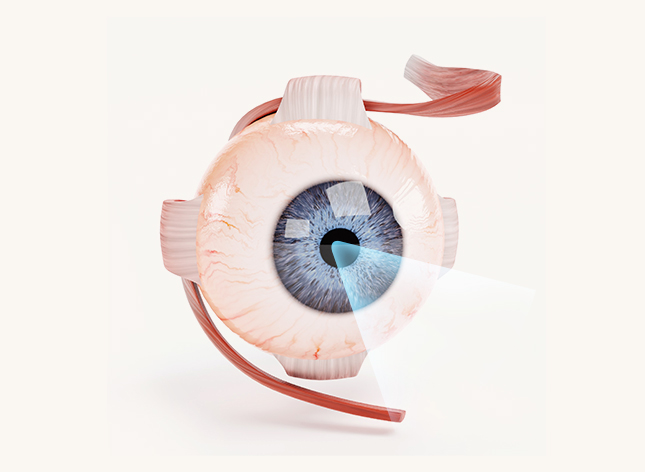
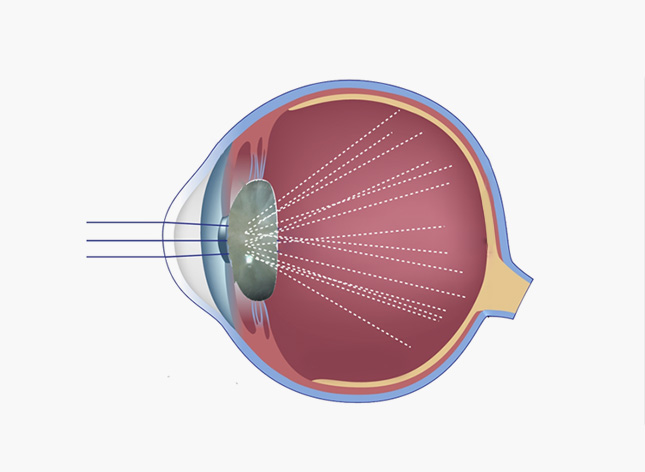
Myopia (nearsightedness) occurs when the eyeball grows too long, causing distant objects to appear blurry. In children, the eye is still growing, which means myopia can worsen rapidly year over year — sometimes 0.50–1.00 diopters per year. Children in Seoul and across East Asia face particularly high myopia rates: studies show that over 80% of Korean high school students are myopic, and the onset is getting younger. Early intervention is critical to slow progression and reduce the lifetime risk of retinal detachment, glaucoma, and macular degeneration associated with high myopia.
📊 Myopia in Seoul: The Numbers
▸ 80%+ of Korean high school students are myopic
▸ Average onset age is now 8–9 years in Seoul urban areas
▸ High myopia (>6.00D) increases risk of retinal disease by 40x
▸ Effective myopia control can reduce progression by 30–60%
Q. How Do OK Lens and Atropine Compare?
🌙 OK Lens (Orthokeratology)
- How: Rigid lens worn overnight reshapes cornea
- Effect: Clear daytime vision + myopia slowed
- Best for: Age 8–17, active children, sports
- Reduction: ~45–55% slower progression
- Reversible: Yes — cornea returns to baseline if stopped
- Visits: Every 3–6 months for fitting check
💧 Low-Dose Atropine Drops
- How: 0.01–0.05% atropine drops at bedtime
- Effect: Reduces axial elongation of eyeball
- Best for: All ages, including very young children
- Reduction: ~30–50% slower progression
- Reversible: Gradual tapering recommended
- Visits: Every 4–6 months monitoring
Q. Is OK Lens (Orthokeratology) Right for My Child?
OK lens is an excellent choice for children aged 8 and above in Guro, Gasan, and Yeongdeungpo who want clear vision during the day without glasses or contact lenses. The lens is worn only at night — while sleeping — and gently flattens the central cornea. By morning, vision is clear for 12–16 hours.
At Nunehim Eye Center, Dr. Daniel Baik uses topographic corneal mapping to precisely fit each child’s OK lens. Proper fit is essential for safety and efficacy. Children must wash hands carefully and follow hygiene protocols to prevent infection.
Q. How Does Low-Dose Atropine Work?
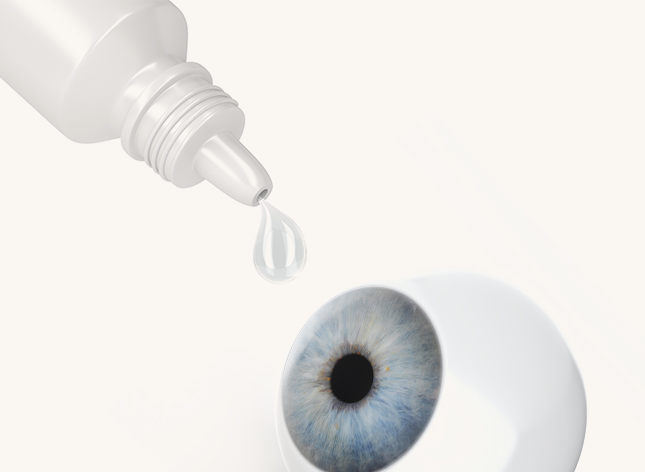
Low-dose atropine (0.01% or 0.05%) is the most studied pharmacological intervention for myopia control. Unlike the older 1% concentration used to dilate pupils for eye exams, low-dose atropine causes minimal side effects — very little light sensitivity or near blur — while still slowing the eye’s axial growth.
Applied as one drop per eye each evening, atropine can be used alone or combined with OK lens for maximum effect in rapidly progressing cases. This combination therapy is sometimes offered at Nunehim Eye Center for children in Seoul with fast-worsening myopia.
Q. When Should You Start Myopia Control for Your Child?
Early intervention produces the best outcomes. Consider visiting Nunehim Eye Center in Yeongdeungpo if your child shows any of these signs:
- Myopia of -0.50D or more detected before age 12
- Prescription worsening by -0.75D or more per year
- A family history of high myopia (>-6.00D)
- Squinting at the board, sitting closer to the TV
- Spending less than 1–2 hours outdoors per day
Q. What Are the Stages of Myopia in Children?
🟡 Mild (-0.5 to -3.0D)
Outdoor activity, screen time reduction, plus OK lens or atropine for rapidly progressing cases.
🟠 Moderate (-3.0 to -6.0D)
Active intervention essential. OK lens preferred for teens. Combination therapy (OK lens + atropine) for fast progressors.
🔴 High (>-6.0D)
High risk of retinal complications. Long-term monitoring critical. Annual dilated fundus exam required.
👨⚕️ From Dr. Daniel Baik, Nunehim Eye Center
“I often see children in Guro and Gasan come in with -4.00D or -5.00D by middle school. This is largely preventable with early OK lens therapy. The key is to start before the eye grows too much — ideally before age 10. We see great results combining OK lens with low-dose atropine for the fastest progressors.”
— Dr. Daniel Baik, Board-Certified Ophthalmologist | Nunehim Eye Center, Yeongdeungpo, Seoul
❓ Frequently Asked Questions: Myopia Control for Children in Seoul
Q. At what age can my child start OK lens?
Most children can begin OK lens therapy from age 8 onwards. The key requirement is that the child can handle lens hygiene responsibly. At Nunehim Eye Center we assess readiness at the initial consultation.
Q. Are OK lenses safe for children?
Yes, when worn correctly and with proper hygiene. The main risk is microbial keratitis from poor lens handling. At our Yeongdeungpo clinic, parents receive thorough training on cleaning and disinfection protocols.
Q. Is atropine safe long-term?
Low-dose atropine (0.01–0.05%) has been used for over 10 years in clinical trials with an excellent safety record. The ATOM2 and LAMP studies confirm minimal side effects at these concentrations. Regular eye exams monitor for any changes.
Q. Can we use OK lens and atropine together?
Yes. Combination therapy is increasingly popular for children with very fast-progressing myopia. Studies show synergistic effects — the combination may reduce progression by up to 60–70% compared to 40–50% with either therapy alone.
Q. Do you offer English-language pediatric consultations?
Yes. Dr. Daniel Baik at Nunehim Eye Center in Guro/Yeongdeungpo conducts consultations in both Korean and English. International families living in Seoul are welcome to book via nunehim.com.
Q. How often does my child need check-ups?
Every 3–6 months in the first year, then every 6 months once stable. At each visit we measure axial length and refraction to track whether treatment is working. Children in Gasan and Dongjak can be seen quickly with same-week appointments.
Q. How much does myopia control cost in Seoul?
OK lens fitting + lenses typically range ₩300,000–₩500,000 in Seoul, with replacements every 1–2 years. Atropine drops cost approximately ₩20,000–₩50,000 per month. Both are more affordable in Guro and Yeongdeungpo than in Gangnam-area clinics.

Protect Your Child’s Vision — Book a Consultation Today
Nunehim Eye Center · Yeongdeungpo-gu, Seoul | Serving Guro · Gasan · Gwanak · Dongjak


Leave a comment