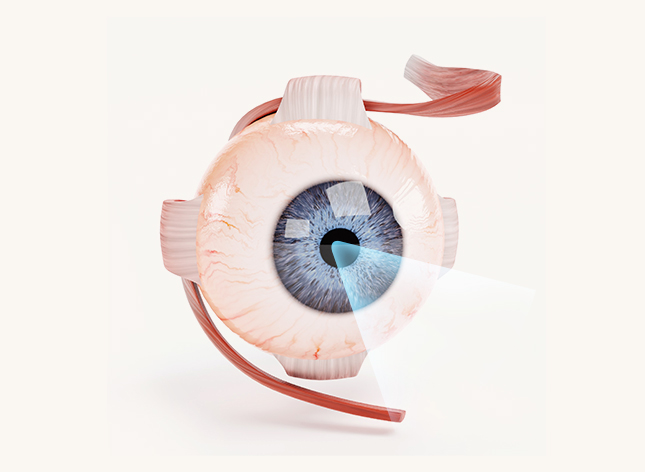
Contact Lens Care: The Complete Guide for Daily Wear in Seoul
Everything Seoul residents need to know about wearing contact lenses safely — from daily hygiene to when to see Dr. Daniel Baik at Nunehim Eye Center, Guro.
Q. What Is the Most Important Rule for Contact Lens Safety?
Never sleep in your contact lenses. Sleeping in lenses — even “extended wear” types — dramatically increases your risk of corneal infection (keratitis). Each hour of overnight wear reduces corneal oxygen by up to 20%. Always remove lenses before bed, rinse with multipurpose solution, and store in a clean case. Replace the case every 1–3 months.
Q. How Long Can You Safely Wear Contact Lenses Per Day?
Most ophthalmologists recommend a maximum of 10–12 hours of daily contact lens wear. Corneas get approximately 80% of their oxygen directly from the air — not from blood vessels. Prolonged lens wear restricts this oxygen supply, leading to neovascularisation (abnormal blood vessel growth), discomfort, and increased infection risk.
In Korea’s fine-dust environment (미세먼지), it’s wise to reduce wear time on high-dust days and always keep a pair of glasses handy. At Nunehim Eye Center in Guro, Seoul, Dr. Daniel Baik regularly sees patients who have developed corneal complications from over-wearing lenses — many of whom were unaware they were causing damage.
Contact Lens Use in Korea: Key Statistics
- ▸ Korea has one of the highest soft contact lens wearing rates in Asia — over 12 million wearers
- ▸ 70% of Korean contact lens wearers sleep in lenses at least occasionally (Korean Ophthalmological Society)
- ▸ Contact lens-related corneal infections account for 1 in 5 urgent ophthalmic consultations in Seoul
- ▸ Monthly lenses are the most commonly used type, yet daily disposables carry the lowest infection risk
Q. Which Type of Contact Lens Is Safest for Daily Use?
There are four main categories to consider:
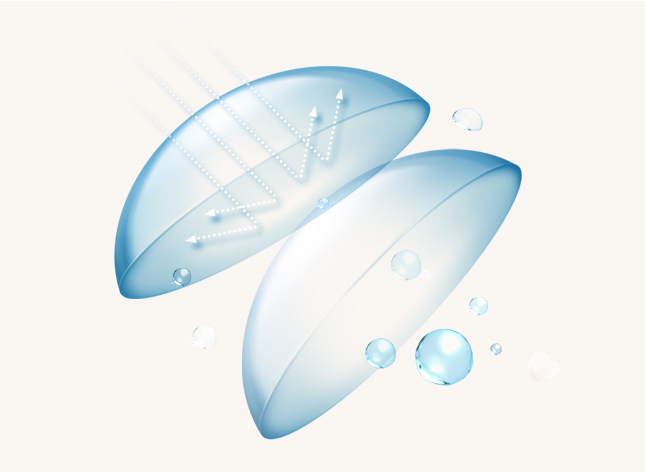
Daily disposables — single-use lenses that eliminate the need for solutions and cases. Highest convenience, lowest infection risk. Ideal for occasional wearers and allergy sufferers.
Monthly/bi-weekly lenses — require daily cleaning and proper case hygiene. More economical but demand strict adherence to the replacement schedule.
Coloured/cosmetic lenses — popular in Korea but frequently unregulated. Poorly-fitted cosmetic lenses restrict oxygen and increase microbial adhesion risk. Always obtain them from a licensed optician or ophthalmologist.
Rigid gas-permeable (RGP) lenses — including OK lenses (orthokeratology) — allow excellent oxygen transmission but require professional fitting. Nunehim Eye Center specialises in Paragon CRT OK lens fitting for both children and adults in Guro, Seoul.
Q. How Should You Clean and Store Contact Lenses Properly?
The correct 3-step routine is: Rub, Rinse, Soak. Despite “no-rub” labels on some solutions, manual rubbing for 5–10 seconds removes up to 90% more pathogens than rinsing alone.
Never use tap water, distilled water, or saliva to rinse lenses or cases — all harbour Acanthamoeba, which causes one of the most severe corneal infections. Use fresh multipurpose or hydrogen-peroxide solution each time. In Guro and the broader Seoul area, where tap water quality varies, this is especially important.
⚠️ Remove Your Lenses Immediately If You Notice Any of These
- Sudden pain, burning, or significant discomfort that does not resolve when you blink
- Redness that worsens during the day
- Blurred or hazy vision that does not improve
- Extreme light sensitivity (photophobia)
- A white or grey spot on the cornea (visible with a mirror)
Any of these symptoms — especially in combination — may indicate corneal ulceration, which requires urgent review within 24 hours. Contact Nunehim Eye Center in Guro, Seoul on 02-2039-9322 or visit your nearest emergency eye service.
Q. What Is the Step-by-Step Contact Lens Care Routine?
① Before Insertion
Wash hands with soap for 20 seconds. Dry thoroughly with a lint-free towel. Inspect lenses for tears, deposits, or discolouration. Fill lens case with fresh solution — never top up old solution.
② During Wear
Stay within your wearing schedule (max 10–12 hrs). Use preservative-free rewetting drops if eyes feel dry. Remove before swimming, showering, or napping. On high fine-dust (미세먼지) days in Seoul, consider glasses instead.
③ After Removal
Rub each lens for 5–10 seconds with solution. Rinse with fresh solution. Soak in clean case overnight. Let case air-dry face-down on a clean tissue each morning. Replace case every 1–3 months.
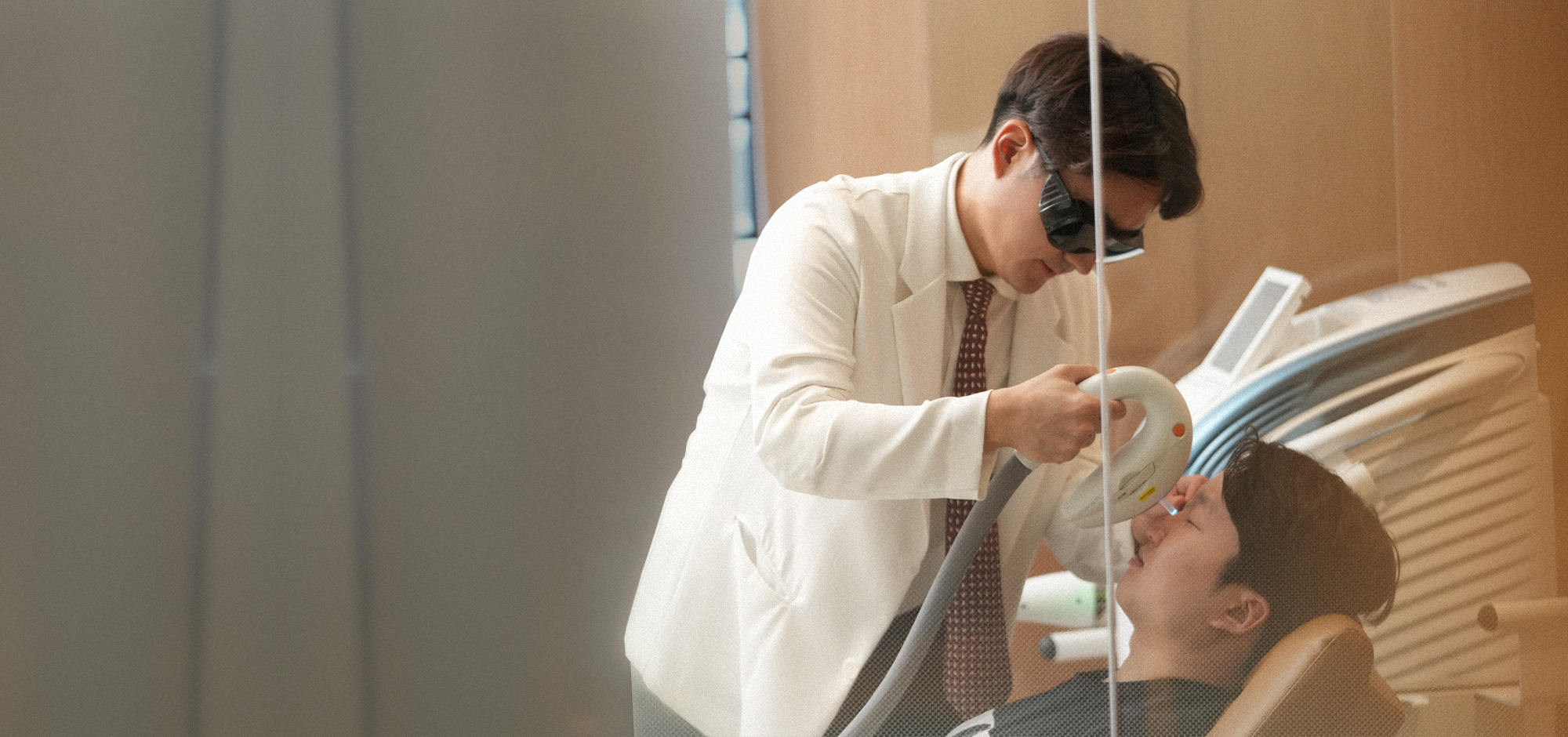
“In my practice at Nunehim Eye Center in Guro, Seoul, the most common cause of contact lens complications I see is not the lens itself — it’s the case. Most patients never think to replace their lens case, yet a contaminated case can undo perfect lens hygiene. Replace it every month.”
— Dr. Daniel Baik, Board-Certified Ophthalmologist, Nunehim Eye Center, Guro, Seoul
❓ Contact Lens FAQs
Q. Can I shower or swim in contact lenses?
No. Water — including tap, pool, and sea water — contains micro-organisms that adhere to lenses. Even a brief shower exposure can introduce Acanthamoeba, a parasite that causes severe, painful corneal infection. Always remove lenses before water activities.
Q. How often should contact lens wearers get an eye exam in Seoul?
At least once a year — more frequently if you wear lenses daily. Annual exams at Nunehim Eye Center in Guro check corneal health, lens fit, and prescription accuracy. Early detection of neovascularisation or corneal thinning can prevent permanent damage.
Q. Is it safe to buy coloured contact lenses online in Korea without a prescription?
No. Unregulated cosmetic lenses sold online frequently have the wrong base curve, restricting oxygen and causing micro-tears. Korean health law requires a prescription for all contact lenses. Always purchase from a licensed source and have your fitting verified by an ophthalmologist.
Q. Can I use eye drops while wearing contact lenses?
Only if the drops are specifically labelled “compatible with contact lenses.” Standard lubricating drops often contain preservatives (especially BAK) that accumulate in soft lenses and can cause toxic keratoconjunctivitis. Preservative-free rewetting drops — such as single-use vials — are the safest option.
Q. My eyes are always red after wearing lenses. What does this mean?
Chronic redness during or after lens wear suggests reduced corneal oxygen (hypoxia), allergy to lens material or solution, or a developing infection. Do not ignore persistent redness — visit Dr. Baik at Nunehim Eye Center, Guro, Seoul for a corneal slit-lamp examination.
Q. How do I know when my prescription has changed?
Signs include: increasing difficulty seeing clearly at the end of the wearing day, more frequent lens-induced headaches, or objects appearing sharp without lenses after removing them. Annual refraction at Nunehim Eye Center ensures your prescription is up to date.
Q. Can I switch from monthly lenses to daily disposables?
Absolutely — and for most people in Seoul, daily disposables are the healthier choice. They eliminate solution-related complications and are especially recommended for people with dry eyes, allergies, or who wear lenses fewer than 5 days a week. Ask Dr. Baik at Nunehim Eye Center for a recommendation suited to your lifestyle.
Ready for an Eye Check-Up in Guro, Seoul?
Whether you need a contact lens fitting, a prescription update, or a corneal health check, Dr. Daniel Baik is here. Serving Guro · Yeongdeungpo · Gasan · Gwanak · Dongjak.
📍 Visit Nunehim Eye Center — Guro, Seoul
Convenient access from Yeongdeungpo, Gasan, Gwanak & Dongjak. Near Guro Digital Complex Station (Line 2).
📌 Address
551 Siheung-daero, Guro-gu, Seoul
눈에힘안과 | nunehim.com
🕐 Hours
Mon–Fri: 9:00 AM – 6:30 PM
Sat: 9:00 AM – 2:00 PM
Sun & Holidays: Closed
🌐 Languages
Korean & English consultations available.
Book online at nunehim.com


Leave a comment