Meibomian Gland Dysfunction (MGD): The Hidden Cause of Dry Eye in Seoul
Why blinking matters — and how to fix the root cause of chronic 안구건조증
Dry eye syndrome (안구건조증) affects an estimated 1 in 3 office workers in Seoul. But many cases that don’t respond to regular artificial tears have an underlying cause: Meibomian Gland Dysfunction (MGD). At Nunehim Eye Center in Guro-gu, Seoul, Dr. Daniel Baik diagnoses and treats MGD as part of comprehensive dry eye management.
Q. What are the Meibomian glands — and why do they matter?
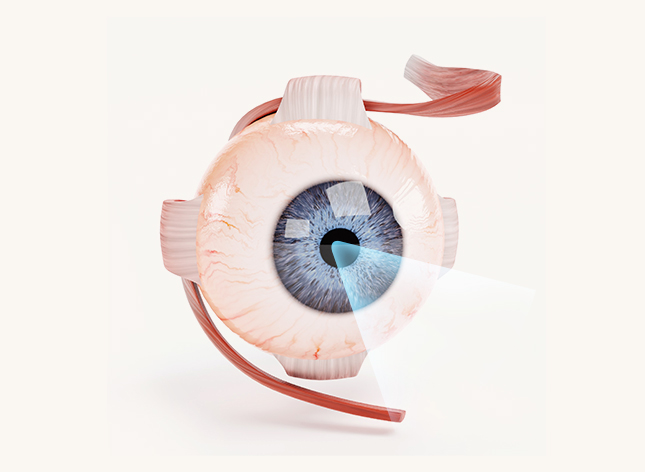
Your eyelids contain 25–40 Meibomian glands per eye. Each time you blink, they secrete oils (meibum) onto the tear surface, preventing tears from evaporating. When these glands become blocked or dysfunctional — a condition called MGD — your tears evaporate too quickly, leaving eyes dry, irritated, and red regardless of how many drops you use.
Who Gets MGD? Seoul Risk Factors
Q. What are the symptoms of MGD?
- Eyes feel dry, gritty, or sandy — especially in the afternoon
- Burning or stinging sensation, worse after screen use
- Red, irritated eyelid margins
- Vision that fluctuates or blurs briefly when staring
- Excessive watery eyes (reflex tearing from dryness) — see our watery eyes guide
- Eye redness that does not improve with artificial tears — see our red eyes guide
Q. How is MGD diagnosed at Nunehim Eye Center?
Dr. Daniel Baik evaluates Meibomian gland function using:
- Slit-lamp examination — inspects lid margin for irregularities, plugging, or lid margin telangiectasia
- Meibomian gland expression — gentle pressure applied to assess meibum quality (clear oily = healthy; cloudy, thick, or absent = MGD)
- Tear breakup time (TBUT) — measures how quickly the tear film breaks apart on the cornea surface
- Fluorescein staining — reveals corneal damage from chronic dry eye
Regular Dry Eye (Aqueous-Deficient)
- Lacrimal gland produces fewer tears
- Often associated with autoimmune conditions
- Responds well to artificial tears & punctal plugs
- Schirmer’s test typically low
MGD (Evaporative Dry Eye)
- Tears evaporate too quickly (oily layer deficient)
- More common (accounts for ~85% of dry eye)
- Artificial tears provide only temporary relief
- Requires gland-targeted treatment
Treatment Options for MGD in Seoul
Q. Can MGD be cured permanently?
MGD is a chronic condition requiring ongoing management. With consistent warm compresses, lid hygiene, and appropriate treatment, most patients in Seoul achieve significant long-term symptom relief. Early intervention is important — gland dropout (permanent loss of gland tissue) is irreversible, so treating MGD before glands are lost preserves long-term comfort. If you have been using artificial tears daily for months without adequate relief, it is time to have your Meibomian glands properly assessed.
Q. How is MGD different from blepharitis?
Blepharitis (eyelid inflammation) and MGD frequently co-exist. Anterior blepharitis affects the lash base area; posterior blepharitis IS essentially MGD. Both involve lid margin inflammation, both are treated with warm compresses and lid hygiene, and both are chronic conditions. Dr. Baik assesses both simultaneously during a dry eye evaluation.
Struggling with Chronic Dry Eyes?
Get a comprehensive MGD & dry eye evaluation with Dr. Daniel Baik at Nunehim Eye Center, Guro-gu, Seoul. English & Korean consultations available.
Book a Dry Eye Consultation →Find Us: Nunehim Eye Center, Guro, Seoul
📍 Guro-gu, Seoul · Near Guro Digital Complex Station (Line 2)
Serving Guro · Yeongdeungpo · Gasan · Gwanak · Dongjak


Leave a comment