Red Eyes: 10 Causes & When to See a Doctor in Seoul
From mild irritation to sight-threatening emergencies — know the difference
Red eyes are one of the most common reasons patients visit Nunehim Eye Center in Guro-gu, Seoul. In most cases redness is harmless, but certain patterns signal conditions that need prompt medical attention. Board-certified ophthalmologist Dr. Daniel Baik sees patients with eye redness daily — here is what every Seoul resident needs to know.
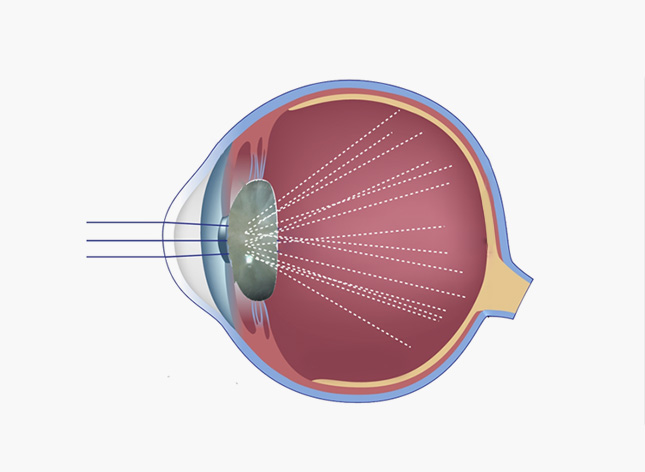
Q. Why do eyes turn red?
The white of the eye (sclera) is covered by a clear membrane called the conjunctiva, which contains tiny blood vessels. When these vessels dilate or break, the eye looks red. The trigger can be anything from a dusty commute on the Seoul subway to a serious infection or elevated eye pressure.
10 Most Common Causes of Red Eyes in Seoul
⚠️ Seek Immediate Care If Red Eyes Are Accompanied By:
- Sudden severe pain or headache behind the eye
- Sudden vision loss or significant blurring
- Halos around lights (possible acute angle-closure glaucoma)
- Chemical splash — flush with water for 20 minutes then come immediately
- Trauma to the eye
These can be sight-threatening emergencies. Nunehim Eye Center in Guro, Seoul sees urgent cases — call ahead or visit directly.
Q. How does Dr. Baik diagnose red eye at Nunehim?
Dr. Daniel Baik uses a slit-lamp biomicroscope to examine the conjunctiva, cornea, anterior chamber, and eyelids in detail. Intraocular pressure is measured when glaucoma is a possibility. For suspected infection, discharge patterns guide diagnosis. Most red eye cases are resolved with the right drops within days.
Quick Comparison: Serious vs. Non-Serious Red Eye
| Feature | Usually Benign | Seek Immediate Care |
|---|---|---|
| Pain level | Mild irritation or itch | Severe aching or stabbing |
| Vision | Normal | Blurred, reduced, or halos |
| Pupil | Normal size & reactive | Fixed, mid-dilated, or irregular |
| Onset | Gradual over hours/days | Sudden within minutes |
| Associated | Itch, watering, discharge | Nausea, vomiting, headache |
Q. Can I treat red eyes at home first?
For mild, non-painful redness with no vision change, artificial tears (preservative-free) and cold compresses are safe first steps. If symptoms persist beyond 48 hours, worsen, or include any of the warning signs above, see a doctor. Avoid rubbing — it worsens allergic and viral conjunctivitis.
Q. Are red eyes in Seoul worse in spring?
Yes. Fine dust (미세먼지) and pollen season — especially March through May in the Guro and Yeongdeungpo areas — dramatically increases allergic conjunctivitis cases. Wearing wraparound sunglasses outdoors and rinsing eyes with saline after commuting can help prevent seasonal flare-ups.
Q. Is red eye in children different?
Bacterial conjunctivitis is more common in children and spreads rapidly in schools. A child with red, sticky eyes should stay home and be assessed promptly. Read our guide to children’s eye health in Seoul for more.
Red Eyes That Won’t Clear Up?
Dr. Daniel Baik at Nunehim Eye Center (Guro-gu, Seoul) offers same-day appointments for eye redness evaluation. Consultations available in English and Korean.
Book a Consultation →Find Us: Nunehim Eye Center, Guro, Seoul
📍 Guro-gu, Seoul · Near Guro Digital Complex Station (Line 2)
Serving Guro · Yeongdeungpo · Gasan · Gwanak · Dongjak


Leave a comment