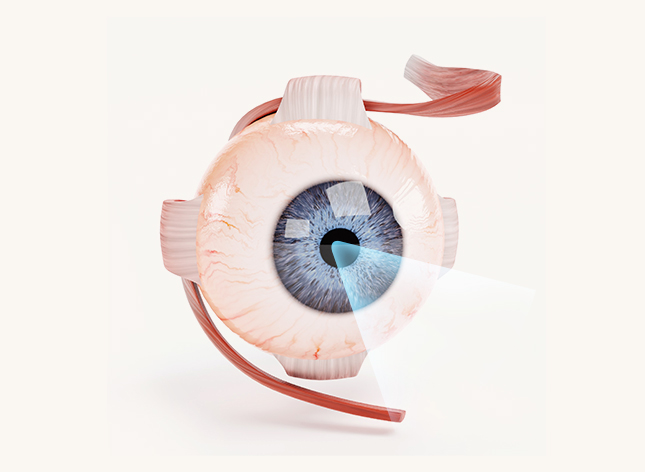
Eye Nutrition: Which Vitamins & Foods Are Best for Eye Health?
Expert guidance from Dr. Daniel Baik, board-certified ophthalmologist — Nunehim Eye Center, Yeongdeungpo-gu, Seoul
Q. What vitamins and foods are best for eye health in Seoul?
The most critical nutrients for eye health are lutein and zeaxanthin (found in leafy greens), omega-3 fatty acids (oily fish), vitamins A, C, E, and zinc. In Seoul — where screen exposure and PM2.5 fine dust pollution are high — maintaining good eye nutrition can significantly slow macular degeneration, reduce dry eyes, and support healthy vision long-term. Residents of Yeongdeungpo, Guro, Gasan, and Gwanak stand to benefit greatly from a nutrition-first approach to eye care.
Q. What is eye nutrition and why does it matter for Seoul residents?
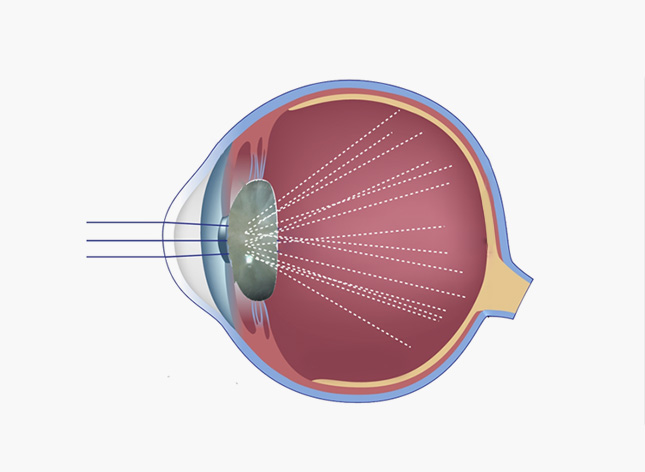
Eye nutrition refers to the specific vitamins, minerals, and antioxidants your eyes need to stay healthy and functional. Seoul residents face particular challenges: prolonged digital screen use across Yeongdeungpo and Guro tech corridors, seasonal fine dust (PM2.5) affecting Gasan and Gwanak, and high UV exposure year-round. These environmental stressors accelerate oxidative damage to delicate eye structures including the retina, lens, and cornea — making a nutrient-rich diet more important than ever for long-term vision health.
Q. Which specific vitamins and nutrients protect eye health most effectively?
- Lutein & Zeaxanthin: Filter blue light and protect the macula; found in spinach, kale, and egg yolk
- Vitamin A (Beta-carotene): Essential for night vision and corneal health; rich in carrots, sweet potato, and liver
- Vitamin C: Protects lens cells from oxidative damage; found in bell peppers, citrus, and kiwi
- Vitamin E: Prevents free-radical damage to photoreceptors; in almonds, sunflower seeds, and olive oil
- Omega-3 (DHA/EPA): Supports tear film and retinal function; abundant in mackerel, sardines, and salmon
- Zinc: Transports vitamin A to the retina and supports night vision; found in oysters, beef, and pumpkin seeds
📊 Eye Health in Korea: Key Statistics
▸ Up to 96% of young adults in Seoul have myopia — one of the world’s highest rates
▸ Korean adults average 9+ hours of screen time per day, significantly increasing oxidative eye strain
▸ AMD (age-related macular degeneration) cases in Korea rose 30% over the past decade
▸ Traditional Korean staples like miyeok (seaweed) and gim naturally provide eye-protective antioxidants
Q. What are the best eye-healthy foods available in Seoul?
Seoul’s diverse food scene makes eye-healthy eating accessible across Yeongdeungpo, Guro, Gasan, and Gwanak. Look for: spinach (시금치) and kale (케일) for lutein; mackerel (고등어) and sardines for omega-3s; carrots and sweet potato for vitamin A; and citrus or kiwi for vitamin C. Traditional Korean miyeok (미역 seaweed) is uniquely rich in iodine and antioxidants beneficial to the eye.
Blueberries (블루베리) — widely available at Guro and Gasan markets — contain anthocyanins that support retinal circulation. Eggs, particularly their yolks, offer the most bioavailable form of lutein and zeaxanthin. The classic Korean meal of rice with dried fish, seaweed soup, and fermented vegetables provides a surprisingly strong nutritional foundation for eye health.
Q. Are eye vitamin supplements worth taking for Seoul office workers?
For IT professionals in Gasan Digital Complex, office workers in Guro and Yeongdeungpo, or students in Gwanak who spend 8+ hours daily at screens, targeted supplementation can be very beneficial. If your diet does not consistently include oily fish (2-3x/week) and leafy greens (daily), a quality eye supplement covering lutein (10mg), zeaxanthin (2mg), vitamins C and E, zinc, and omega-3s is a reasonable and well-evidenced addition.
The AREDS2 formula — the gold standard studied by the US National Eye Institute — reduces AMD progression by approximately 25% in high-risk patients. Dr. Daniel Baik, board-certified ophthalmologist at Nunehim Eye Center in Yeongdeungpo-gu, can assess your individual risk profile and recommend the right supplementation strategy during your consultation.
Q. What eye symptoms should prompt an urgent ophthalmologist visit?
- Sudden loss of central vision or a dark spot in the visual field
- Difficulty seeing at night even after adequate vitamin A intake
- Distortion of straight lines — a classic warning sign of macular degeneration
- Rapid increase in floaters or flashes of light in your visual field
- Persistent eye pain, redness, or sensitivity to light lasting more than 48 hours
- Any vision changes if you have diabetes — diabetic retinopathy can progress rapidly
🥬 Lutein & Zeaxanthin
Target: 10mg lutein + 2mg zeaxanthin per day. Reduces AMD risk by up to 40%. Best sources: spinach, kale, corn, egg yolk. Filter harmful blue light at the macula.
🐟 Omega-3 DHA/EPA
Reduces dry eye symptoms by 20–30%. Supports retinal development and tear film stability. Best sources: mackerel, sardines, salmon. Widely available at Seoul fish markets.
🥕 Vitamins A, C & E
Powerful antioxidant trio. Vitamin A prevents night blindness. C protects lens cells. E prevents retinal oxidative damage. Found in colourful vegetables, citrus, and nuts.
From Dr. Daniel Baik — Board-Certified Ophthalmologist, Nunehim Eye Center
“Throughout my practice in Yeongdeungpo-gu, serving patients from Guro, Gasan, Gwanak, and across Seoul, I’ve seen firsthand how dietary choices shape long-term eye health outcomes. Patients who consistently eat lutein-rich greens and omega-3-containing fish show measurably better retinal health markers and significantly less dry eye disease. At Nunehim Eye Center, nutrition counselling is an integral part of every comprehensive eye exam — because protecting your vision starts at the dinner table.”
❓ Frequently Asked Questions — Eye Nutrition in Seoul
Q. Can improving my diet reverse myopia?
No — myopia is a structural refractive error that cannot be reversed through diet alone. However, proper nutrition — particularly adequate vitamin D and omega-3s — may help slow myopia progression in children and teenagers. At Nunehim Eye Center, we offer OK lens (orthokeratology) and careful monitoring for myopia management in young patients across Yeongdeungpo and Guro.
Q. Are Korean foods particularly beneficial for eye health?
Yes — the traditional Korean diet is genuinely eye-protective. Miyeok (seaweed), gim (dried laver), mackerel (고등어), kimchi (fermented antioxidants), and a variety of leafy vegetables all provide critical eye nutrients. Korean cuisine naturally delivers many of the compounds ophthalmologists recommend for preventing age-related eye diseases.
Q. How much screen time is too much for Seoul office workers?
There is no fixed dangerous threshold, but sustained screen use without breaks increases eye strain and may contribute to myopia progression in children. The 20-20-20 rule is essential for workers in Guro and Gasan Digital Complex: every 20 minutes, look at something 20 feet away for at least 20 seconds, and blink deliberately to refresh the tear film.
Q. Do I still need supplements if I eat a balanced Korean diet?
If you eat oily fish 2-3 times a week, leafy greens daily, and a wide variety of colourful vegetables, your dietary intake is likely adequate. However, people over 50, those with early AMD findings on examination, or patients with limited dietary variety may benefit from AREDS2-formula supplementation. Dr. Daniel Baik can advise you during your consultation in Yeongdeungpo-gu.
Q. Does Seoul air pollution affect my eyes and nutrition needs?
Yes — PM2.5 fine dust, a persistent issue across Guro, Gwanak, Gasan, and Yeongdeungpo, causes oxidative stress on the ocular surface and worsens dry eye disease. This makes antioxidants like vitamins C and E particularly important for Seoul residents during high-pollution seasons (spring and winter).
Q. At what age should I start paying attention to eye nutrition?
Eye nutrition matters at every life stage. Children need vitamin A and omega-3s for normal visual development. Adults need lutein and zeaxanthin for blue light protection. After 40, antioxidants become crucial for preventing AMD and cataracts. It is never too early — or too late — to optimise your approach to eye nutrition.
Q. Does Nunehim Eye Center offer English consultations on eye nutrition?
Yes — Dr. Daniel Baik provides comprehensive consultations in both Korean and English at Nunehim Eye Center in Yeongdeungpo-gu. Expat patients and English-speaking residents from Guro, Gasan, Gwanak, and across Seoul are welcome. Visit nunehim.com to learn more or book an appointment.

Book an Eye Nutrition Consultation at Nunehim Eye Center
Serving Yeongdeungpo · Guro · Gasan · Gwanak | Korean & English | nunehim.com
📍 Visit Nunehim Eye Center — Yeongdeungpo-gu, Seoul
Convenient access from Yeongdeungpo, Guro, Gasan & Gwanak. Korean and English consultations available with Dr. Daniel Baik, board-certified ophthalmologist.
📌 Address
Yeongdeungpo-gu, Seoul
nunehim.com
🕐 Hours
Mon–Fri: 9:00–18:00
Sat: 9:00–13:00
🌐 Languages
Korean & English consultations


Leave a comment