Pterygium (Surfer’s Eye): Causes, Prevention & Surgery in Seoul
Expert evaluation and treatment by Dr. Daniel Baik, board-certified ophthalmologist — Nunehim Eye Center, Yeongdeungpo-gu, Seoul
Q. What is pterygium and how is it treated in Seoul?
Pterygium — commonly called “surfer’s eye” — is a benign but progressive growth of pink, fleshy tissue on the white of the eye (conjunctiva) that can extend onto the cornea. In Seoul, it is caused primarily by UV exposure, dry air, dust, and wind. Treatment ranges from lubricating drops for mild cases to surgical removal when the pterygium threatens vision or causes significant discomfort. Residents of Yeongdeungpo, Guro, Gasan, and Gwanak can receive expert evaluation at Nunehim Eye Center.
Q. What exactly is pterygium and what does it look like?
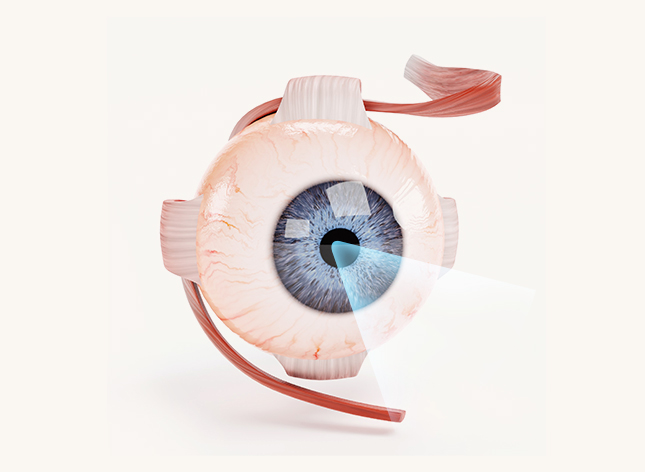
Pterygium (프테리지움 or 군날개) is a wedge-shaped, vascularised fibrous growth that originates from the conjunctiva — the clear membrane covering the white of the eye — and progressively invades the cornea. It typically appears on the nasal (inner) side of the eye and may look like a pink or reddish triangular film creeping across the eye. While benign, pterygium can cause chronic irritation, redness, blurred vision, and — if left untreated — significant astigmatism by distorting the corneal surface. In advanced cases, it may obstruct the pupil and impair central vision.
Q. What causes pterygium and who is most at risk in Korea?
- Ultraviolet (UV) radiation: The primary cause — UV-B exposure triggers abnormal conjunctival cell proliferation
- Chronic dry eye: Insufficient tear film and low humidity accelerate pterygium development
- Wind and dust exposure: A major factor in outdoor workers and cyclists in Seoul’s urban environment
- Air pollution: PM2.5 fine dust — common across Guro, Gasan, and Yeongdeungpo — is an emerging pterygium risk factor
- Age: Most common between ages 20–40; rare in children
- Geographic latitude: Higher UV index in Korea during spring and summer increases risk
📊 Pterygium in Korea: Key Statistics
▸ Pterygium prevalence in Korea ranges from 1.4% to 4.8% in population studies, with higher rates in outdoor workers
▸ The condition is 2–3× more common in men than women, linked to greater outdoor UV exposure
▸ Recurrence rates after simple excision alone are 30–80%; modern techniques (conjunctival autograft) reduce this to under 5%
▸ Seoul’s seasonal UV index peaks in May–August — the highest-risk months for UV-related eye conditions across Yeongdeungpo, Guro, and Gwanak
Q. What are the symptoms of pterygium?
Early pterygium is often asymptomatic — discovered incidentally during a routine eye exam. As it grows, symptoms typically include: persistent redness or pinkness of the affected eye, a feeling of foreign body or gritty sensation, chronic dryness and irritation, and increased sensitivity to wind, dust, and air conditioning — particularly common in Seoul’s Guro and Gasan office environments.
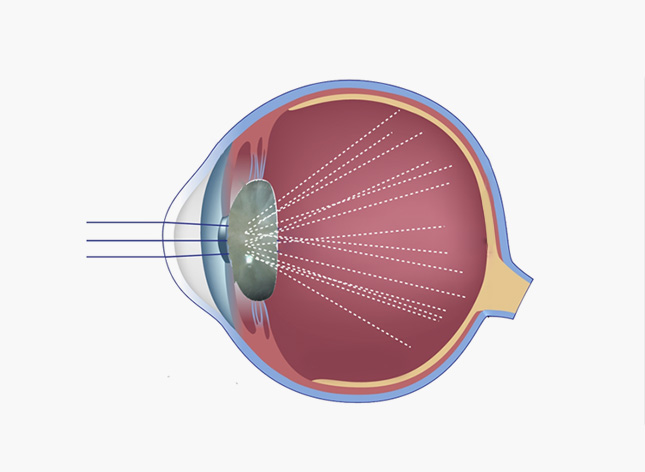
In moderate to advanced cases, patients in Yeongdeungpo, Gwanak, and surrounding areas may notice blurred vision, especially for fine print or distant objects. This occurs because the pterygium distorts the corneal curvature, inducing irregular astigmatism. In severe cases, the growth can cover the pupil and cause significant visual obstruction requiring prompt surgical intervention.
Q. How is pterygium treated — medically and surgically?
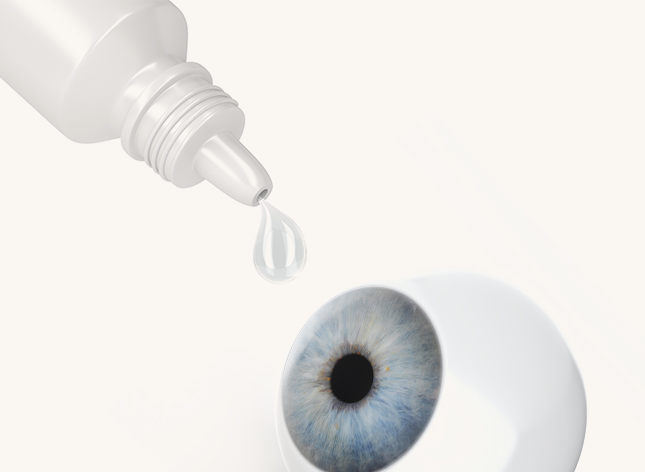
Treatment depends on severity. For mild, early pterygium: lubricating eye drops and artificial tears to relieve dryness, UV-blocking sunglasses, and regular monitoring every 6–12 months. Anti-inflammatory eye drops may be prescribed during flare-ups when redness and irritation worsen.
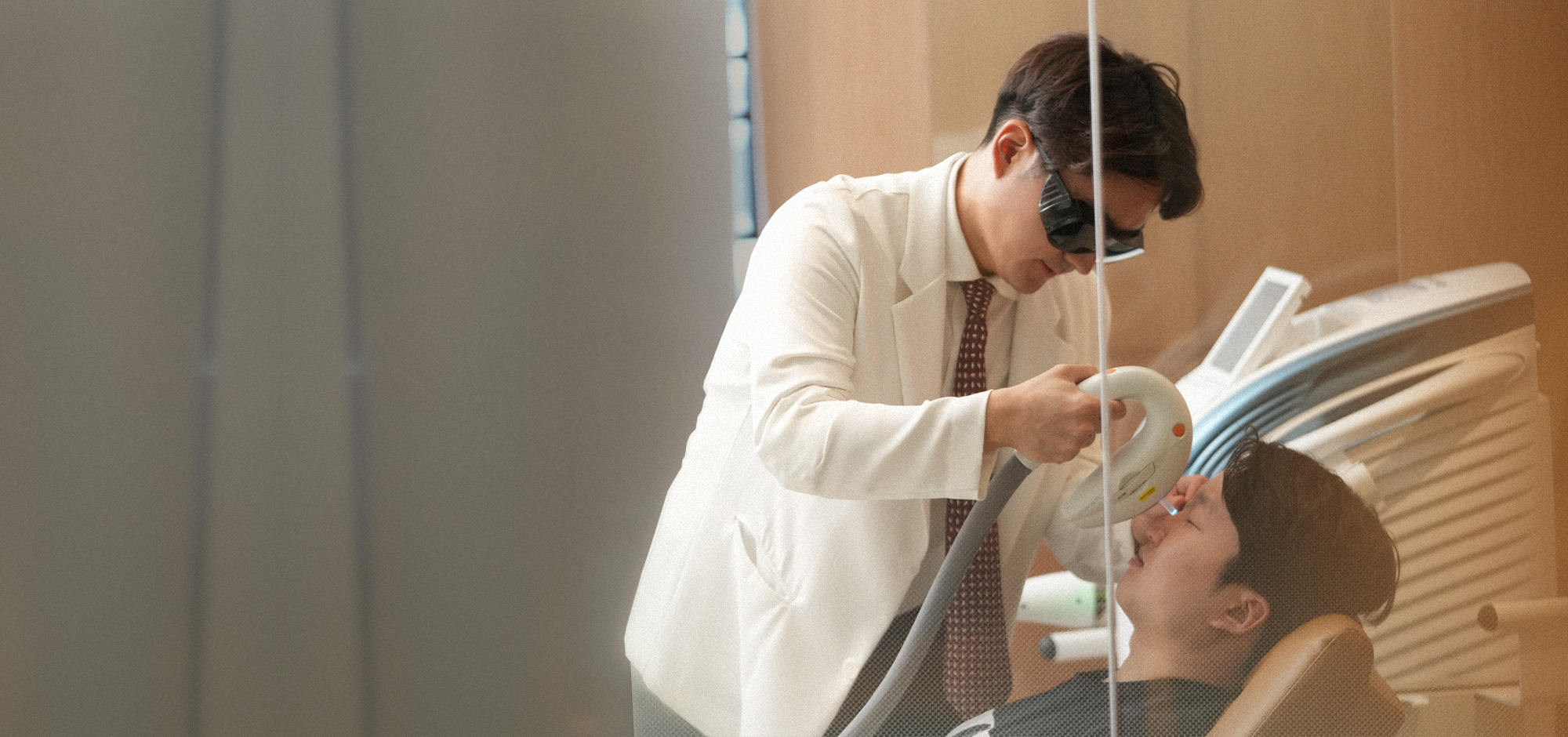
Surgical removal (pterygium excision) is recommended when: the pterygium threatens the visual axis, causes significant astigmatism, becomes cosmetically unacceptable, or produces severe chronic discomfort. At Nunehim Eye Center in Yeongdeungpo-gu, Dr. Daniel Baik — a board-certified ophthalmologist — performs pterygium surgery with conjunctival autograft technique, which dramatically reduces the recurrence risk compared to bare sclera excision. Both Korean and English consultations are available.
Q. When should I urgently see an ophthalmologist for pterygium in Seoul?
- Your vision has become noticeably blurred or distorted and is worsening
- The pterygium appears to be covering or approaching the centre of your pupil
- You experience significant pain, discharge, or sudden increase in redness
- Redness and irritation don’t improve with over-the-counter lubricating drops after 2 weeks
- You notice the pterygium growing noticeably over a period of weeks to months
- Contact lens wear has become impossible due to the growth
👁 Grade 1: Mild
Small, confined to conjunctiva. No corneal involvement. Managed with lubricating drops and UV protection. Monitoring every 12 months recommended.
👁 Grade 2–3: Moderate
Extends onto the cornea, causes mild astigmatism. Anti-inflammatory drops, close monitoring. Surgery discussed if progression continues or cosmetically bothersome.
👁 Grade 4: Advanced
Approaching pupil, significant astigmatism or vision reduction. Surgical excision with conjunctival autograft is indicated. Post-op recurrence rate under 5% with modern technique.
From Dr. Daniel Baik — Board-Certified Ophthalmologist, Nunehim Eye Center
“Pterygium is one of the conditions I see regularly at Nunehim Eye Center, particularly in patients who work outdoors or spend significant time in Seoul’s urban environment — across Yeongdeungpo, Guro, Gasan, and Gwanak. Early detection is key. When caught at grade 1 or 2, we can often manage it conservatively with lubricating drops and UV protection. For surgical cases, using the conjunctival autograft technique virtually eliminates recurrence while delivering a clean cosmetic result. I encourage anyone who notices a new growth on their eye to come in for an evaluation — in Korean or English, whichever is more comfortable.”
❓ Frequently Asked Questions — Pterygium in Seoul
Q. Is pterygium the same as a cataract?
No — pterygium and cataracts are completely different conditions. Pterygium is an external growth on the conjunctiva that can spread onto the cornea. Cataracts are an internal clouding of the lens inside the eye. Both can cause blurred vision but through entirely different mechanisms and require different treatments.
Q. Will pterygium come back after surgery?
Recurrence depends heavily on technique. Simple bare sclera excision (the older method) carries a 30–80% recurrence rate. Conjunctival autograft surgery — as performed at Nunehim Eye Center — reduces this to under 5%. Wearing UV-blocking sunglasses and using lubricating drops post-operatively further minimises recurrence risk.
Q. Can pterygium cause permanent vision loss?
In most cases, pterygium does not cause permanent vision loss if treated appropriately. However, if left to grow untreated into the visual axis, it can cause permanent corneal scarring (corneal opacity) that may not fully reverse even after surgical removal. This is why early evaluation at clinics like Nunehim Eye Center in Yeongdeungpo-gu is important.
Q. How do I prevent pterygium from developing in Seoul?
The most effective prevention is consistent UV protection: wear wrap-around UV400 sunglasses whenever outdoors, use lubricating eye drops if your eyes feel dry or irritated (especially on high-PM2.5 days in Guro, Gasan, and Yeongdeungpo), and consider UV-blocking contact lenses. A wide-brimmed hat adds supplementary protection during peak UV hours (10am–4pm).
Q. Is pterygium surgery painful and what is the recovery like?
Pterygium excision is performed under topical (eye drop) anaesthesia on an outpatient basis — there is no general anaesthesia required. You will not feel pain during the procedure. Post-operatively, some redness, mild irritation, and light sensitivity are normal for 1–2 weeks. Most patients return to office work within 3–5 days. Dr. Daniel Baik provides full post-operative care at Nunehim Eye Center in Yeongdeungpo-gu.
Q. Can I wear contact lenses with pterygium?
Contact lens wear with mild pterygium is generally possible, though the growth may cause lenses to feel uncomfortable or shift. As pterygium progresses, lens wear becomes increasingly difficult. After surgical removal and full healing (typically 4–6 weeks), most patients can resume contact lens use. Dr. Daniel Baik can advise on the best lens options for your individual case at Nunehim Eye Center.
Q. Is ptosis different from pterygium?
Yes — ptosis is drooping of the upper eyelid, while pterygium is a growth on the surface of the eye. They are completely different conditions affecting different structures. Ptosis involves the eyelid muscle or nerve, whereas pterygium involves the conjunctival tissue. Both are evaluated and treated at Nunehim Eye Center in Yeongdeungpo, Seoul.

Book a Pterygium Consultation at Nunehim Eye Center
Serving Yeongdeungpo · Guro · Gasan · Gwanak | Korean & English | nunehim.com
📍 Visit Nunehim Eye Center — Yeongdeungpo-gu, Seoul
Convenient access from Yeongdeungpo, Guro, Gasan & Gwanak. Korean and English consultations available with Dr. Daniel Baik, board-certified ophthalmologist.
📌 Address
Yeongdeungpo-gu, Seoul
nunehim.com
🕐 Hours
Mon–Fri: 9:00–18:00
Sat: 9:00–13:00
🌐 Languages
Korean & English consultations


Leave a comment