UV Protection for Eyes: Why Sunglasses Matter More Than You Think
UV eye protection sunglasses | Nunehim Eye Center, Guro · Yeongdeungpo · Gasan · Gwanak, Seoul
Q. Why Does UV Eye Protection Matter — and Are Sunglasses Really Necessary?
UV eye protection through quality sunglasses is one of the most important — yet most overlooked — aspects of long-term eye health. Prolonged exposure to ultraviolet (UV) radiation, particularly UV-A and UV-B rays, directly damages the structures of the eye and significantly increases the risk of cataracts, pterygium, photokeratitis, and macular degeneration. In Seoul, where outdoor activity is high and UV levels peak from April through September, patients visiting Nunehim Eye Center in Guro, Yeongdeungpo, and Gasan frequently underestimate how much daily UV exposure adds up over a lifetime.
Q. How Does Ultraviolet Radiation Actually Damage Your Eyes?
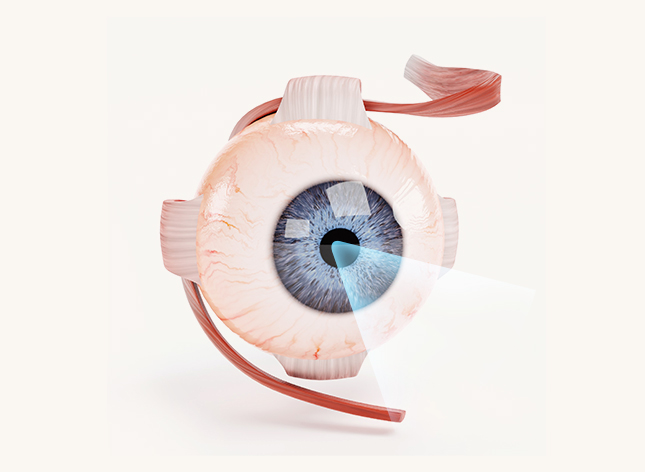
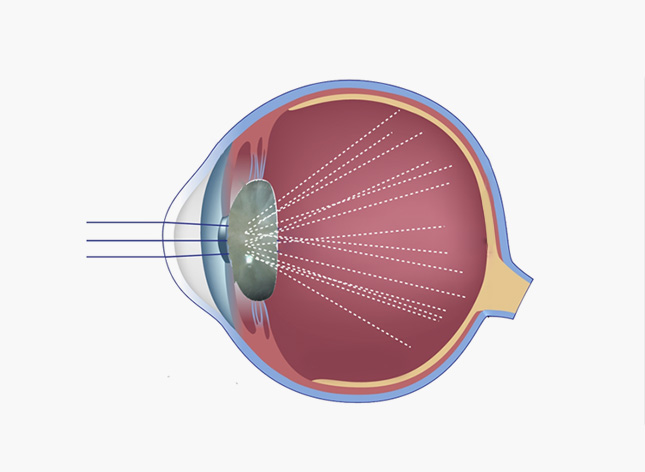
Ultraviolet radiation is invisible electromagnetic energy emitted by the sun and some artificial sources. The eye is uniquely vulnerable because the cornea and lens are transparent structures that absorb UV energy directly. UV-B rays (280–315 nm) are primarily absorbed by the cornea and lens, contributing to photokeratitis (essentially sunburn of the eye) and cataract formation over time. UV-A rays (315–400 nm) penetrate deeper and can reach the retina, where cumulative damage is linked to age-related macular degeneration (AMD). Unlike skin, the eye cannot tan or build UV tolerance — every unprotected hour of sun exposure causes microscopic oxidative damage that accumulates over decades. In a country like South Korea, where summer UV indices regularly exceed 9 (Very High), this is a genuine public health concern for residents of Gwanak, Guro, and all of Seoul.
Q. What Eye Conditions Are Caused or Worsened by UV Exposure?
- Cataracts: UV-B radiation accelerates oxidation of lens proteins, causing clouding. UV exposure is estimated to account for up to 10% of all cataract cases globally.
- Pterygium: A fleshy growth from the conjunctiva onto the cornea, directly linked to UV exposure — common in outdoor workers in Guro, Gasan, and Yeongdeungpo.
- Photokeratitis: Acute UV “sunburn” of the cornea, causing pain, redness, and temporary vision blur — common after snowboarding, beach days, or reflective surfaces.
- Pinguecula: Yellow-white deposits on the conjunctiva caused by UV and wind exposure, often a precursor to pterygium.
- Age-related macular degeneration (AMD): Long-term UV-A exposure contributes to retinal oxidative damage associated with AMD risk.
- Eyelid and conjunctival cancer: UV radiation is a key risk factor for squamous cell carcinoma and melanoma of the ocular surface and eyelid skin.
- Dry eye acceleration: UV exposure inflames the ocular surface and can worsen or accelerate dry eye disease, a very common complaint in Seoul’s urban environment.
📊 UV and Eye Health in Korea: Key Facts
▸ South Korea’s UV Index peaks at 9–11 (Very High to Extreme) during June–August, comparable to Mediterranean countries despite a northern latitude.
▸ Only 31% of Korean adults consistently wear UV-protective sunglasses outdoors, compared to 60–70% in Australia and the USA (Korean Ophthalmological Society survey, 2022).
▸ Pterygium prevalence in Korea is estimated at 8–12% in adults over 40, with outdoor workers in urban districts like Guro and Yeongdeungpo at highest risk.
▸ UV exposure is a contributing factor in approximately 20% of cataracts worldwide, making sunglass use one of the most cost-effective forms of eye disease prevention available.
Q. What Should I Look for When Choosing UV-Protective Sunglasses in Seoul?
Not all sunglasses provide meaningful UV protection. Dark-tinted lenses without UV treatment can actually be more harmful than wearing nothing — the tint causes the pupil to dilate, allowing more UV radiation to enter the eye. When selecting sunglasses in Guro, Yeongdeungpo, or anywhere in Seoul, look for lenses labelled UV400, which blocks all wavelengths up to 400 nm (covering both UV-A and UV-B). This is equivalent to 100% UV protection. In Korea, the relevant safety standard is KS G 2032 for general-purpose sunglasses.
Wraparound styles offer superior protection by blocking UV from the sides, which is particularly relevant when cycling, hiking, or spending time near reflective surfaces such as water or concrete in urban Seoul. Polarised lenses reduce glare but do not inherently provide UV protection — always check for the UV400 label separately. For patients who wear prescription glasses, photochromic (transitional) lenses or prescription sunglasses are important options that Dr. Daniel Baik, board-certified ophthalmologist at Nunehim Eye Center, can advise on during your consultation in Gasan or Gwanak.
Q. Are Children’s Eyes More Vulnerable to UV Damage Than Adults’ Eyes?
Yes — children’s eyes are significantly more vulnerable to UV damage than adults’. The crystalline lens in children is more transparent and transmits a higher proportion of UV radiation to the retina. It is estimated that up to 80% of a person’s lifetime UV exposure occurs before the age of 18, making sun protection during childhood critically important for preventing adult eye disease. Children who spend significant time outdoors in Seoul parks, school playgrounds in Guro and Yeongdeungpo, or at summer camp should wear UV400 sunglasses and wide-brimmed hats.
Nunehim Eye Center offers comprehensive paediatric eye examinations and guidance on UV protection for children. Dr. Baik frequently advises families in Gwanak and Gasan on appropriate protective eyewear for different age groups. Additionally, research increasingly supports outdoor time (2+ hours daily) as a protective factor against childhood myopia progression — but this outdoor exposure should always be accompanied by quality UV eye protection.
Q. When Should I See an Eye Doctor About UV-Related Eye Changes?
- You notice a yellowish or fleshy growth on the white part of your eye (possible pterygium or pinguecula)
- Eye redness, pain, or vision blur that develops after heavy sun exposure (possible photokeratitis)
- Progressive glare sensitivity or difficulty with bright light, which may indicate early cataracts
- Distortion or darkening in your central vision (possible early macular degeneration)
- You work extensively outdoors in Guro, Yeongdeungpo, Gasan, or similar environments
- You have not had a comprehensive eye examination in the past 12–24 months
☀️ Summer (Jun–Aug)
UV Index 9–11+ (Very High to Extreme). Peak risk period in Seoul. Sunglasses essential whenever outdoors, even on overcast days. Peak hours: 10 AM – 3 PM.
🌤 Spring/Autumn (Mar–May, Sep–Nov)
UV Index 4–7 (Moderate to High). Often underestimated. Yellow dust (황사) season in spring increases UV reflection. Sunglasses strongly recommended for outdoor activities in Yeongdeungpo and Guro.
❄️ Winter (Dec–Feb)
UV Index 2–3 (Low to Moderate). Snow and ice reflect up to 80% of UV radiation. Skiers and outdoor workers in and around Seoul remain at risk. Don’t skip eye protection in winter.
👨⚕️ A Note from Dr. Daniel Baik
“In my clinic in Guro, I see the consequences of decades of UV exposure every week — pterygia that have grown across the cornea, cataracts advancing faster than expected, and patients surprised to learn that something as simple as wearing quality sunglasses could have made a meaningful difference. UV damage is silent and cumulative; you won’t feel it happening, but over 20 or 30 years it adds up significantly. I cannot stress enough: invest in a good pair of UV400 sunglasses and wear them consistently — it is genuinely one of the best investments you can make for your long-term vision.”
— Dr. Daniel Baik, Board-Certified Ophthalmologist | Nunehim Eye Center, Guro, Seoul
❓ Frequently Asked Questions — UV Eye Protection in Seoul
Q. Do I need sunglasses on cloudy days in Seoul?
Yes — up to 80% of UV radiation passes through cloud cover. Overcast days in Seoul, particularly during the humid spring and autumn seasons, still carry meaningful UV exposure. The Korea Meteorological Administration’s UV index forecast applies to overcast conditions as well, and readings above 3 (Moderate) warrant protective eyewear.
Q. Are cheap sunglasses from the market safe for my eyes?
Not necessarily. Many inexpensive sunglasses sold without UV400 certification provide little or no UV protection. Dark tinted lenses without UV coating cause the pupil to dilate, potentially allowing more UV to reach the retina than if no glasses were worn. Always look for explicit UV400 certification, which should be present regardless of price point.
Q. Can contact lenses provide UV protection?
Some contact lenses, including certain Acuvue and other brand daily disposables, are manufactured with UV-blocking polymers that filter out a portion of UV-A and UV-B radiation. However, contacts only cover the corneal surface and do not protect the conjunctiva, eyelids, or periocular skin. They should be used as a supplement to, not a replacement for, UV400 sunglasses.
Q. What is the difference between polarised lenses and UV400 lenses?
Polarisation reduces horizontal glare from reflective surfaces like water, roads, and glass — improving visual comfort and contrast. UV400 refers to the ability to block UV radiation up to 400 nm wavelength. These are independent features: a polarised lens may or may not have UV400 protection, and vice versa. For comprehensive eye protection, choose lenses that are both polarised and UV400 certified.
Q. My child refuses to wear sunglasses — what should I do?
This is a very common challenge. Child-friendly wraparound sports sunglasses with flexible frames and UV400 protection are available and tend to be more comfortable for active children. Starting sunglasses use early in infancy (baby sunglasses exist for children under 2) normalises the habit. Dr. Baik can advise families at Nunehim Eye Center on age-appropriate options during paediatric consultations in Guro and Gwanak.
Q. Can I wear sunglasses after LASEK or cataract surgery?
Yes — and it is strongly recommended. Following TransPRK or 2-Day LASEK surgery at Nunehim Eye Center, the corneal surface is healing and particularly sensitive to UV radiation. We advise all post-LASEK patients to wear UV400 sunglasses outdoors for at least 3–6 months post-operatively. After cataract surgery with a standard monofocal IOL, the artificial lens provides some UV filtration, but sunglasses remain beneficial for overall ocular surface protection.
Q. How often should I replace my sunglasses for optimal UV protection?
UV400 coatings are generally durable and do not degrade significantly over normal use. However, scratched lenses reduce optical clarity and may compromise polarisation. Frames that no longer fit properly reduce peripheral coverage. As a general guide, replacing sunglasses every 2–3 years or when significant scratching or frame damage occurs is reasonable. An eye examination at Nunehim Eye Center in Yeongdeungpo or Guro can coincide with a review of your protective eyewear.

Protect Your Vision — Get a Comprehensive Eye Examination Today
Serving patients across Yeongdeungpo, Guro, Gasan, Gwanak, and greater Seoul. Dr. Daniel Baik, board-certified ophthalmologist, offers Korean & English consultations at Nunehim Eye Center.
📍 Visit Nunehim Eye Center — Guro, Seoul
Convenient access from Guro, Gasan, Gwanak & Dongjak. Near Guro Digital Complex Station (Line 2).
📌 Address
Guro-gu, Seoul
nunehim.com
🕐 Hours
Mon–Fri: 9:00 AM – 6:00 PM
Saturday: 9:00 AM – 1:00 PM
🌐 Languages
Korean & English consultations available for expats and international patients.


Leave a comment