Eye Twitching (Myokymia): Causes and When to Worry
Everything you need to know about eyelid twitching — from common triggers to serious warning signs, explained by a Seoul ophthalmologist
Q. What causes eye twitching?
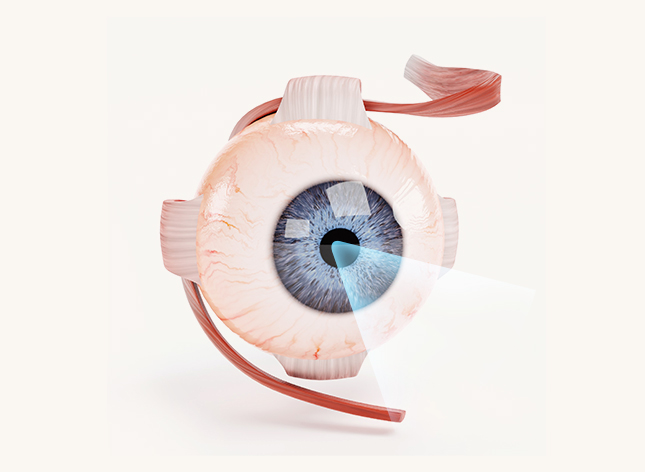
Eye twitching — medically termed myokymia — is most commonly caused by fatigue, stress, caffeine, and prolonged screen use. These involuntary eyelid spasms are usually harmless and resolve on their own within days or weeks. However, persistent or bilateral twitching can occasionally indicate a neurological condition such as benign essential blepharospasm or hemifacial spasm, requiring evaluation by a board-certified ophthalmologist. If you are experiencing eye twitching in Guro, Yeongdeungpo, or Gwanak, Seoul, Dr. Daniel Baik at Nunehim Eye Center can provide a thorough assessment.
Q. What exactly is eye twitching (myokymia)?
Eyelid myokymia refers to fine, spontaneous contractions of the orbicularis oculi muscle that surrounds the eye. The twitching typically affects the lower eyelid of one eye, though the upper eyelid can also be involved. Most episodes last only a few seconds or minutes, but in some cases the twitching can persist for hours, days, or even weeks. Myokymia is usually unilateral (one eye) and is almost always benign — it does not affect vision and resolves without treatment. Bilateral twitching or involvement of the face beyond the eyelids warrants a more thorough evaluation.
Q. What are the most common causes of eye twitching?
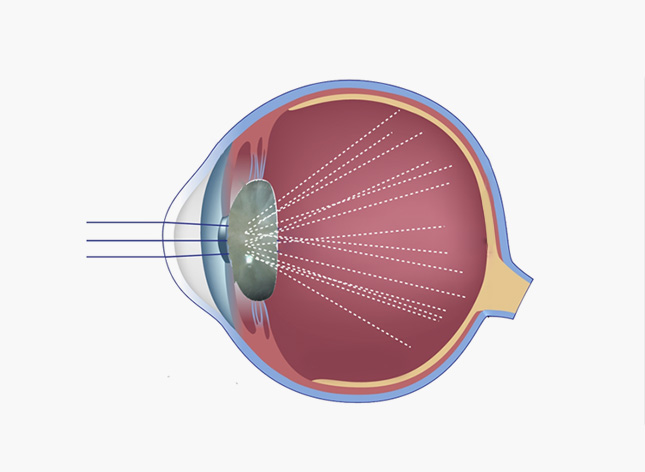
The vast majority of eye twitching cases are triggered by lifestyle factors rather than disease. Digital eye strain is one of the most common causes in Seoul, where average daily screen time exceeds 8 hours for adults. Other frequent triggers include: sleep deprivation, high caffeine or alcohol intake, dry eye syndrome, wind or bright light exposure, and prolonged concentration tasks. In rare cases, twitching can result from nutritional deficiencies (magnesium, B12), certain medications, or neurological conditions.
📊 Eye Twitching in South Korea — Key Facts
- ▸ South Korean adults spend an average of 8–10 hours per day on digital screens — among the highest globally
- ▸ Dry eye syndrome, a key trigger for eyelid spasms, affects over 30% of adults in Seoul
- ▸ Stress levels in Korea consistently rank among the highest in the OECD — a major contributor to myokymia
- ▸ Most cases of eyelid twitching seen at Seoul clinics resolve within 2–4 weeks with lifestyle adjustments
Q. How can I stop eye twitching?
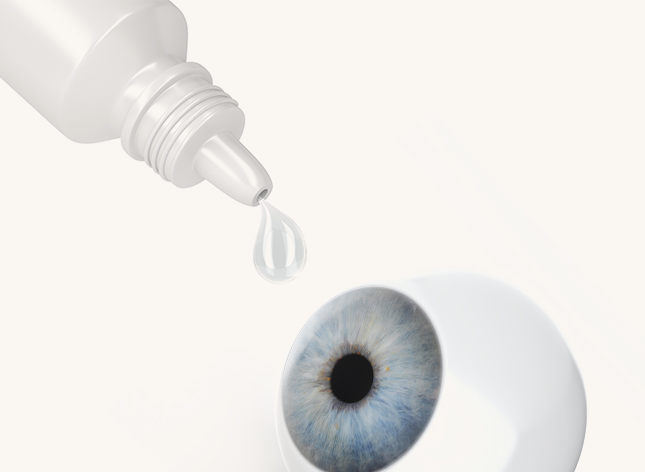
For benign myokymia, the most effective approach is addressing the underlying triggers. Reducing caffeine intake, ensuring 7–9 hours of quality sleep, and taking regular screen breaks using the 20-20-20 rule (every 20 minutes, look 20 feet away for 20 seconds) are first-line strategies. Warm compresses applied to the eyelid can also help relax the orbicularis muscle. If dry eye is contributing to the spasms, lubricating eye drops (artificial tears) can bring relief.
For persistent or severe cases, Dr. Daniel Baik at Nunehim Eye Center — serving patients from Yeongdeungpo, Guro, Gasan, and Gwanak in Seoul — may recommend a formal dry eye evaluation, lid hygiene protocol, or referral for further neurological assessment if a more significant underlying condition is suspected. Magnesium supplementation has shown modest evidence in some studies for reducing muscle excitability.
Q. What is the difference between myokymia and blepharospasm?
Benign essential blepharospasm (BEB) is a more serious condition than simple myokymia. It involves forceful, involuntary closure of both eyelids that can be disabling. Unlike myokymia — which is fine and intermittent — blepharospasm involves the entire eyelid closing and occurs bilaterally. It is a neurological movement disorder, not merely a lifestyle-related spasm.
Hemifacial spasm is another condition that can be confused with eyelid twitching. It starts around the eye but spreads to involve the entire half of the face, and is often caused by vascular compression of the facial nerve. Both blepharospasm and hemifacial spasm require specialist evaluation. Patients in Guro and Gasan experiencing facial involvement alongside eyelid twitching should seek prompt assessment at Nunehim Eye Center.
Q. When should I see an eye doctor in Seoul for eye twitching?
- Twitching has persisted for more than 3–4 weeks without improvement
- Both eyes are twitching simultaneously (bilateral involvement)
- The twitching involves other parts of your face (cheek, mouth, neck)
- Your upper eyelid is drooping alongside the twitching
- Vision is affected or you notice unusual eye movements
- Twitching started after a new medication or head/neck injury
- You are an expat in Yeongdeungpo, Gwanak, or Gasan and want an English-language evaluation
✅ Benign Myokymia
Duration: Days to weeks
Pattern: One eye, fine spasms
Trigger: Fatigue, caffeine, screens
Action: Lifestyle changes
⚠️ Blepharospasm
Duration: Chronic, progressive
Pattern: Both eyes, forceful closure
Cause: Neurological
Action: Specialist evaluation + Botox
🚨 Hemifacial Spasm
Duration: Chronic
Pattern: Eye + face, one side
Cause: Nerve compression
Action: MRI + neurology referral
👨⚕️ Dr. Daniel Baik on Eye Twitching
“Eye twitching is one of the most common complaints I see at our Guro clinic from patients across Yeongdeungpo, Gasan, and Gwanak — and the vast majority are explained by digital eye strain, poor sleep, or undiagnosed dry eye. My advice is always to address sleep and screen habits first. If the twitching involves both eyes, spreads to the face, or persists beyond a month, I would strongly recommend a formal evaluation. As a board-certified ophthalmologist, I’m here to make that assessment accessible in both Korean and English.”
— Dr. Daniel Baik, Board-Certified Ophthalmologist, Nunehim Eye Center, Seoul
❓ Frequently Asked Questions — Eye Twitching
Q. How long does eye twitching usually last?
Most episodes of benign eyelid myokymia resolve within a few days to a few weeks once the triggering factor is addressed. If twitching persists beyond 3–4 weeks despite lifestyle changes, or if it is severe enough to interfere with daily activities, it is worth having a formal evaluation at an eye clinic such as Nunehim Eye Center in Guro, Seoul.
Q. Can dry eye cause eye twitching?
Yes. Dry eye syndrome is a frequently overlooked trigger for eyelid spasms. When the ocular surface is inadequately lubricated, it sends abnormal sensory signals that can trigger the orbicularis muscle to contract involuntarily. This is especially relevant in Seoul’s dry winters and heavily air-conditioned indoor environments in Yeongdeungpo, Guro, and Gwanak. Treating dry eye with appropriate lubricating drops often resolves the associated twitching.
Q. Is eye twitching a sign of a brain tumour or stroke?
Simple eyelid myokymia is almost never associated with brain tumours or stroke. However, if eye twitching is accompanied by weakness, numbness, vision loss, facial drooping, or headaches, urgent medical attention is required. Hemifacial spasm — which can look similar to twitching — can occasionally signal vascular abnormalities near the brainstem. A board-certified ophthalmologist can help differentiate benign twitching from these more serious presentations.
Q. Does caffeine really cause eye twitching?
Yes — caffeine is a central nervous system stimulant that lowers the threshold for muscle excitability, including the fine muscles around the eyelid. Many patients at our Gasan-area clinic report improvement in twitching after reducing their daily coffee or energy drink intake. Cutting back by even one or two cups per day can make a noticeable difference within a week.
Q. Can Botox treat persistent eye twitching?
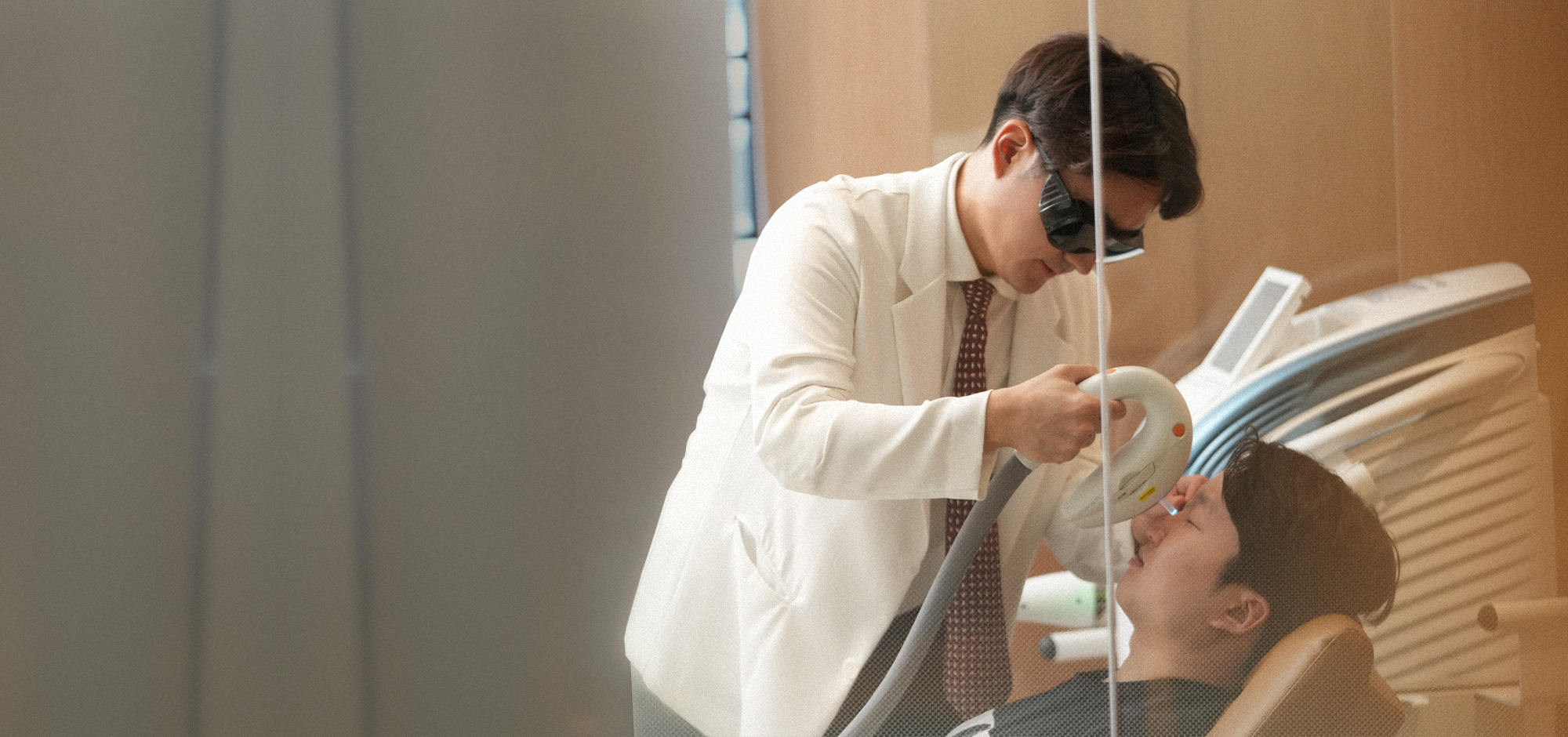
Botulinum toxin (Botox) injections around the orbicularis oculi muscle are the standard treatment for benign essential blepharospasm when conservative measures fail. Small doses are injected precisely into the periocular muscles, temporarily relaxing them. Effects typically last 3–4 months. This treatment is performed by ophthalmologists or neurologists with specialist training. If appropriate, Nunehim Eye Center can provide a referral and coordinate your care.
Q. I am an expat in Seoul — where can I get an English eye twitch consultation?
Nunehim Eye Center in Guro, Seoul provides full-English consultations with Dr. Daniel Baik, a board-certified ophthalmologist. The clinic is easily accessible from Yeongdeungpo, Gasan, Gwanak, and Dongjak via the Guro Digital Complex area. Whether your concern is simple fatigue-related myokymia or something more persistent, we will evaluate, explain your diagnosis in clear English, and guide you toward the right treatment.
Q. Could my eye twitching be related to my glasses prescription?
An uncorrected or outdated glasses prescription can lead to eye strain, which in turn may trigger eyelid twitching. If your prescription has not been updated in over a year, or if you notice that your eyes tire quickly during close work, it is worth having a comprehensive refraction test. Nunehim Eye Center in Guro offers full eye examinations including refraction, dry eye assessment, and eyelid evaluation for patients across Seoul.

Concerned About Eye Twitching? See a Seoul Ophthalmologist
Serving Guro · Yeongdeungpo · Gasan · Gwanak | Korean & English consultations available
📍 Visit Nunehim Eye Center — Guro, Seoul
Convenient access from Guro, Gasan, Gwanak & Dongjak. Near Guro Digital Complex Station (Line 2).
📌 Address
Guro-gu, Seoul
nunehim.com
🕐 Hours
Mon–Fri: 9:00am – 6:00pm
Sat: 9:00am – 1:00pm
🌐 Languages
Korean & English
consultations available


Leave a comment