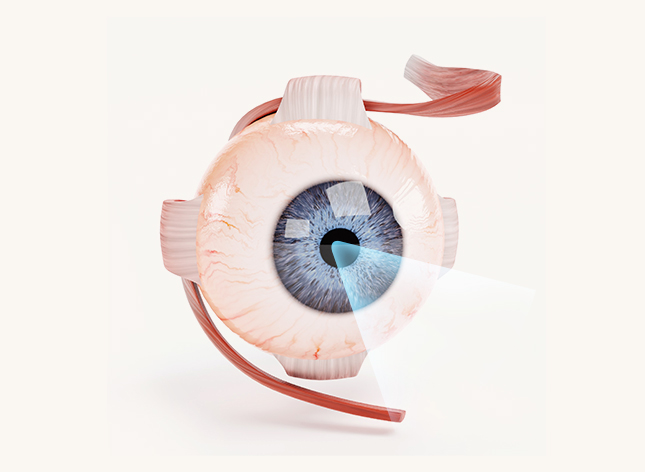
After LASEK Surgery: Recovery Tips & What to Avoid in Seoul
Expert TransPRK / 2-Day LASEK Care at Nunehim Eye Center, Yeongdeungpo · Seoul
Q. How Long Does LASEK Recovery Take in Seoul?
LASEK recovery in Seoul typically takes 5–7 days for the initial healing phase, with visual stability reached by 1–3 months. At Nunehim Eye Center in Yeongdeungpo, Dr. Daniel Baik specialises in TransPRK and 2-Day LASEK — advanced surface ablation techniques offering excellent safety profiles for patients in Guro, Gasan, Gwanak, and surrounding areas. Following post-operative instructions closely is the single most important factor for a smooth LASEK recovery in Seoul.
Q. What Is LASEK and How Does It Differ from LASIK?
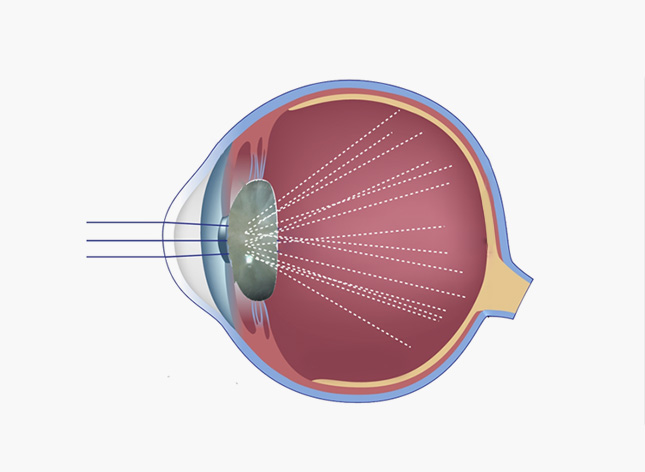
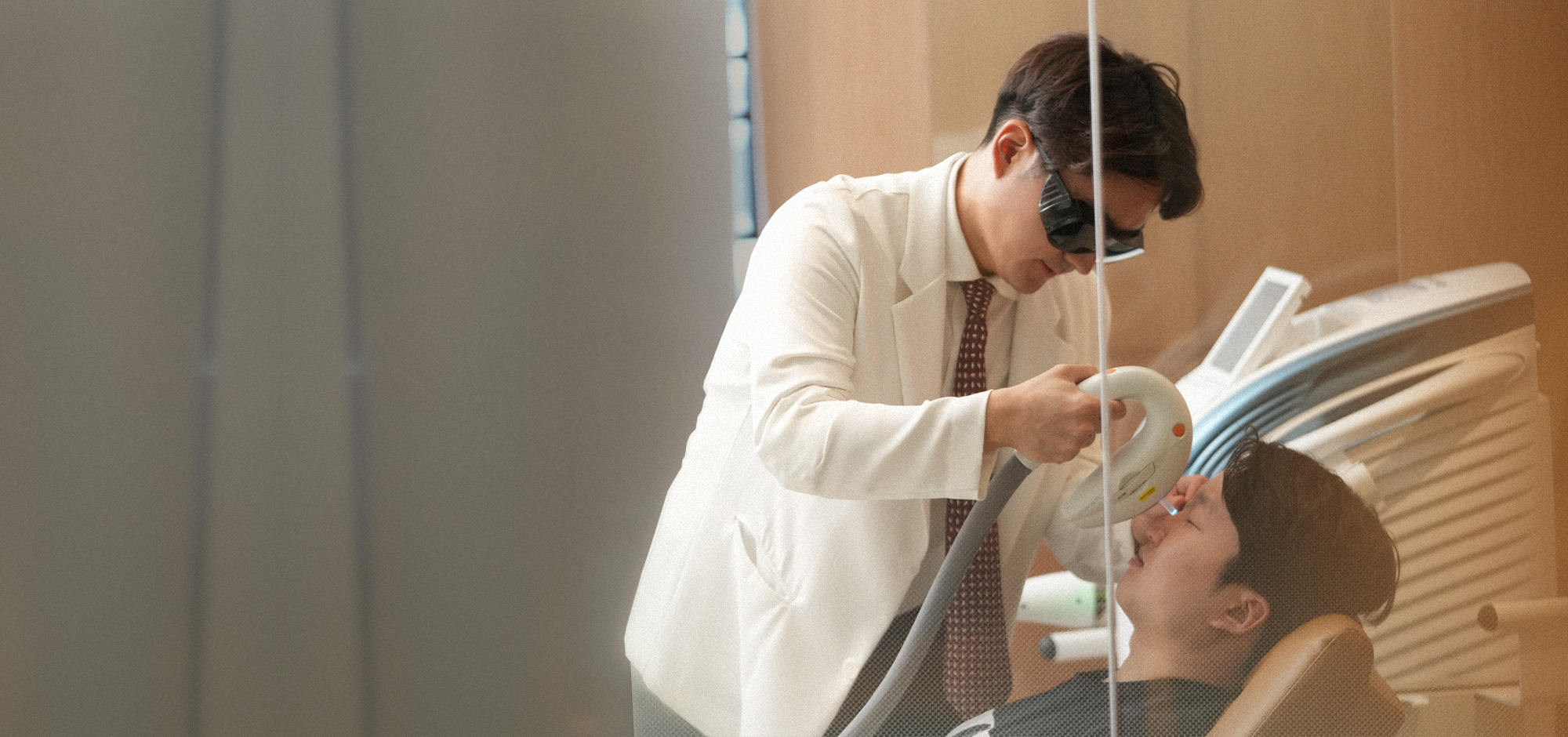
LASEK (Laser-Assisted Sub-Epithelial Keratectomy) and its advanced form TransPRK (Trans-Epithelial Photorefractive Keratectomy) are surface-based laser vision correction procedures that reshape the cornea without creating a corneal flap. Unlike LASIK — which uses a microkeratome or femtosecond laser to lift a flap — LASEK gently removes the thin epithelial layer before applying the excimer laser. This makes LASEK an excellent choice for patients with thinner corneas, dry eyes, or occupations that involve contact sports. Nunehim Eye Center in Yeongdeungpo, Seoul does NOT offer SMILE LASIK; Dr. Daniel Baik, a board-certified ophthalmologist, has chosen to specialise exclusively in TransPRK and 2-Day LASEK based on their outstanding safety and long-term outcomes data. LASEK recovery Seoul patients experience typically involves a few days of mild discomfort during epithelial regrowth — but the long-term results are highly predictable.
Q. How Common Is Refractive Surgery in Korea?
▸ Korea has one of the world’s highest myopia rates, with over 96% of young adults in Seoul affected — making refractive surgery one of the most sought-after procedures nationwide.
▸ Surface ablation procedures (LASEK/TransPRK) account for a growing share of refractive surgeries in Korea, favoured for their flap-free safety profile.
▸ Average LASEK outcomes show >95% of patients achieving 20/20 or better uncorrected vision at 6 months post-op in Korean clinical data.
▸ Patients from Guro, Yeongdeungpo, Gasan, and Gwanak commonly travel to Yeongdeungpo-gu specialist clinics like Nunehim Eye Center for LASEK consultations.
Q. What Should I Expect Day-by-Day After LASEK Surgery?
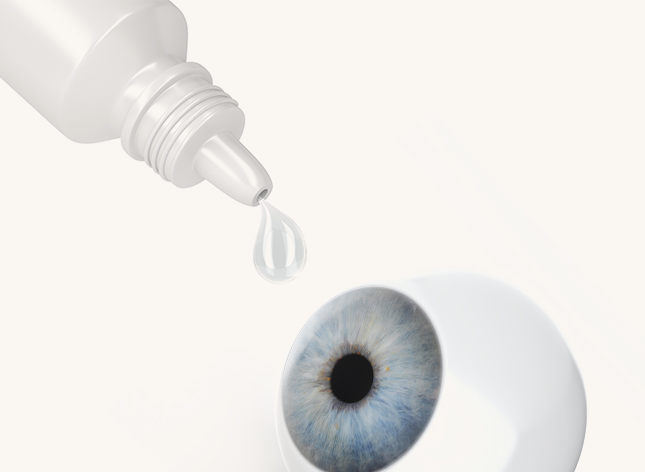
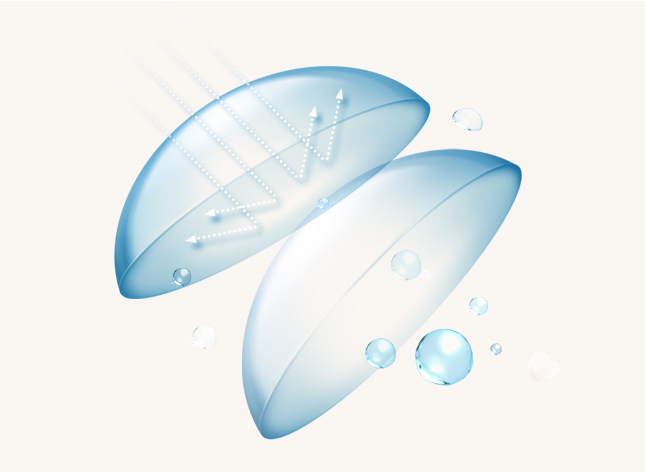
The first 24–48 hours after LASEK are the most uncomfortable. The protective contact lens placed by Dr. Daniel Baik at Nunehim Eye Center must stay in place while the epithelium heals beneath it. Patients typically experience tearing, light sensitivity, and fluctuating vision. Medicated eye drops — including antibiotic, steroid, and lubricant drops — must be used exactly as prescribed. Rest at home in Yeongdeungpo, Guro, or Gwanak is strongly advised during this period.
By day 3–5, the bandage lens is removed at Nunehim Eye Center once epithelial healing is confirmed. Vision gradually improves but may remain slightly blurry for 2–4 weeks. Full visual stabilisation takes 1–3 months. Steroid drops are tapered over 1–3 months as guided by Dr. Baik, helping prevent corneal haze and optimise the refractive outcome.
Q. What Should I Avoid During LASEK Recovery in Seoul?
Avoid rubbing your eyes at all times — even gently — for at least one month post-LASEK. Do not swim (pools, Han River, or public baths common near Guro and Yeongdeungpo) for 4 weeks. Avoid eye makeup for 2 weeks. Stay away from dusty environments and contact sports for at least 4 weeks. Do not drive until Dr. Baik confirms adequate visual acuity at your follow-up at Nunehim Eye Center. Prolonged screen use should be limited for the first week — use preservative-free artificial tears frequently if working on screens.
Q. When Should I Contact Nunehim Eye Center After LASEK?
- Severe or worsening pain not controlled by prescribed medication
- Sudden significant vision loss in one or both eyes
- Bandage contact lens falls out before scheduled removal — call Nunehim Eye Center in Yeongdeungpo immediately
- Increasing redness, discharge, or signs of infection
- Persistent vision worse than expected at 1-month follow-up
- Any trauma to the eyes during the recovery period
📅 Week 1
Rest at home. Bandage lens in place. Use all prescribed drops religiously. Avoid screens. Attend day 3–5 follow-up at Nunehim Eye Center in Yeongdeungpo to have bandage lens removed.
📅 Weeks 2–4
Vision gradually clearing. Continue steroid and lubricant drops as directed. Avoid swimming and contact sports. Light work or study may resume. Vision may fluctuate — this is normal during epithelial remodelling.
📅 Months 1–3
Visual acuity stabilises. Steroid drops tapered per Dr. Baik’s schedule. Final refraction assessed at Nunehim Eye Center. Most patients serving Guro, Gasan, Gwanak achieve target vision by 3-month review.
Dr. Daniel Baik, Board-Certified Ophthalmologist
“LASEK and TransPRK remain my preferred surface ablation approaches for patients at Nunehim Eye Center in Yeongdeungpo, Seoul. The absence of a corneal flap means lower biomechanical risk — particularly important for active patients in Guro, Gasan, and Gwanak who exercise regularly or play sports. The recovery is slightly longer than LASIK, but with proper drop compliance and follow-up, our patients consistently achieve excellent long-term outcomes and high satisfaction with their LASEK recovery Seoul experience.”
— Dr. Daniel Baik | Nunehim Eye Center (눈에힘안과) | nunehim.com
❓ Frequently Asked Questions — LASEK Recovery Seoul
Q. Is LASEK more painful than LASIK?
LASEK involves more post-operative discomfort than LASIK during the first 48–72 hours, because the epithelium must regrow over the treated cornea. Most patients at Nunehim Eye Center in Yeongdeungpo describe the discomfort as a gritty or burning sensation rather than sharp pain. Prescribed analgesic drops and cold compresses effectively manage this. LASEK patients typically require 2–3 days of rest at home before returning to light activity.
Q. When can I return to work after LASEK in Seoul?
Most patients performing desk or office work in Yeongdeungpo, Guro, or Gwanak can return to work within 5–7 days, once the bandage lens is removed and vision is adequate. Jobs requiring driving or precision visual tasks may require a longer break. Physical or outdoor work in dusty environments should wait at least 4 weeks. Dr. Baik will assess your vision and provide individual clearance at your follow-up.
Q. How long do I need to use eye drops after LASEK?
Most LASEK patients use three types of drops post-operatively: antibiotic drops (for the first 1–2 weeks), steroid drops (tapered over 1–3 months), and preservative-free lubricant drops (for several months, sometimes longer). The exact schedule is personalised at Nunehim Eye Center in Yeongdeungpo. Missing drop doses significantly increases the risk of corneal haze — the main post-LASEK complication.
Q. Can I exercise after LASEK surgery?
Light walking is fine from week 2. Avoid strenuous exercise, swimming, contact sports, and anything that risks sweating into the eyes for at least 4 weeks. Patients living near the Han River parks in Yeongdeungpo and Gwanak should be particularly cautious about cycling and running in dusty outdoor conditions during recovery.
Q. Is Nunehim Eye Center suitable for English-speaking LASEK patients?
Yes. Dr. Daniel Baik at Nunehim Eye Center in Yeongdeungpo, Seoul conducts consultations in both Korean and English. The clinic welcomes expats and international residents from across Seoul — including Guro, Gasan, and Gwanak — who are considering TransPRK or 2-Day LASEK. Visit nunehim.com for more information.
Q. What is the difference between TransPRK and standard LASEK?
Standard LASEK uses a dilute alcohol solution to loosen and preserve the epithelial layer before laser ablation. TransPRK (Trans-Epithelial PRK), offered at Nunehim Eye Center in Yeongdeungpo, uses the excimer laser to remove both the epithelium and reshape the cornea in a single, alcohol-free step. This “no-touch” approach reduces surgical trauma, promotes faster epithelial healing, and is associated with less post-operative pain. Dr. Baik selects between these techniques based on each patient’s corneal profile.
Q. What happens if I accidentally rub my eyes after LASEK?
A single gentle rub during early recovery is unlikely to cause serious harm, but repeated rubbing significantly increases infection risk and can displace the bandage contact lens during the first week. After epithelial healing (typically week 2 onwards), rubbing is less likely to cause damage but should still be avoided as a general habit. If you believe you have rubbed your eyes and notice worsening vision or discomfort, contact Nunehim Eye Center in Yeongdeungpo, Seoul promptly.
Book Your LASEK Consultation in Yeongdeungpo, Seoul
Serving Yeongdeungpo · Guro · Gasan · Gwanak — Korean & English consultations available
📍 Visit Nunehim Eye Center — Yeongdeungpo, Seoul
Convenient access from Yeongdeungpo, Guro, Gasan, Gwanak & Dongjak. Near Yeongdeungpo-gu Office Station (Line 5).
📌 Address
Yeongdeungpo-gu, Seoul
nunehim.com
🕘 Hours
Mon–Fri: 9:00 AM – 6:00 PM
Saturday: 9:00 AM – 1:00 PM
Closed Sunday & Public Holidays
🌐 Languages
Korean & English consultations available
Dr. Daniel Baik, board-certified ophthalmologist


Leave a comment