Children’s First Eye Exam in Seoul: What Parents Need to Know
Paediatric eye care at Nunehim Eye Center — serving families in Yeongdeungpo, Guro, Gasan & Gwanak, Seoul
Q. When Should My Child Have Their First Eye Exam in Seoul?
Children’s first eye exam in Seoul is recommended at age 3, before starting school at age 6, and annually thereafter. Early detection of refractive errors, amblyopia (lazy eye), and strabismus (squinting) is critical — many vision problems are reversible when treated before age 7–8. Dr. Daniel Baik at Nunehim Eye Center in Yeongdeungpo provides full paediatric eye examinations for children from Guro, Gasan, Gwanak, and across Seoul.
Q. Why Is a Children’s Eye Exam in Seoul So Important?
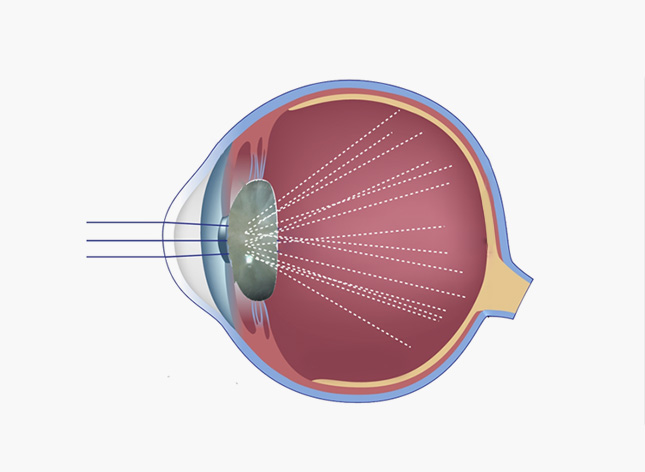
A children’s eye exam in Seoul is one of the most important health checks a parent can arrange. The visual system develops rapidly during the first 8–10 years of life — this is known as the critical period. If a refractive error (myopia, hyperopia, or astigmatism) or alignment problem goes undetected and untreated during this window, the affected eye may never reach its full visual potential, a condition known as amblyopia or ‘lazy eye’.
South Korea has one of the highest rates of childhood myopia in the world. Studies show that myopia prevalence among Korean school-aged children in urban areas like Yeongdeungpo, Guro, and Gasan can exceed 80% by the time children complete primary school. Early intervention — including prescription spectacles, low-dose atropine eye drops, or orthokeratology (OK lens) therapy — can significantly slow myopia progression and protect your child’s long-term vision.
Paediatric Eye Health in Korea — Key Statistics
▸ Over 80% of Korean primary school children in cities like Guro and Yeongdeungpo are myopic by age 12
▸ Korea has the highest reported rate of myopia in the world among young adults (~96% by university age)
▸ Amblyopia (lazy eye) affects 2–3% of children globally and is largely preventable with early detection
▸ Vision problems are the #1 reason for academic difficulties that go undiagnosed in Korean primary school children
Q. What Are the Warning Signs My Child Needs an Eye Exam?
- Squinting or tilting the head to see clearly
- Sitting very close to the television or holding books very near the face
- Frequently rubbing their eyes or complaining of eye pain or headaches
- One eye turning inward or outward (strabismus/squint)
- Difficulty reading — losing their place on the page, skipping lines
- Short attention span or poor academic performance that seems vision-related
- Covering or closing one eye to see better
Q. What Happens at a Children’s Eye Exam at Nunehim Eye Center?
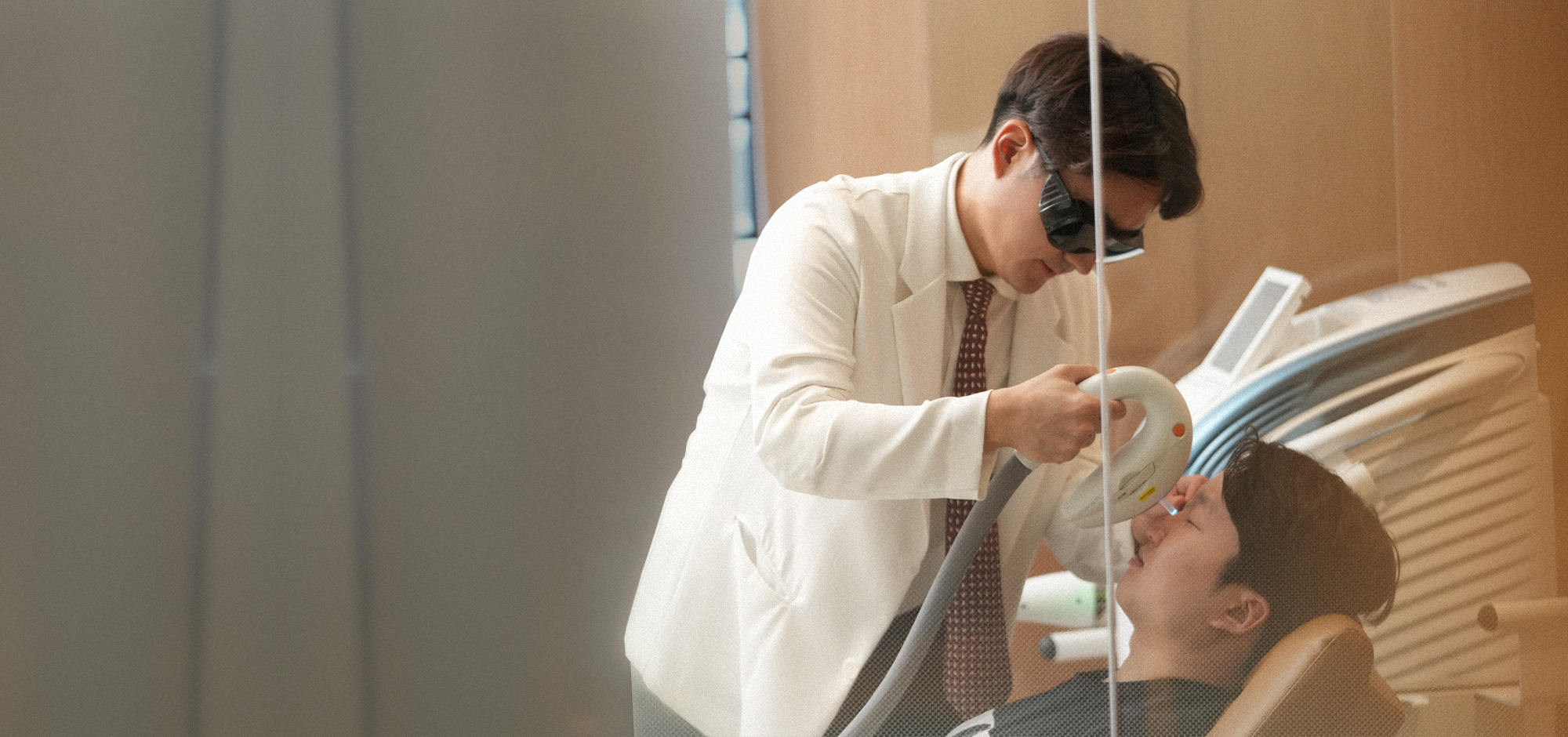
A paediatric eye examination at Nunehim Eye Center in Yeongdeungpo is thorough, child-friendly, and tailored to your child’s age. Dr. Daniel Baik, board-certified ophthalmologist, conducts all paediatric examinations personally. The consultation includes:
- Visual acuity assessment — using age-appropriate charts (picture charts for pre-readers, standard Snellen for school-aged children)
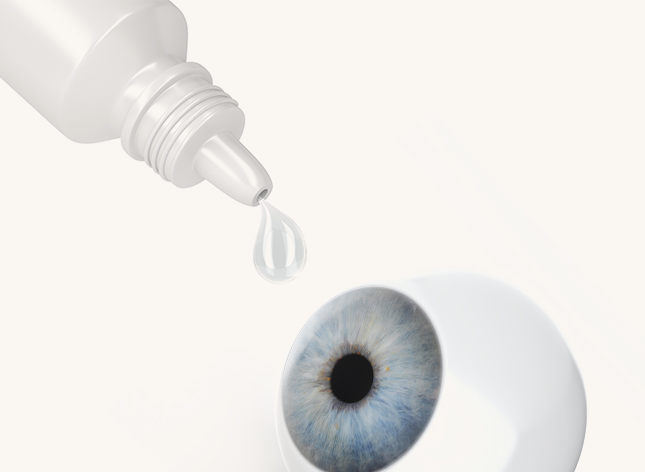
- Cycloplegic refraction — eye drops to temporarily relax accommodation, allowing accurate measurement of the true refractive error
- Binocular vision assessment — checking eye alignment, stereopsis (3D vision), and eye-teaming skills
- Slit-lamp and fundus examination — checking the health of the anterior segment, lens, and retina
- Myopia progression review — comparing current axial length and refraction against previous visits to assess progression rate
Q. What Myopia Management Options Are Available at Nunehim Eye Center?
For children in Yeongdeungpo, Guro, Gasan, and Gwanak whose myopia is progressing rapidly, Nunehim Eye Center offers evidence-based myopia control strategies:
OK Lens (Orthokeratology) — worn overnight, these specially designed rigid contact lenses gently reshape the cornea while the child sleeps, providing clear vision throughout the day without glasses, and slowing axial elongation. Particularly popular among active children and young students in Guro and Gasan.
Low-dose atropine eye drops — applied nightly, atropine 0.01% or 0.05% has strong evidence for slowing myopia progression. Used alone or in combination with OK lens therapy for children with rapidly progressing myopia in Yeongdeungpo and surrounding areas.
Q. At What Ages Should My Child See an Eye Doctor in Seoul?
- Age 3–4: First comprehensive eye exam — checks for amblyopia risk factors, strabismus, and refractive errors
- Before starting school (age 6): Essential to identify any vision problems that could affect learning
- Annually through school years: Myopia progresses fastest between ages 7–14 — annual exams track progression and adjust treatment
- Immediately: If any warning signs appear at any age — do not wait for the next scheduled visit
Age 3–4 Years
First comprehensive exam. Focus on amblyopia screening, strabismus detection, and significant refractive errors. Child-friendly testing at Nunehim Eye Center in Yeongdeungpo.
Age 6–12 Years
Annual exams essential. Myopia progression is most rapid during school years. OK lens and atropine therapy initiated if indicated for children in Guro, Gasan, and Gwanak.
Age 13–18 Years
Continue annual monitoring as myopia may still progress into the late teens. Prescription stabilisation assessment. Refractive surgery (TransPRK/LASEK) discussed once stable at age 18+.
From Dr. Daniel Baik
“As an ophthalmologist in Seoul, I see too many children from Yeongdeungpo, Guro, and Gasan who arrive for their first exam already at -4.00 or -5.00 dioptres — because parents assumed their child was seeing well, or because school screenings missed the problem. I strongly encourage every parent to bring their child in by age 3 for a baseline assessment. Caught early, amblyopia is treatable, and rapid myopia progression can be slowed substantially. We offer warm, bilingual consultations for both Korean and English-speaking families.”
— Dr. Daniel Baik, Board-Certified Ophthalmologist | Nunehim Eye Center, Yeongdeungpo, Seoul
❓ Frequently Asked Questions about Children’s Eye Exams in Seoul
Q. How do I know if my child can’t see well?
Young children often cannot articulate vision problems — they simply adapt. Watch for squinting, head-tilting, sitting very close to screens, frequent eye-rubbing, or avoiding activities requiring detailed near vision. If you notice any of these signs in your child in Yeongdeungpo, Guro, or Gwanak, schedule an appointment at Nunehim Eye Center promptly.
Q. Can a 3-year-old have an accurate eye exam?
Yes. Dr. Daniel Baik uses age-appropriate assessment techniques including picture acuity charts, cover tests for strabismus, and cycloplegic refraction (with dilating drops) which gives an objective, reliable measurement of the refractive error regardless of the child’s ability to communicate. Children as young as 2–3 years can be examined effectively at Nunehim Eye Center in Yeongdeungpo.
Q. Does the school eye test replace a proper eye exam?
No. School screenings in Korea typically test only distance visual acuity with a Snellen-type chart. They can miss significant hyperopia (far-sightedness), mild astigmatism, amblyopia, binocular vision problems, and other conditions. A comprehensive exam at Nunehim Eye Center includes cycloplegic refraction, binocular vision assessment, and a full ocular health check.
Q. My child passed the school vision test — do they still need an exam?
Yes. As noted above, school screenings are not comprehensive. A child can pass a distance acuity test and still have significant amblyopia, hyperopia, or convergence insufficiency. Particularly in high-myopia environments like Guro, Gasan, and Yeongdeungpo, we recommend a full exam by a board-certified ophthalmologist regardless of school screening results.
Q. What is OK lens therapy and is it safe for children?
Orthokeratology (OK lens) involves wearing specially fitted rigid contact lenses overnight that temporarily reshape the cornea, giving clear vision during the day. It is also scientifically proven to slow the axial elongation that drives myopia progression. OK lens is safe for children aged 6 and above when fitted by an experienced practitioner. Dr. Daniel Baik at Nunehim Eye Center has extensive experience with OK lens fitting and follow-up.
Q. At what age can my child have LASIK or laser eye surgery?
Laser refractive surgery (TransPRK/2-Day LASEK) is appropriate only once the prescription has been stable for at least 12 months, typically at age 18–20 or older. During childhood and adolescence, spectacles, toric contact lenses, or OK lens therapy in combination with atropine drops are the standard of care for myopia management at Nunehim Eye Center.
Q. Do you offer consultations in English for expat families in Seoul?
Absolutely. Dr. Daniel Baik is a board-certified ophthalmologist who speaks both Korean and English fluently. Nunehim Eye Center regularly sees expat families from Yeongdeungpo, Guro, Gasan, Gwanak, and beyond who want their children to receive a thorough eye examination with clear English-language explanations of findings and recommendations.

Book Your Child’s Eye Exam in Seoul
Visit Nunehim Eye Center in Yeongdeungpo, Seoul — Korean & English paediatric consultations with Dr. Daniel Baik, board-certified ophthalmologist.
📍 Visit Nunehim Eye Center — Guro, Seoul
Convenient access from Guro, Gasan, Gwanak & Dongjak. Near Guro Digital Complex Station (Line 2).
📌 Address
Guro-gu, Seoul
nunehim.com
🕐 Hours
Mon–Fri: 9am–6pm
Sat: 9am–1pm
🌐 Languages
Korean & English consultations available


Leave a comment