Dry Eye and Contact Lenses: Can You Still Wear Them?
Expert dry eye and contact lens care at Nunehim Eye Center, Yeongdeungpo, Seoul
Q. Can you wear contact lenses if you have dry eye?
Yes — many patients with dry eye can continue wearing contact lenses with the right lens type, replacement schedule, and treatment plan. The key is addressing the underlying dry eye condition first, then selecting lenses designed for low-moisture environments. At Nunehim Eye Center in Yeongdeungpo, Seoul, Dr. Daniel Baik helps patients from Guro, Gasan, and Gwanak find comfortable contact lens solutions even with significant dry eye disease.
Q. What is dry eye disease and why is it so common in Seoul?
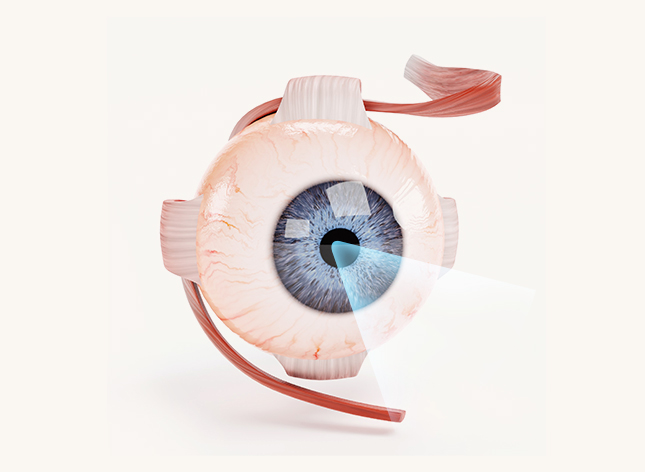
Dry eye disease (DED) occurs when the eye produces insufficient tears or tears evaporate too quickly, leaving the ocular surface inadequately lubricated. Seoul’s urban environment — air pollution, long screen hours, heated and air-conditioned indoor spaces, and high contact lens usage — creates a perfect storm for dry eye. Contact lens wear reduces corneal oxygen and disrupts the tear film further, making co-management of dry eye and contact lens use a daily challenge for millions in Yeongdeungpo, Guro, Gasan, and Gwanak.
Q. What are the symptoms of dry eye in contact lens wearers?
- Burning, stinging, or gritty sensation worsening with lens wear
- Redness that increases over the course of the day
- Fluctuating vision that clears when you blink
- Intolerance to contact lenses — lenses feel uncomfortable after just a few hours
- Excessive tearing (reflex tears) paradoxically triggered by dryness
- Mucous discharge, especially in the morning
- Eye fatigue during screen use (digital eye strain + dry eye overlap)
📊 Dry Eye in Korea: Key Statistics
▸ Up to 33% of Korean adults are estimated to have clinically significant dry eye disease (Korean Ophthalmological Society, 2023)
▸ Seoul’s PM2.5 air pollution levels are among the highest in East Asia — a direct risk factor for ocular surface disease
▸ Korean adults average over 9 hours of screen time per day — sharply reducing blink rates and accelerating tear film evaporation
▸ Contact lens penetration in South Korea exceeds 30% of the population — combined with high dry eye prevalence, this creates a large burden of contact-lens-related dry eye in Yeongdeungpo, Guro, Gasan, and Gwanak
Q. Which contact lenses are best for dry eye sufferers in Seoul?
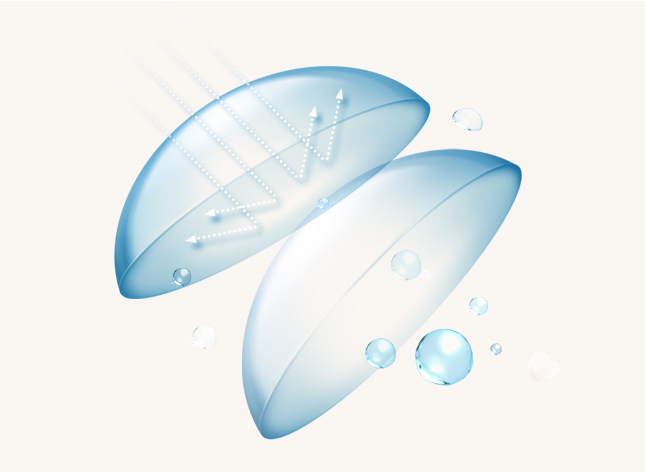
Not all contact lenses are equal for dry eyes. Daily disposable silicone hydrogel lenses minimise deposit build-up and maintain oxygen supply — our first recommendation for dry eye patients in Yeongdeungpo and Guro. Scleral lenses are the gold standard for severe dry eye: they create a fluid reservoir over the cornea, providing constant moisture and relief throughout the day. Monthly lenses should be replaced exactly on schedule as deposits accumulate rapidly on a dry eye surface.
Orthokeratology (OK lens) worn overnight is another strategy: patients wear rigid lenses while sleeping to reshape the cornea, eliminating the need for daytime lens wear entirely. Patients from Gasan and Gwanak who struggle with daytime lens discomfort due to dry eye often find OK lens therapy life-changing. Dr. Daniel Baik at Nunehim Eye Center evaluates each patient individually to find the right solution.
Q. How is dry eye treated before or alongside contact lens use?
Effective dry eye management is the foundation of comfortable contact lens wear. At Nunehim Eye Center we use a step-wise approach: artificial tears (preservative-free) supplemented throughout the day; warm compresses and lid hygiene for meibomian gland dysfunction (the most common form of dry eye in Seoul’s office workers); prescription anti-inflammatory drops (cyclosporine or lifitegrast) for moderate-to-severe cases; and punctal plugs to reduce tear drainage in appropriate candidates.
Dietary supplementation with omega-3 fatty acids has evidence supporting improvement in tear film quality. We also address environmental factors — humidifiers at workstations, reduced screen time, and the 20-20-20 rule (every 20 minutes, look at something 20 feet away for 20 seconds). Patients from Guro, Gasan, Yeongdeungpo, and Gwanak who work long hours in air-conditioned offices benefit especially from these behavioural modifications.
Q. When should I stop wearing contact lenses and see an ophthalmologist?
- Lenses become uncomfortable within 2–3 hours of insertion
- You notice redness that does not resolve after removing lenses
- Vision blurs and does not clear with blinking
- You develop pain, photophobia, or discharge — stop wearing immediately and seek urgent care
- You are using rewetting drops more than 3–4 times per day just to tolerate lenses
- You sleep in daily lenses or wear lenses beyond their recommended replacement period
🟡 Mild Dry Eye
Daily disposable silicone hydrogel lenses with preservative-free rewetting drops. Shorten wear time. Ensure 8 hours lens-free before sleep.
🟠 Moderate Dry Eye
Treat underlying meibomian gland dysfunction first. Consider OK lens (overnight orthokeratology) to eliminate daytime lens wear. Add anti-inflammatory drops.
🔴 Severe Dry Eye
Scleral lens fitting provides constant corneal moisture. Punctal plugs, intensive anti-inflammatory therapy. Daytime soft lens wear may need to be discontinued.
From Dr. Daniel Baik
“Dry eye is not simply a nuisance — it is a real disease that affects quality of life and can cause permanent corneal damage if ignored. I see many patients in our Yeongdeungpo clinic from Guro, Gasan, and Gwanak who have struggled for years to wear contact lenses, not knowing that their discomfort has a treatable underlying cause. With the right diagnosis and a personalised treatment plan — whether that’s OK lens, scleral lenses, or optimised medical therapy — most patients can regain comfortable lens wear and clear, stable vision.”
— Dr. Daniel Baik, board-certified ophthalmologist, Nunehim Eye Center, Seoul
❓ Frequently Asked Questions: Dry Eye and Contact Lenses in Seoul
Q. Are daily contact lenses better than monthly lenses for dry eye?
Generally yes. Daily disposables eliminate the build-up of protein and lipid deposits that accumulate on reused lenses — deposits that worsen dry eye symptoms. Discarding the lens each night means you start fresh each morning. Among daily lenses, silicone hydrogel materials transmit significantly more oxygen than older hydrogel designs and tend to maintain moisture better throughout the day.
Q. What is meibomian gland dysfunction and how does it affect contact lens wearers?
Meibomian glands line the eyelid margins and secrete an oil (meibum) that forms the outermost layer of the tear film, preventing rapid evaporation. When these glands become blocked — due to screen use, air conditioning, and cosmetic use — the lipid layer breaks down and tears evaporate 10–15 times faster. Contact lenses further destabilise this fragile layer. Warm compresses and lid massage applied daily can significantly improve meibomian gland function and contact lens comfort.
Q. Can I use eye drops while wearing contact lenses?
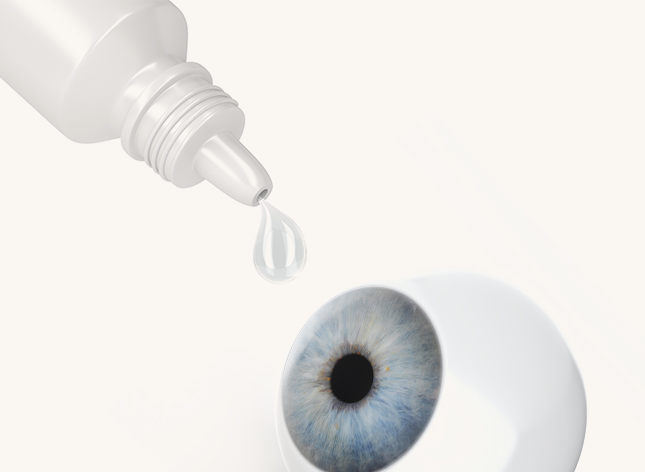
Only drops specifically labelled for use with contact lenses should be applied while lenses are in. Drops containing preservatives (such as benzalkonium chloride) can bind to lens material and accumulate on the ocular surface, worsening dry eye. Preservative-free single-dose unit artificial tears are the safest choice. Remove lenses before applying medicated drops such as cyclosporine or antihistamines, and wait at least 15 minutes before reinserting.
Q. Is OK lens (orthokeratology) a good option for dry eye patients?
OK lens therapy can be excellent for dry eye patients who struggle with daytime lens wear. Since OK lenses are worn only during sleep to reshape the cornea, the eyes are free of lenses during waking hours. The daytime tear film remains undisturbed by lens material, allowing the ocular surface to recover. Many patients in Yeongdeungpo, Guro, and Gasan who tried and failed with daily soft lenses find OK lens therapy a comfortable alternative. Suitability must be assessed with topography and corneal measurements.
Q. How long can I wear contact lenses each day if I have dry eye?
For most dry eye patients, 8–10 hours of daily lens wear is a reasonable maximum, with rewetting drops used regularly. Many find symptoms worsen sharply after the 6-hour mark — this is when protein deposits accumulate and tear film stability drops. If lenses consistently feel uncomfortable after less than 6 hours despite optimal lens choice and dry eye treatment, transitioning to OK lens or scleral lens fitting should be discussed at your next appointment.
Q. Does screen time in Seoul offices worsen dry eye with contact lenses?
Significantly. Studies show blink rate drops by up to 60% during concentrated screen use, from a normal ~15 blinks/minute to just 5–7. Each blink spreads the tear film and stimulates meibum secretion — fewer blinks means faster evaporation and more contact lens-related discomfort. The 20-20-20 rule helps, as does consciously blinking fully during screen work. Ergonomic monitor placement at or slightly below eye level reduces the exposed ocular surface area and slows evaporation.
Q. Where can I get a dry eye assessment and contact lens consultation in Seoul?
Nunehim Eye Center in Yeongdeungpo offers comprehensive dry eye evaluation including tear meniscus measurement, TBUT (tear break-up time), meibography (imaging of meibomian glands), and corneal staining assessment. Dr. Daniel Baik, a board-certified ophthalmologist, provides Korean and English consultations. The clinic serves patients from Yeongdeungpo, Guro, Gasan, and Gwanak. Visit nunehim.com to learn more or book an appointment.
Struggling with Dry Eye and Contact Lenses? Get Expert Help in Seoul
Serving Yeongdeungpo · Guro · Gasan · Gwanak — Korean & English consultations available
📍 Visit Nunehim Eye Center — Yeongdeungpo, Seoul
Convenient access from Yeongdeungpo, Guro, Gasan, Gwanak & Dongjak. Near Yeongdeungpo-gu Office Station.
📌 Address
Yeongdeungpo-gu, Seoul
nunehim.com
🕐 Hours
Mon–Fri: 9:00–18:00
Saturday: 9:00–13:00
🌐 Languages
Korean & English consultations available with Dr. Daniel Baik


Leave a comment