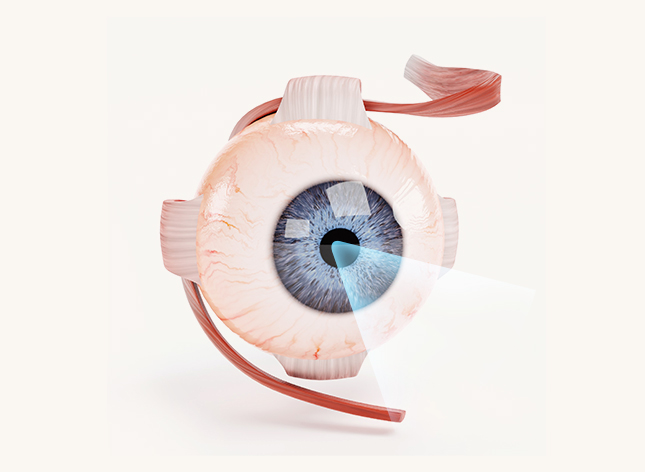
Photophobia (Light Sensitivity): Causes and Treatment in Seoul
Expert evaluation by Dr. Daniel Baik — Nunehim Eye Center, Yeongdeungpo, Seoul
Q. What is photophobia (light sensitivity)?
Photophobia — the medical term for abnormal light sensitivity — is a symptom where ordinary light causes eye pain, discomfort, or headache. It is among the most common complaints seen at Nunehim Eye Center in Yeongdeungpo. While not a disease itself, photophobia signals an underlying condition that deserves professional assessment.
Q. What causes light sensitivity eyes in Seoul?
In Seoul’s urban environment, the most frequent causes include dry eye disease (worsened by fine dust and air conditioning), contact-lens overwear, corneal abrasion, uveitis, and migraine. Patients from Guro, Gwanak, and Gasan report worsening symptoms during yellow-dust season and after long hours of screen use. Less commonly, photophobia may indicate acute glaucoma, keratitis, or neurological disease.
Q. What are the signs and symptoms of photophobia?
- Squinting or involuntary eye closure in normal indoor or outdoor light
- Eye pain or burning when exposed to sunlight, fluorescent, or LED lighting
- Excessive tearing triggered by bright environments
- Headache accompanying light exposure
- Difficulty driving at night due to glare from headlights
- Preference for dim or darkened rooms
📊 Photophobia & Eye Health in Korea — Key Facts
- ▸ 95%+ of Korean school-age children are myopic — high myopia is linked to increased ocular surface sensitivity
- ▸ Seoul residents average over 10 hours of digital screen time daily, dramatically increasing dry-eye-related photophobia
- ▸ Migraine (a leading photophobia trigger) affects approximately 16% of Koreans
- ▸ Seoul’s UV index regularly reaches 8-10 from May through August, intensifying outdoor light discomfort
Q. How is photophobia treated at Nunehim Eye Center?
Dr. Daniel Baik, board-certified ophthalmologist, begins with a comprehensive slit-lamp examination, tear-film analysis, and corneal topography to identify the precise cause. Treatment is then tailored accordingly: preservative-free lubricants for dry-eye photophobia, topical corticosteroids or immunomodulators for uveitis, and tinted or UV-blocking spectacle lenses for persistent sensitivity.
For patients who developed photophobia following refractive surgery, Nunehim Eye Center specialises in TransPRK (no-touch laser) and 2-Day LASEK — methods chosen in part for their lower risk of post-operative corneal haze. Orthokeratology (OK lens) is also offered for patients from Gasan and Gwanak seeking daytime freedom from spectacles.
Q. Can photophobia be a warning sign of a serious condition?
Yes. Sudden severe photophobia accompanied by neck stiffness and fever can indicate bacterial meningitis — a life-threatening emergency. Photophobia with a painful red eye and vision loss may signal acute angle-closure glaucoma. Any photophobia following eye trauma needs same-day assessment to rule out corneal injury or intraocular damage.
Nunehim Eye Center accepts urgent appointments for patients in Yeongdeungpo, Guro, Gwanak, and Gasan. If you are experiencing sudden, severe photophobia, please call us immediately or proceed to the nearest emergency department.
Q. When should I see a doctor in Seoul for light sensitivity?
- Sudden severe photophobia + headache + neck stiffness → Emergency room immediately
- Light sensitivity after eye injury or chemical splash → Same-day ophthalmology visit
- Photophobia lasting more than one week with no obvious cause → Schedule consultation
- Photophobia + red eye + pain + blurred vision → Urgent clinic visit
- Post-surgery discomfort beyond normal recovery window → Contact your ophthalmologist
😌 Mild
Dry eye, screen fatigue, contact-lens irritation. Managed with lubricants, proper lens hygiene, and reduced screen time.
⚠️ Moderate
Uveitis, keratitis, migraine. Requires targeted medical therapy and follow-up with a specialist.
🚨 Severe
Meningitis, acute glaucoma, serious ocular trauma. Needs emergency care — do not delay.
A Word from Dr. Daniel Baik
“Light sensitivity is one of the most under-investigated complaints I encounter at our Yeongdeungpo clinic. Many patients in Guro and Gasan silently endure months of discomfort, attributing it to tiredness or screen overuse. In my practice, a careful slit-lamp exam almost always reveals a specific, treatable cause. Please do not normalise persistent photophobia — early diagnosis protects your vision and your quality of life.”
— Dr. Daniel Baik, Board-Certified Ophthalmologist, Nunehim Eye Center, Seoul
❓ Frequently Asked Questions — Light Sensitivity Eyes Seoul
Q. Is photophobia the same as having sensitive eyes?
Not exactly. Photophobia specifically describes pain or discomfort triggered by light and has defined clinical causes. “Sensitive eyes” is a vague term; photophobia requires professional evaluation to identify the underlying condition.
Q. Can contact lenses cause light sensitivity?
Yes. Overworn or poorly fitted lenses can cause corneal hypoxia and micro-abrasions that trigger photophobia. In Seoul offices where extended lens wear is common, this is a frequent cause. Remove lenses immediately if you notice sudden light sensitivity.
Q. Will sunglasses resolve photophobia?
Sunglasses reduce incoming light and ease symptoms temporarily, but do not treat the cause. Wearing very dark lenses indoors long-term can worsen sensitivity by dark-adapting the pupil. Proper diagnosis and treatment is the correct solution.
Q. Does dry eye cause photophobia in Seoul?
Yes — dry eye is the most common cause of mild photophobia in Seoul. Fine dust, air conditioning, and long screen sessions accelerate tear evaporation and expose corneal nerve endings. At Nunehim, we perform meibography and tear-film analysis to guide targeted dry-eye treatment for patients from Guro, Gwanak, and Gasan.
Q. Can migraines cause photophobia?
Yes. Migraine-associated photophobia is driven by abnormal retino-thalamic signalling. Around 16% of Koreans experience migraine, making this a significant cause of photophobia at our Yeongdeungpo clinic. Treatment targets the migraine itself alongside ocular surface management.
Q. Can children develop photophobia?
Yes. Children with high myopia, uveitis, or post-infectious conjunctivitis frequently report photophobia. If your child squints outdoors or avoids bright classrooms, bring them to Nunehim Eye Center for a paediatric eye examination.
Q. Is photophobia permanent?
Most cases resolve with treatment of the underlying cause. Even chronic photophobia linked to traumatic brain injury or systemic disease can be managed effectively. Early evaluation and treatment offer the best outcomes.

Experiencing light sensitivity in Seoul?
Book a consultation with Dr. Daniel Baik at Nunehim Eye Center. Korean & English appointments available in Yeongdeungpo, serving Guro, Gasan, and Gwanak.
📍 Visit Nunehim Eye Center — Yeongdeungpo, Seoul
Convenient access from Guro, Gasan, Gwanak & Dongjak. Near Yeongdeungpo-gu Office Station (Line 5).
📌 Address
Yeongdeungpo-gu, Seoul | nunehim.com
🕐 Hours
Mon-Fri 9:00-18:00 | Sat 9:00-13:00
🌐 Languages
Korean & English consultations


Leave a comment