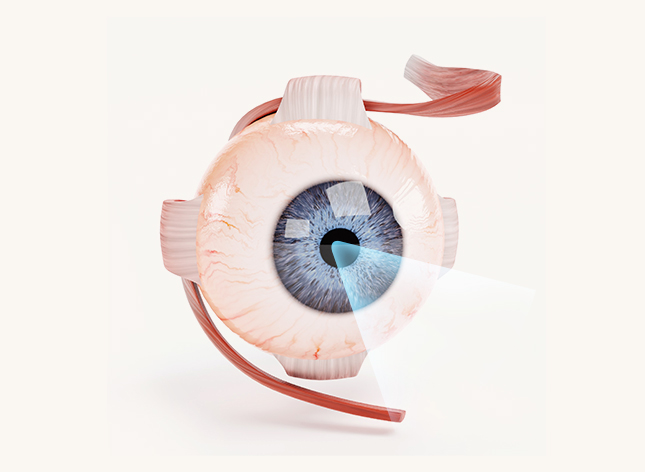
Vision Changes During Pregnancy: What Is Normal in Korea?
Understanding vision changes pregnancy brings — and when to see an ophthalmologist in Seoul
Q. Is it normal to have vision changes during pregnancy?
Yes — vision changes during pregnancy are common and usually temporary. Hormonal shifts, fluid retention, and changes in corneal thickness can affect eyesight from the first trimester. Most changes resolve after delivery or the end of breastfeeding. However, some vision changes can signal serious conditions like pre-eclampsia or gestational diabetes complications, and warrant urgent evaluation at an ophthalmologist in Yeongdeungpo, Guro, Gasan, or Gwanak.
Q. Why does pregnancy cause vision changes?
Pregnancy triggers a cascade of hormonal, circulatory, and metabolic changes that affect the entire body — including the eyes. Oestrogen and progesterone alter the composition and volume of body fluids, which changes the shape and thickness of the cornea. This can cause myopia (short-sightedness) to worsen temporarily, or create new refractive errors. The lens of the eye can also become slightly thicker. In addition, increased blood volume and circulation changes affect the retinal vessels and intraocular pressure (IOP), which typically drops slightly during pregnancy. These are all normal physiological adaptations.
Eye Health & Pregnancy in Korea
- ▸ Korea has among the highest myopia rates in the world — over 95% in young adults — making refractive changes during pregnancy more noticeable
- ▸ Dry eye syndrome affects up to 30% of pregnant women due to hormonal effects on tear glands
- ▸ Gestational diabetes affects 10–15% of Korean pregnancies, increasing risk of diabetic eye disease
- ▸ Pre-eclampsia — a cause of serious vision symptoms — occurs in approximately 2–5% of Korean pregnancies
Q. What vision changes during pregnancy are considered normal?
The most common normal vision changes during pregnancy include: blurry or fluctuating vision (especially with glasses or contacts that no longer seem to fit correctly), dry eye symptoms such as grittiness and burning, increased light sensitivity (photophobia), and mild puffiness around the eyes. These typically begin in the first or second trimester and improve after delivery.
Dry eye is particularly common among pregnant patients in Guro and Gasan. Hormones suppress the lacrimal glands’ immune function, reducing tear quality. Artificial tear drops (preservative-free) are safe during pregnancy and provide effective relief. Dr. Daniel Baik at Nunehim Eye Center can recommend appropriate dry-eye management for pregnant patients.
Q. Should I change my glasses or contacts during pregnancy?
Ophthalmologists generally advise against updating a glasses prescription during pregnancy or the breastfeeding period. Corneal shape and refractive error fluctuate throughout gestation, and a new prescription may be incorrect by the next trimester. Contact lens wear may become uncomfortable due to corneal oedema and dry eye — switching to glasses temporarily is often the most practical solution.
LASIK or other refractive surgery (including TransPRK/2-Day LASEK) is always postponed until after pregnancy and the end of breastfeeding, when the prescription has stabilised for at least 12 months. Patients in Yeongdeungpo and Gwanak considering laser eye surgery are advised to complete family planning before their procedure.
Q. Which vision symptoms during pregnancy require urgent care?
- Sudden vision loss or significant blurring — may indicate pre-eclampsia or retinal detachment
- Flashing lights (photopsia) or a sudden increase in floaters — possible retinal tear
- Double vision — can signal elevated blood pressure or neurological issues
- Visual field defects (missing patches of vision) — warrants same-day evaluation
- Severe headache combined with visual disturbance — emergency sign of pre-eclampsia
- Worsening vision in a patient with known gestational diabetes — diabetic macular oedema possible
First Trimester
Dry eye and mild blur begin. Hormonal changes affect corneal sensitivity. Avoid updating prescription. Preserve-free artificial tears are safe.
Second & Third Trimester
Fluid retention peaks — corneal oedema and lens thickening most pronounced. Risk of gestational diabetes eye complications. Monitor blood pressure vigilantly.
Postpartum
Most changes resolve within 3–6 months. Safe to update prescription once stable for 12 months. Laser eye surgery can be reconsidered after breastfeeding ends.
A Note from Dr. Daniel Baik
“Pregnancy is a time when the eyes go through real, measurable changes. In my patients from Guro, Yeongdeungpo, and across Seoul, dry eye and blurry vision are the most common concerns I see — both are very manageable. But I always tell expecting mothers: if your vision suddenly worsens, or you see flashes of light, please come in the same day. These can be signs of conditions that need urgent treatment. I offer English-language consultations for international patients and expat families, so there is no barrier to getting the care you need.” — Dr. Daniel Baik, board-certified ophthalmologist, Nunehim Eye Center
❓ Frequently Asked Questions: Vision & Pregnancy
Q. Can I still wear contact lenses during pregnancy?
Many women can continue wearing contacts, but comfort often decreases due to dry eye and corneal changes. Switch to daily disposable lenses if possible, use preservative-free lubricating drops, and reduce wearing time. If lenses feel uncomfortable, switch to glasses temporarily — there is no advantage in forcing contact wear during pregnancy.
Q. Does pregnancy affect glaucoma or eye pressure?
Intraocular pressure (IOP) typically decreases during pregnancy due to increased aqueous outflow. For most patients this is not significant, but women with known glaucoma need careful monitoring since some glaucoma medications are contraindicated in pregnancy. Discuss your medication plan with both your obstetrician and ophthalmologist at Nunehim Eye Center in Gasan.
Q. I have gestational diabetes — should I see an eye doctor?
Yes, absolutely. Gestational diabetes can cause or worsen diabetic retinopathy. Korean guidelines recommend a dilated fundus examination in the first trimester or at diagnosis for all diabetic pregnant women, with follow-up every 1–3 months depending on findings. Early detection of macular oedema or retinal changes can prevent lasting vision loss.
Q. Are eye drops safe to use during pregnancy?
Preservative-free artificial tear drops are safe throughout pregnancy and breastfeeding. Most antibiotic eye drops are also considered low-risk if needed for an eye infection. Glaucoma drops vary — some (such as beta-blockers and prostaglandins) are used cautiously or avoided. Always inform your ophthalmologist that you are pregnant before starting any eye medication.
Q. Will my myopia worsen permanently after pregnancy?
In the vast majority of cases, any myopia increase during pregnancy is temporary and reverts within a few months of delivery. Permanent worsening is uncommon. However, because myopia rates in Korea are already very high, pregnant patients in Yeongdeungpo and Guro who notice significant blurring should be assessed to confirm there is no other underlying cause.
Q. When can I have LASEK after having a baby in Korea?
TransPRK/2-Day LASEK at Nunehim Eye Center is typically recommended at least 12 months after delivery and after breastfeeding has ended, once the prescription has been stable for 12 months. Hormonal changes during breastfeeding can continue to affect corneal shape, so waiting ensures the most accurate and lasting surgical outcome. A pre-operative evaluation in Guro will confirm suitability.
Q. Do I need a specific eye exam during pregnancy?
For most healthy pregnant women with no pre-existing eye conditions, a standard comprehensive eye exam at the start of pregnancy is sufficient. Women with diabetes, hypertension, high myopia, or a history of retinal disease should have a dilated retinal exam each trimester. Nunehim Eye Center in Gwanak-adjacent Yeongdeungpo offers thorough retinal assessments in Korean and English.
Book an Eye Consultation During Pregnancy — Seoul
Serving patients from Yeongdeungpo, Guro, Gasan, Gwanak and beyond. English consultations available.
📍 Visit Nunehim Eye Center — Guro, Seoul
Convenient access from Guro, Gasan, Gwanak & Dongjak. Near Guro Digital Complex Station (Line 2).
🏥 Address
Yeongdeungpo-gu, Seoul
nunehim.com
🕘 Hours
Mon–Fri: 9:00–18:00
Sat: 9:00–13:00
🌐 Languages
Korean & English consultations available


Leave a comment