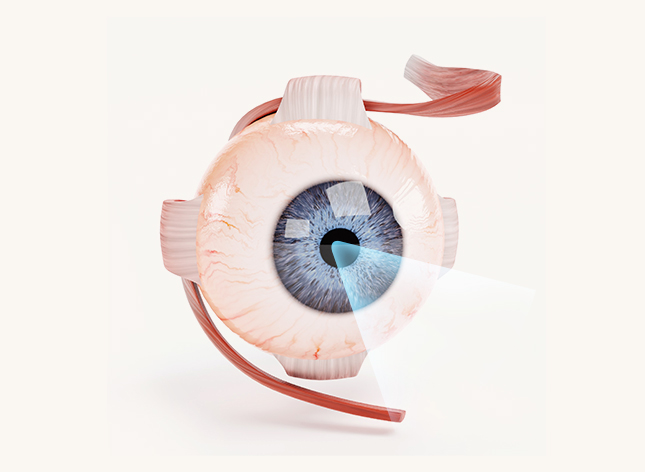
Sports Eye Safety: Protecting Your Vision During Exercise in Seoul
Essential eye protection guidance for active residents in Yeongdeungpo, Guro, Gasan & Gwanak
Q. What is sports eye safety — and why does it matter in Seoul?
Sports eye safety refers to the practices and protective measures that prevent eye injuries during physical activity. In Seoul, where outdoor sports, badminton halls, swimming pools, and martial arts studios are part of daily life, eye injuries from sports are more common than most people realise. According to the Korean Ophthalmological Society, sports-related eye trauma accounts for a significant portion of preventable vision loss in Korea — yet the majority of injuries can be avoided with proper protective eyewear and awareness.
Q. Which sports carry the highest risk of eye injury in Korea?
Sports eye safety is a concern across many disciplines popular in Seoul. Racket sports such as badminton, squash, and tennis pose a particularly high risk — a shuttlecock can travel at over 300 km/h and cause severe blunt trauma to the eye. Martial arts including taekwondo, hapkido, and boxing carry risks from direct strikes, while contact sports such as football and basketball frequently result in finger pokes and elbow impacts. Even swimming and water sports require attention: pool chemicals can irritate the cornea and contact lenses should never be worn in the water. The Yeongdeungpo, Guro, and Gasan areas of Seoul are home to numerous sports facilities, and we see preventable eye injuries at Nunehim Eye Center on a regular basis.
📊 Eye Injury & Vision Statistics in Korea
- ▸ Sports-related eye injuries account for approximately 30% of all traumatic eye injuries in Korea (Korean Ophthalmological Society)
- ▸ Nearly 97% of Koreans aged 12–18 are myopic — making lens-related sports injuries particularly relevant in Yeongdeungpo, Guro, and Gasan
- ▸ Over 90% of sports eye injuries are preventable with appropriate protective eyewear
- ▸ Racket sports (badminton, squash) are the leading cause of sports eye trauma seen in Seoul clinics
Q. What protective eyewear should I use for sports in Seoul?
The most effective way to practise sports eye safety is to wear purpose-designed protective eyewear. Standard prescription glasses and fashion sunglasses do not meet the impact-resistance standards required for sport. Look for sports goggles certified to ASTM F803 or ANSI Z87.1 standards — these are available at ophthalmology clinics and sports retailers in Yeongdeungpo and Guro. Polycarbonate lenses are the preferred material: they are 10 times more impact-resistant than regular plastic and naturally filter UV light.
For patients who wear glasses or contact lenses, prescription sports goggles are an excellent option. At Nunehim Eye Center, Dr. Daniel Baik, board-certified ophthalmologist, can advise on the most appropriate protective eyewear for your prescription and preferred sport. Patients from Gasan and Gwanak regularly visit our clinic for sports eye safety consultations before taking up new activities.
Q. Are contact lenses safe to wear during exercise?
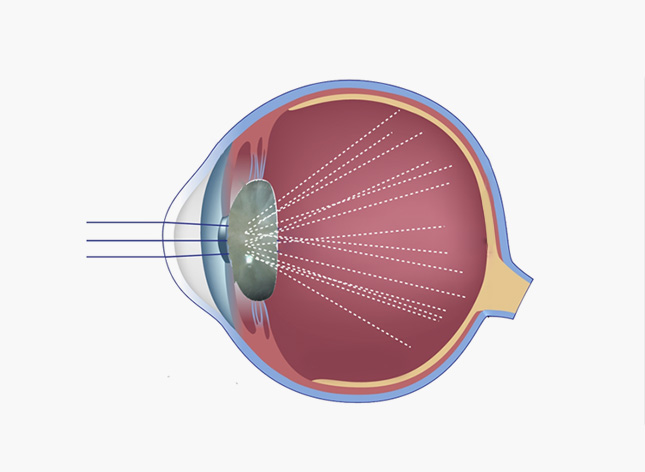
Contact lenses are generally safe for most dry-land sports, but there are important caveats. Soft contact lenses can be dislodged by a direct impact, leaving the eye unprotected. They also increase the risk of infection if worn while swimming, as waterborne pathogens — including acanthamoeba — can adhere to the lens surface. Swimmers in Seoul’s public pools should always remove contact lenses before entering the water.
For patients considering a more permanent solution, Dr. Daniel Baik at Nunehim Eye Center in Yeongdeungpo specialises in TransPRK and 2-Day LASEK, which can eliminate the need for glasses or contacts during sport. OK lens (orthokeratology) is another excellent option: worn overnight, these lenses reshape the cornea so vision is clear throughout the day — including during exercise — without any lenses in the eye. This is particularly popular with young athletes in Guro and Gasan.
Q. When should I seek emergency eye care after a sports injury in Seoul?
- Sudden loss or blurring of vision following any impact
- Visible blood inside the eye (hyphema) or on the surface
- Severe eye pain that does not resolve within minutes
- A foreign object embedded in the eye — do not rub or attempt removal
- Double vision after a head or facial impact
- Flashes of light or a sudden increase in floaters (may indicate retinal detachment)
🟢 Lower Risk
Swimming (goggles required), cycling (visor/glasses), running, yoga, golf. Protective eyewear still recommended, especially for contact lens wearers.
🟡 Moderate Risk
Basketball, football (soccer), baseball, volleyball. High-impact polycarbonate goggles strongly recommended, especially in Guro and Gwanak community leagues.
🔴 Higher Risk
Badminton, squash, taekwondo, boxing, ice hockey. Certified sports goggles or full-face guards are essential. These sports account for the majority of cases seen at Nunehim Eye Center.
Dr. Daniel Baik, Board-Certified Ophthalmologist
“I see sports-related eye injuries in our clinic in Yeongdeungpo every week — and the majority were entirely preventable. Whether you play badminton in Guro, football in Gwanak, or swim in Gasan, investing in proper protective eyewear is one of the most important things you can do for your long-term vision. If you’ve had a recent eye injury or want advice on the right eyewear for your sport, please come in for a consultation. We offer appointments in both Korean and English.”
❓ Frequently Asked Questions
Q. Can I play sports after LASEK or TransPRK surgery?
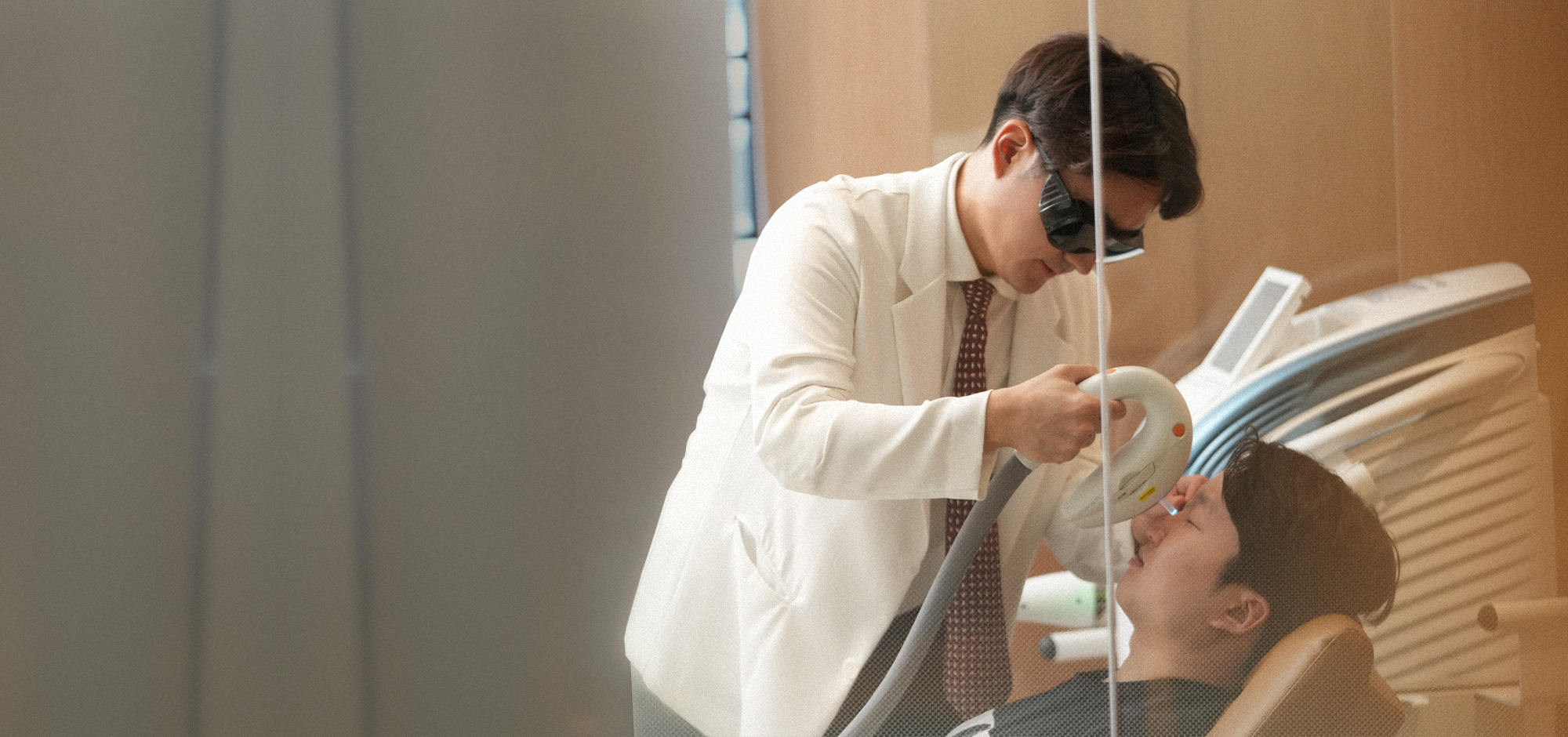
Most patients can resume light exercise within 1–2 weeks of TransPRK or 2-Day LASEK at Nunehim Eye Center. Contact sports and swimming typically require a longer wait of 4–6 weeks. Dr. Daniel Baik will provide a personalised recovery plan tailored to your sport and lifestyle.
Q. Are swimming goggles enough protection for pool exercise?
Swimming goggles protect the eyes from pool chemicals and waterborne pathogens. They also prevent contact lenses from washing out. However, for competitive swimming or water polo where impacts are possible, ensure your goggles have polycarbonate lenses. Prescription swimming goggles are available for patients with myopia or astigmatism.
Q. My child plays badminton in Gasan — do they need protective goggles?
Yes, absolutely. Children’s eyes are especially vulnerable to shuttlecock-related injury, and badminton is one of the highest-risk sports for eye trauma in Korea. Nunehim Eye Center sees pediatric patients from Gasan, Guro, and Gwanak and can fit children with age-appropriate sports goggles, including prescription options for myopic children.
Q. I got hit in the eye during taekwondo — what should I do?
Do not rub the eye. If vision is affected, there is significant pain, or you notice any redness or swelling of the white of the eye (hyphema), visit an ophthalmologist immediately. Nunehim Eye Center in Yeongdeungpo offers urgent consultations. Even if symptoms seem mild, a dilated eye examination within 24 hours is advisable to rule out retinal damage.
Q. Do I need UV-protection eyewear for outdoor sports in Seoul?
Yes. UV exposure during outdoor exercise — running, cycling, and hiking in Seoul’s parks and hills — contributes to long-term risks including cataracts, pterygium, and macular degeneration. Look for sunglasses or sports goggles with UV400 protection. Wrap-around styles offer the best coverage for active use in Guro, Gwanak, and Yeongdeungpo.
Q. Can OK lens (orthokeratology) help with sports eye safety?
OK lens is an excellent option for active patients. Worn overnight, OK lenses temporarily reshape the cornea so you enjoy clear vision throughout the day without glasses or contact lenses in your eyes. This eliminates the risk of lenses dislodging during sport and is especially popular with young athletes in Gasan and Guro attending Nunehim Eye Center.
Q. Is Nunehim Eye Center convenient for patients in Guro and Gwanak?
Yes. Our clinic is located in Yeongdeungpo-gu, Seoul, with easy access via public transport from Guro, Gasan, Gwanak, and Dongjak. We offer appointments in both Korean and English, making us a convenient choice for expats and international residents in Seoul who need sports eye safety advice or treatment.

Protect Your Vision — Book a Sports Eye Safety Consultation
Serving patients from Yeongdeungpo, Guro, Gasan & Gwanak. Korean & English consultations available.
📍 Visit Nunehim Eye Center — Yeongdeungpo, Seoul
Convenient access from Guro, Gasan, Gwanak & Dongjak. Near Guro Digital Complex Station (Line 2).
📍 Address
Yeongdeungpo-gu, Seoul
nunehim.com
🕐 Hours
Mon–Fri: 9am–6pm
Saturday: 9am–1pm
🌐 Languages
Korean & English consultations available


Leave a comment