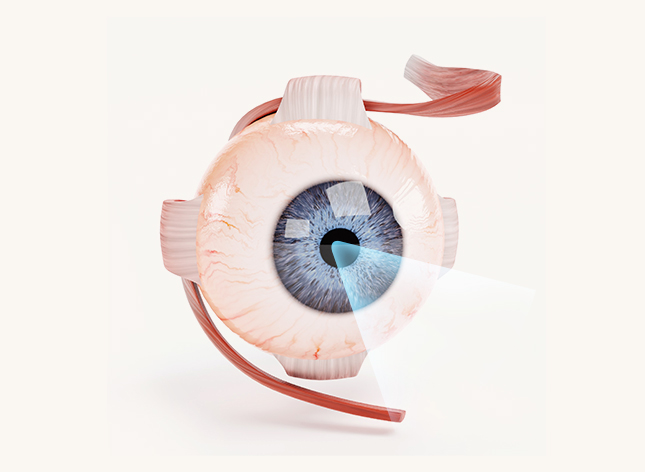
Can Screens Really Damage Your Eyes?
Digital Eye Strain Facts — Explained by Dr. Daniel Baik at Nunehim Eye Center, Guro · Yeongdeungpo · Gasan, Seoul
Q. Can screens really damage your eyes?
Screens do not permanently damage your eyes, but prolonged screen use causes digital eye strain — a real and increasingly common condition affecting millions of Koreans. Symptoms include dry eyes, blurred vision, headaches, and eye fatigue. The good news: with proper habits and professional care from an ophthalmologist in Yeongdeungpo or Guro, it is entirely manageable.
Q. What exactly is digital eye strain?
Digital eye strain — also called Computer Vision Syndrome (CVS) — refers to a group of eye and vision problems that result from prolonged use of computers, smartphones, tablets, and other digital screens. In Seoul, where screen time is among the highest in the world, this condition affects children, office workers, and older adults alike. Residents of Guro, Yeongdeungpo, Gasan, and Gwanak who spend long hours in front of digital devices are especially at risk.
📊 Digital Eye Strain in Korea — Key Statistics
- ▸ Average Korean adult spends 9.5+ hours per day looking at screens (2024 KNHANES)
- ▸ Over 60% of Koreans report eye fatigue symptoms related to screen use
- ▸ Myopia rate in Korean children exceeds 80% — screen time is a major contributing factor
- ▸ Blue-light-related complaints rose 40% at Korean eye clinics in the past 5 years
Q. What are the symptoms of digital eye strain?
- Dry, irritated, or burning eyes
- Blurred or double vision after screen use
- Headaches, especially around the forehead and temples
- Neck and shoulder pain from poor posture at screens
- Difficulty focusing between near and far objects
- Increased sensitivity to light
- Watery eyes (a paradoxical response to dryness)
Q. How is digital eye strain treated?
Treatment depends on the underlying cause. At Nunehim Eye Center in Yeongdeungpo, Dr. Daniel Baik takes a holistic approach — combining thorough eye examination with personalised management strategies. For most patients, lifestyle adjustments combined with professional intervention bring significant relief within weeks.
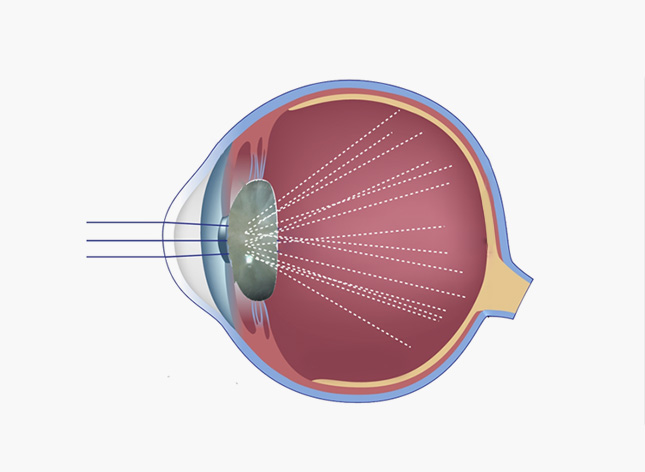
Key interventions include prescription glasses or contact lenses optimised for screen use, dry eye treatment (artificial tears, punctal plugs, IPL therapy), and OK lens (orthokeratology) therapy for patients — especially children in Guro and Gwanak — with progressing myopia worsened by screen time.
Q. How can I prevent screen-related eye problems?
The 20-20-20 rule is the most evidence-based starting point: every 20 minutes, look at something 20 feet (6 metres) away for at least 20 seconds. This reduces accommodative spasm — the leading cause of blurred vision and headaches after screen use.
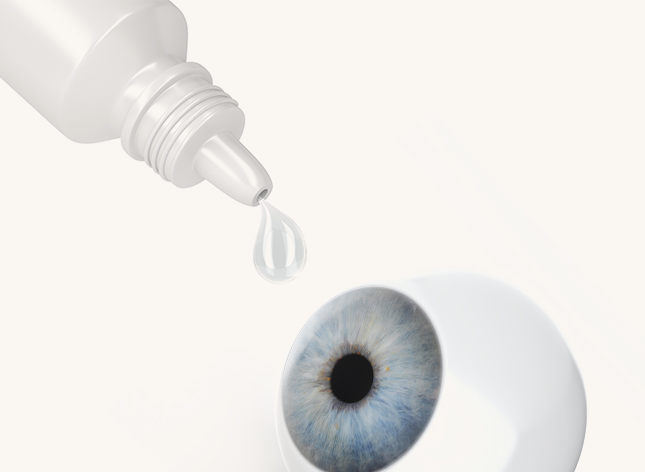
Additionally, maintain proper screen distance (50–70 cm), reduce screen brightness to match your environment, use preservative-free artificial tears if your eyes feel dry, and ensure your working area has adequate, non-glare lighting. Residents near Gasan Digital Complex who spend all day at screens should schedule a comprehensive eye exam at Nunehim Eye Center at least once a year.
Q. When should I see a doctor about screen-related eye problems?
- Symptoms persist even after resting your eyes
- Vision remains blurry away from screens
- You notice floaters, flashes, or sudden vision changes
- Eye pain is severe or accompanied by redness
- A child is squinting, sitting too close to screens, or complaining of headaches regularly
- You rely on screens for work and symptoms are affecting productivity
🖥️ Work Screen Tips
Use a matte screen filter, position monitor at eye level, increase text size, and take 5-minute breaks hourly. Ideal for Guro Digital Complex office workers.
📱 Smartphone Habits
Hold your phone at least 30 cm from your eyes. Enable night mode after sunset. Avoid using your phone in a dark room. Limit use before bed to protect sleep quality.
👶 Children’s Screen Time
In Korea, children’s myopia is worsening rapidly. Limit screens to under 2 hours/day for school-age children in Yeongdeungpo, Gwanak and Gasan. OK lens therapy can slow myopia progression.
A Note from Dr. Daniel Baik
“In my practice at Nunehim Eye Center in Yeongdeungpo, I see digital eye strain almost every day — in students, programmers, and professionals who rely on screens to do their work. What I want patients to understand is that the discomfort they feel is real and treatable, but ignoring it can allow underlying conditions like dry eye disease or uncorrected refractive error to worsen. A simple annual eye exam is the single most effective step you can take for your long-term screen health.”
— Dr. Daniel Baik, board-certified ophthalmologist, Nunehim Eye Center, Seoul
❓ Frequently Asked Questions
Q. Does blue light from screens damage eyes permanently?
Current research does not confirm that blue light from screens causes permanent retinal damage at typical exposure levels. However, blue light does disrupt sleep-wake cycles and contributes to eye discomfort. Blue-light-filtering lenses may help with comfort, though evidence for preventing structural eye damage remains limited.
Q. Why are my eyes dry after using a computer?
When concentrating on a screen, people blink less frequently — sometimes as little as one-third the normal rate. Reduced blinking means tears evaporate faster than they are replenished, leading to dry eye symptoms. Preservative-free artificial tears and deliberate blinking exercises can help.
Q. Are anti-glare glasses worth it for screen users?
Anti-reflective coatings can reduce glare from overhead lighting reflecting off your lenses, making your screen easier to look at. For patients at Nunehim Eye Center in Yeongdeungpo, Dr. Baik recommends anti-reflective coatings for all prescription glasses worn primarily indoors for screen work.
Q. Can screen use worsen myopia in children?
Yes. Sustained near work — including screen use — is associated with myopia progression, particularly in children under 15. Korean studies show children in Gwanak, Guro, and Gasan who spend over 3 hours per day on screens have significantly higher rates of myopia progression. OK lens therapy (orthokeratology) at Nunehim Eye Center can help slow this.
Q. How often should screen users get an eye exam?
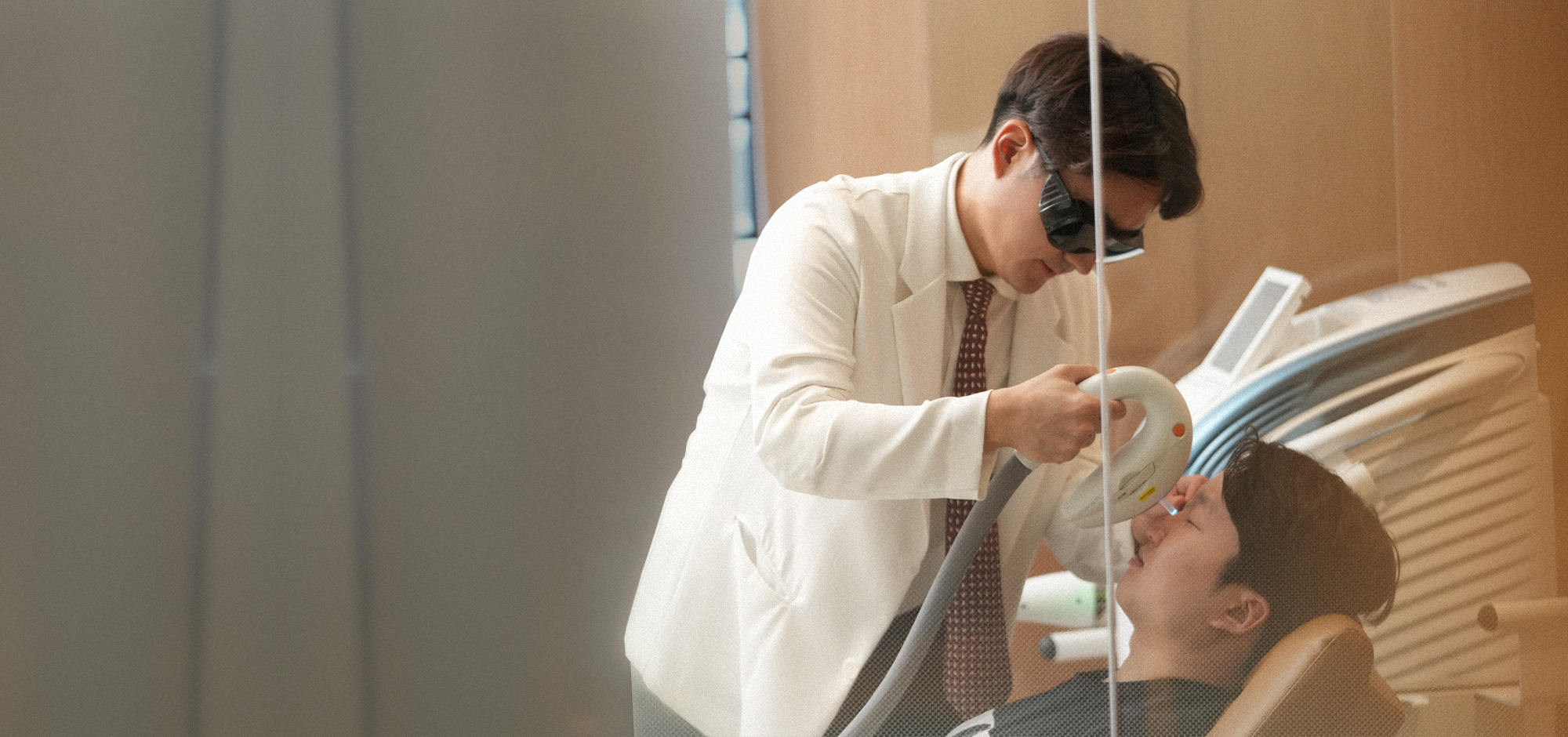
Adults who use screens for more than 6 hours a day should have a comprehensive eye exam annually. Children should be seen every 6–12 months. At Nunehim Eye Center, we offer full digital eye strain assessments and can detect early signs of dry eye disease, glaucoma, or myopia progression.
Q. Is TransPRK/2-Day LASEK better than glasses for screen workers?
For eligible patients, TransPRK or 2-Day LASEK can eliminate the need for glasses or contacts, reducing lens-related glare and making screen work more comfortable. However, dry eye — a common side effect of refractive surgery — must be carefully evaluated beforehand. Dr. Baik assesses each patient individually at Nunehim Eye Center.
Q. Does the 20-20-20 rule actually work?
Yes — the 20-20-20 rule is backed by clinical evidence. Looking at a target 6 metres away for 20 seconds every 20 minutes relaxes the ciliary muscle, reduces accommodative spasm, and allows the blink rate to normalise. It is the single easiest habit change for screen workers in Yeongdeungpo and beyond.

Experiencing Digital Eye Strain in Seoul?
Book a comprehensive eye exam at Nunehim Eye Center. Serving Guro, Yeongdeungpo, Gasan, and Gwanak. Korean & English consultations available.
📍 Visit Nunehim Eye Center — Guro, Seoul
Convenient access from Guro, Gasan, Gwanak & Dongjak. Near Guro Digital Complex Station (Line 2).
📌 Address
Guro-gu, Seoul
nunehim.com
🕐 Hours
Mon–Fri: 9:00 – 18:00
Saturday: 9:00 – 13:00
🌐 Languages
Korean & English consultations available with Dr. Daniel Baik


Leave a comment