Retinal Tear vs Retinal Detachment: Key Differences to Know
Expert guide from Dr. Daniel Baik, board-certified ophthalmologist — Nunehim Eye Center, Yeongdeungpo · Guro · Gasan, Seoul
Q. What is the difference between a retinal tear and retinal detachment?
A retinal tear is a break in the retinal tissue — serious, but treatable with in-office laser before fluid passes through. A retinal detachment occurs when that fluid separates the retina from the underlying tissue — a sight-threatening emergency requiring urgent surgery. Understanding the difference between retinal tear vs detachment could save your vision. If you are in Yeongdeungpo, Guro, Gasan, or Gwanak and experience sudden floaters or flashes, seek immediate care.
Q. What is a retinal tear?
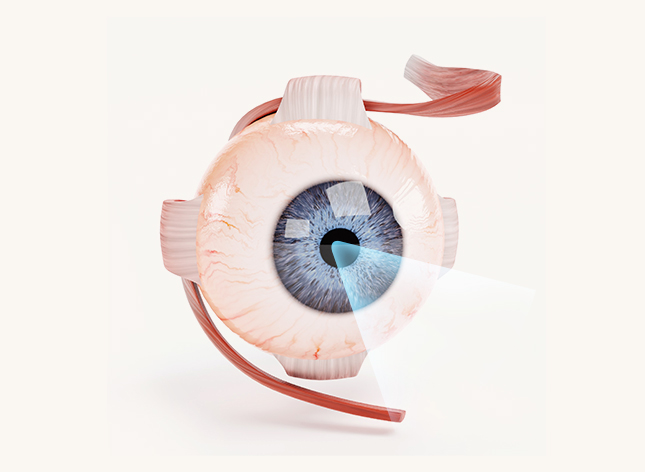
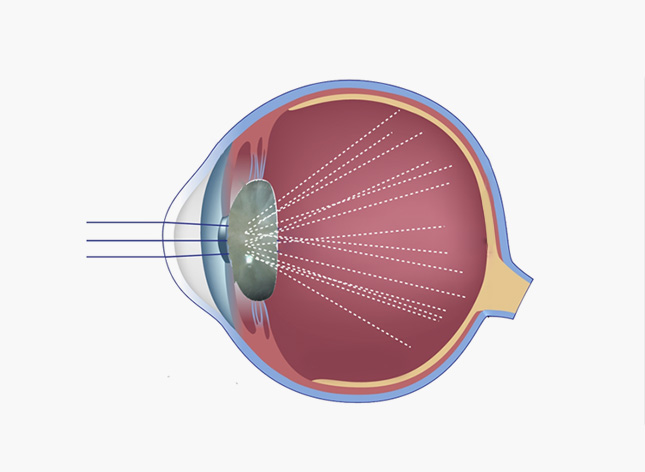
The retina is the thin layer of light-sensitive tissue lining the back of your eye. A retinal tear occurs when the vitreous gel (the clear substance filling the eye) shrinks with age and pulls on the retina, creating a break. This process — called posterior vitreous detachment (PVD) — is common after age 50, but can occur earlier in highly myopic individuals, which is especially relevant in Seoul where near-100% myopia rates are seen in young adults across Guro, Yeongdeungpo, Gwanak, and Gasan.
📊 Retinal Disease in Korea — Key Statistics
- ▸ Korea has one of the world’s highest rates of high myopia — a major risk factor for retinal tears
- ▸ High myopia (>-6D) increases retinal detachment risk by 6–8× compared to emmetropes
- ▸ Retinal detachment affects approximately 1 in 10,000 Koreans per year
- ▸ Over 90% of myopic students in Seoul have axial elongation that increases retinal tear risk
Q. What are the symptoms of a retinal tear vs retinal detachment?
- Retinal Tear: Sudden onset of new floaters (spots, cobwebs, or strings in vision), flashing lights (photopsia), or a brief shadow at the edge of vision
- Retinal Detachment: A dark curtain or shadow spreading across your visual field, sudden significant loss of vision, a large number of new floaters appearing at once
- Either condition may begin with floaters and flashes — do not wait to see if symptoms improve
- Painless vision loss is a hallmark of retinal detachment — it does NOT hurt
Q. How is a retinal tear treated?
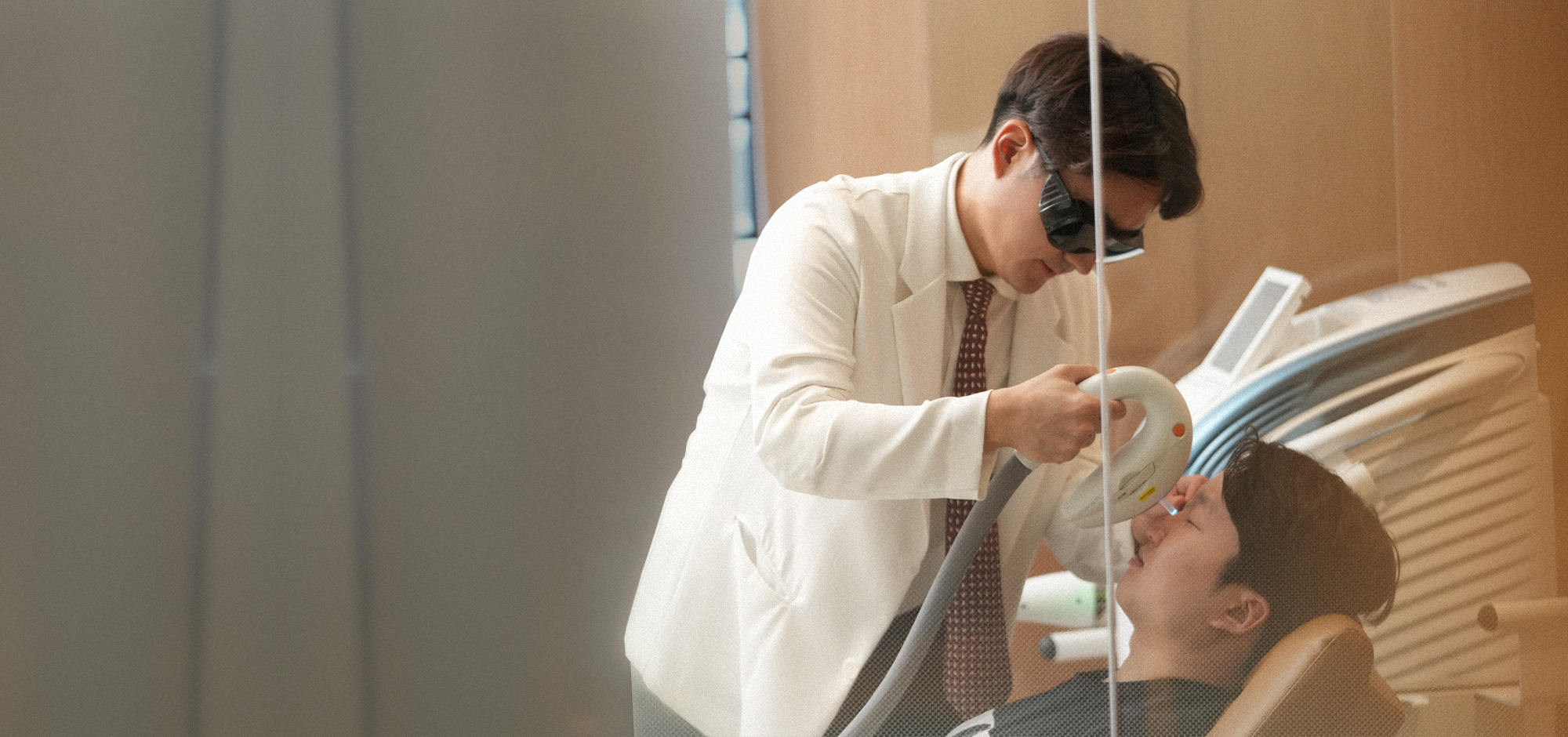
A retinal tear caught before fluid passes through can usually be sealed with laser photocoagulation (retinopexy) — a quick, in-office procedure that takes about 15 minutes. The laser creates small burns around the tear, causing the surrounding tissue to scar and adhere, sealing the break so fluid cannot pass through to cause a detachment.
At Nunehim Eye Center in Yeongdeungpo, Dr. Daniel Baik performs this procedure and closely monitors high-risk patients — including highly myopic individuals from Guro, Gwanak, and Gasan — for early signs of tears before they progress.
Q. How is retinal detachment treated?
Retinal detachment is a surgical emergency. Treatment options include pneumatic retinopexy (gas bubble injection), scleral buckling (silicone band placed around the eye), or vitrectomy (removing the vitreous and replacing with gas or silicone oil). The chosen method depends on the tear location, detachment extent, and patient factors.
Outcomes are dramatically better when surgery is performed before the detachment reaches the macula. If you experience a curtain of darkness over your vision in Yeongdeungpo, Guro, or anywhere in Seoul — treat it as an emergency and seek care immediately.
Q. When is a retinal tear a medical emergency?
- Any sudden appearance of many new floaters — especially a “shower” of black dots
- Flashing lights in peripheral vision, especially in darkness
- A grey or dark curtain moving across your visual field
- Sudden loss of part or all of your central vision
- Any combination of floaters + flashes in a highly myopic person (>-6D)
- Vision change after a blow to the head or eye trauma
🔶 Retinal Tear
Break in retinal tissue. Treatable with in-office laser. Must be monitored closely. Common in high myopes in Guro and Gwanak. Not always an emergency if caught early.
🚨 Retinal Detachment
Retina separates from eye wall. Requires urgent surgery. Risk of permanent vision loss increases with delay. Macula-off detachment has worse prognosis. Always an emergency.
🛡️ Prevention
Annual dilated fundus exam for all high myopes. Avoid heavy lifting / contact sports without protective eyewear. Report new floaters or flashes immediately at Nunehim Eye Center, Yeongdeungpo.
A Note from Dr. Daniel Baik
“Retinal tears and detachments are among the most serious conditions I manage at Nunehim Eye Center in Yeongdeungpo. Given that Seoul — including Guro, Gasan, and Gwanak — has extremely high rates of myopia, these conditions are not rare here. What I stress to every patient is this: new floaters or flashes of light are not something to “watch and wait” with. Come in immediately. A 15-minute laser procedure today could prevent a vision-threatening surgery tomorrow.”
— Dr. Daniel Baik, board-certified ophthalmologist, Nunehim Eye Center, Seoul
❓ Frequently Asked Questions
Q. Can a retinal tear heal on its own?
No. A retinal tear does not heal without treatment. However, not all tears immediately progress to detachment. Some tears — particularly those without fluid behind them — may be monitored closely. The decision to treat or observe requires a dilated fundus examination by a qualified ophthalmologist.
Q. Am I at higher risk if I am highly myopic?
Yes, significantly. High myopia (prescription stronger than -6.00D) is the single biggest modifiable risk factor for retinal tears and detachment. The elongated eyeball in high myopes means the retina is stretched thin and more vulnerable. In Seoul, where high myopia is extremely common in adults from Yeongdeungpo, Gwanak, Guro, and Gasan, annual retinal screening is strongly advised.
Q. How long does laser treatment for a retinal tear take?
Laser photocoagulation (retinopexy) is typically completed in 10–20 minutes in the clinic. You will receive dilating drops and the laser is applied through a special lens. Most patients can return home the same day, though driving is not recommended due to the dilation. Mild discomfort and sensitivity to light may persist for a few hours.
Q. What happens if retinal detachment is not treated?
Untreated retinal detachment causes progressive, permanent vision loss. Once the macula detaches, central vision is severely impaired even after successful surgery. Total blindness in the affected eye can result from complete detachment with prolonged delay. This is why retinal detachment is treated as a medical emergency.
Q. Can TransPRK/LASEK cause retinal detachment?
Surface ablation procedures like TransPRK and 2-Day LASEK reduce myopia by reshaping the cornea — they do not affect the retina. The risk of retinal detachment after surface ablation is not increased by the procedure itself. However, patients undergoing refractive surgery are already myopic and should continue annual retinal screening. Dr. Baik evaluates the retinal periphery of all surgical candidates at Nunehim Eye Center.
Q. Do floaters always mean a retinal tear?
Most floaters are caused by normal age-related vitreous changes and are harmless. However, a sudden increase in floaters — especially when accompanied by flashing lights — has a meaningful probability of indicating a retinal tear, particularly in myopic individuals. Any new or worsening floaters in patients with high myopia should be evaluated promptly.
Q. How often should I have a retinal check if I am myopic?
Patients with mild to moderate myopia should have a dilated fundus exam annually. Those with high myopia (>-6D) or a history of retinal tears should be seen every 6 months. At Nunehim Eye Center in Yeongdeungpo, Dr. Baik provides full retinal assessment as part of comprehensive eye exams for patients from Guro, Gasan, Gwanak, and the surrounding areas of Seoul.

Worried About Floaters or Flashes in Seoul?
Get a dilated retinal exam at Nunehim Eye Center. Serving Guro, Yeongdeungpo, Gasan, and Gwanak. Korean & English consultations available.
📍 Visit Nunehim Eye Center — Guro, Seoul
Convenient access from Guro, Gasan, Gwanak & Dongjak. Near Guro Digital Complex Station (Line 2).
📌 Address
Guro-gu, Seoul
nunehim.com
🕐 Hours
Mon–Fri: 9:00 – 18:00
Saturday: 9:00 – 13:00
🌐 Languages
Korean & English consultations available with Dr. Daniel Baik


Leave a comment