Cataracts vs Normal Ageing: How to Tell the Difference
Expert insight from Dr. Daniel Baik, board-certified ophthalmologist | Nunehim Eye Center, Yeongdeungpo · Guro · Gasan · Gwanak, Seoul
Q. What Is the Difference Between Cataracts and Normal Ageing of the Eyes?
Normal ageing causes gradual, mild changes in vision — such as difficulty reading small print (presbyopia) — while cataracts symptoms involve progressive clouding of the eye’s natural lens, leading to blurry or foggy vision, increased glare, and eventually significant vision loss if untreated. Cataracts are a medical condition, not a natural phase of ageing, and can be treated with surgery. If you notice your vision is worsening beyond mild difficulty focusing, an eye examination at Nunehim Eye Center in Guro, Seoul is recommended.
Q. What Exactly Are Cataracts?
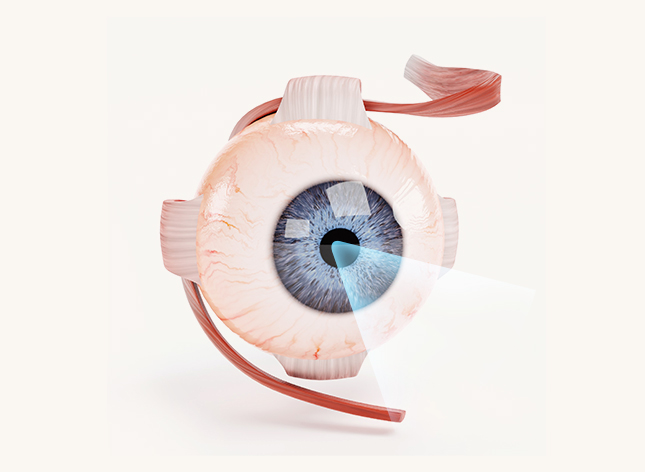
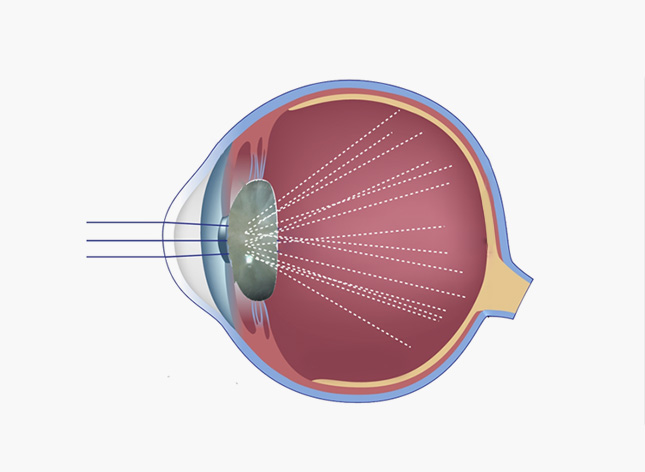
A cataract is a clouding of the crystalline lens inside the eye. The lens — normally clear — focuses light onto the retina to produce sharp images. When proteins within the lens break down and clump together over time, the lens becomes cloudy, scattering light rather than focusing it clearly. The result is blurry, faded, or foggy vision that worsens progressively. Cataracts symptoms ageing is one of the most searched eye health topics in Korea because the two conditions share superficial similarities. However, cataracts are a treatable disease, not an inevitable part of growing older. In Seoul’s Guro, Yeongdeungpo, Gasan, and Gwanak districts — areas with a large working-age and senior population — cataract awareness is critically important.
📊 Cataracts in Korea: Key Facts
▸ Cataracts are the leading cause of vision loss in South Korea, affecting an estimated 1.5 million Koreans aged 60 and over.
▸ By age 75, more than 70% of Koreans will develop a clinically significant cataract in at least one eye.
▸ Korea performs over 700,000 cataract surgeries annually — among the highest rates per capita in Asia.
▸ In Seoul alone, residents of areas like Yeongdeungpo, Guro, Gasan, and Gwanak account for tens of thousands of cataract-related outpatient visits each year.
Q. What Are the Symptoms of Cataracts vs Normal Age-Related Vision Changes?
Normal ageing of the eyes involves gradual changes such as presbyopia (difficulty focusing up close), slight reduction in contrast sensitivity, and slower adaptation to darkness. These changes are typically mild and manageable with corrective lenses. Cataracts, however, present with a distinct set of symptoms that worsen over time:
- Blurry, hazy, or foggy vision that does not improve with glasses
- Increased sensitivity to glare from headlights, sunlight, or lamps
- Colours appearing faded, yellowed, or washed out
- Frequent prescription changes with temporary improvement
- Double vision in one eye
- Difficulty reading even with reading glasses
- A visible cloudy or white film over the pupil (in advanced cases)
Q. What Causes Cataracts to Develop?
The most common cause is simply age-related protein breakdown in the lens. However, several factors accelerate cataract development:
UV exposure — Korea’s high UV index in summer months accelerates lens protein damage. Wearing UV400 sunglasses is recommended, particularly in outdoor-heavy areas. Diabetes — diabetic cataracts can develop earlier and progress faster. Steroid medications — long-term use increases posterior subcapsular cataract risk. Eye injuries — traumatic cataracts may develop in younger patients. Smoking — doubles the risk of nuclear cataracts. For patients in Guro, Yeongdeungpo, Gasan, and Gwanak who have one or more of these risk factors, regular eye exams starting from age 40 are strongly advised.
Q. When Should You See an Eye Doctor in Seoul?
Do not wait until vision loss is severe. Seek an eye examination promptly if you notice any of the following:
- Vision has become blurry and does not improve with your current glasses
- Night driving has become difficult or dangerous due to glare
- You need significantly brighter light to read than before
- Colours look noticeably different or duller in one eye compared to the other
- Your glasses prescription has changed significantly within the past year
- You have diabetes, are a smoker, or have a family history of early cataracts
🔵 Stage 1: Early Cataract
Slight cloudiness or halo effects. Vision still functional with glasses. Annual eye exams recommended. Most patients in Yeongdeungpo and Guro can continue normal activities.
🟡 Stage 2: Moderate Cataract
Noticeable glare, colour changes, and reading difficulty. Glasses no longer fully compensate. Surgical consultation is recommended. Common presentation among patients aged 60–70 in Gasan and Gwanak.
🔴 Stage 3: Advanced Cataract
Severe vision impairment affecting daily life, driving, and work. Cataract surgery is the only effective treatment. After surgery, most patients achieve 20/20 or better uncorrected vision.
A Note from Dr. Daniel Baik
“In my clinic at Nunehim Eye Center, I frequently see patients who have been attributing cataract symptoms to normal ageing for years before seeking care. The key distinction I always emphasise: if your blurry vision cannot be corrected with a new glasses prescription, it is time for a proper lens examination. Cataracts are one of the most treatable causes of vision loss — and with modern phacoemulsification surgery, most patients recover excellent vision within days. Patients from Guro, Yeongdeungpo, Gasan, and Gwanak do not need to travel far for world-class cataract care.”
— Dr. Daniel Baik, Board-Certified Ophthalmologist, Nunehim Eye Center (눈에힘안과), Guro · Seoul
❓ Frequently Asked Questions: Cataracts vs Ageing
Q. Can cataracts develop in people under 60?
Yes. While age-related cataracts are most common after 60, congenital cataracts can be present at birth, and secondary cataracts can develop at any age due to diabetes, steroid use, eye trauma, or excessive UV exposure. Younger patients in Guro and Yeongdeungpo with risk factors should have annual eye exams.
Q. Is cataract surgery safe and how long is recovery?
Cataract surgery (phacoemulsification) is one of the safest and most commonly performed surgical procedures in the world. The cloudy lens is removed and replaced with a clear artificial intraocular lens (IOL). Most patients resume normal daily activities within 1–3 days. Full visual stabilisation typically occurs within 4–6 weeks. At Nunehim Eye Center, we provide pre- and post-operative care in both Korean and English.
Q. Can I delay cataract surgery if my vision is only mildly affected?
In early-stage cataracts, surgery can often be delayed if vision is still functional for daily tasks. However, waiting too long (a “hypermature” cataract) can complicate the procedure. Regular monitoring — every 6 to 12 months — at an eye clinic in Guro or Gwanak helps determine the optimal timing for your individual situation.
Q. Can cataracts come back after surgery?
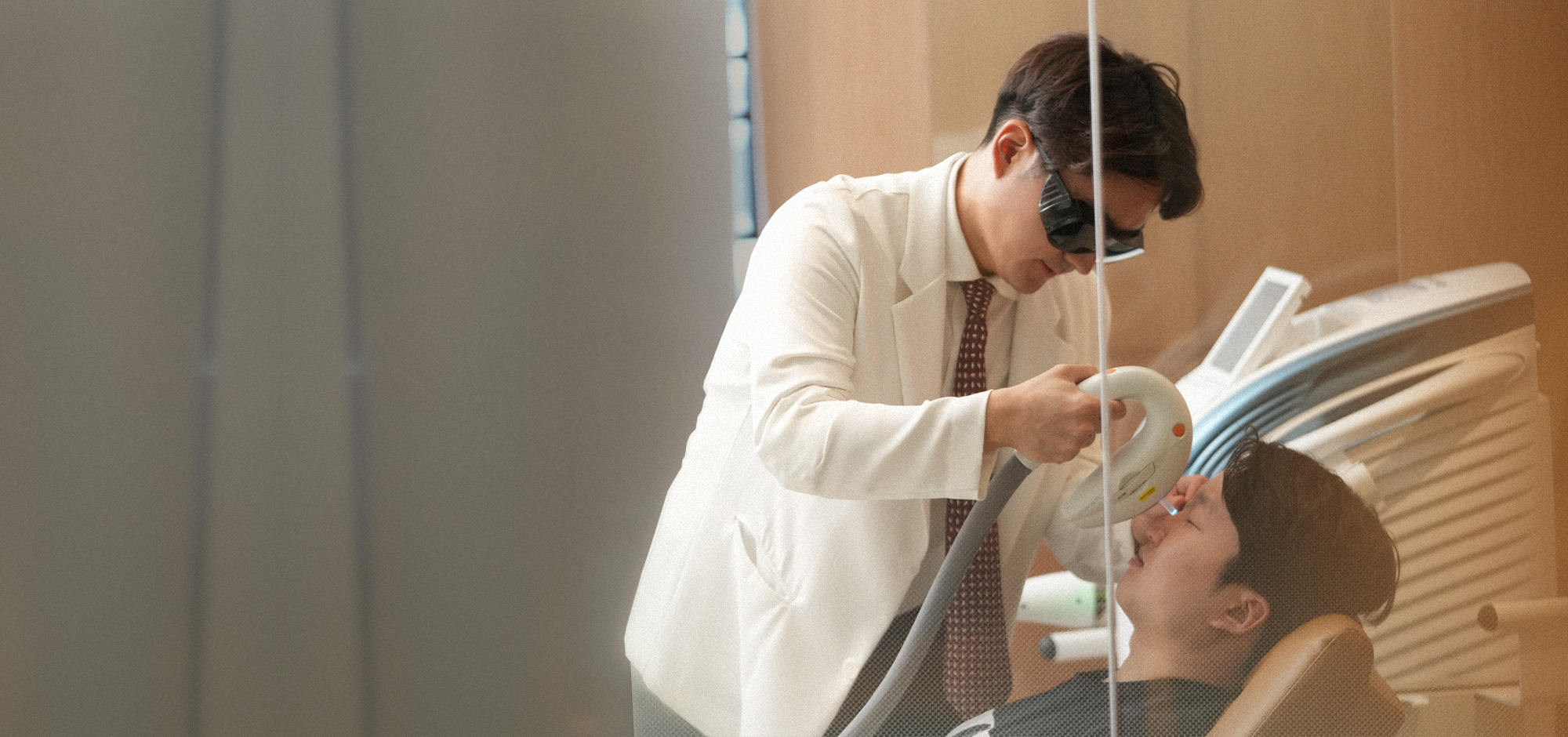
The artificial IOL implanted during cataract surgery does not cloud up. However, a small number of patients (20–40%) develop posterior capsule opacification (PCO) — sometimes called a “secondary cataract” — months to years later. This is easily and painlessly treated in minutes with a YAG laser procedure at our Yeongdeungpo clinic, with no recovery time.
Q. Does national health insurance (건강보험) cover cataract surgery in Korea?
Standard cataract surgery with a monofocal IOL is covered by Korean national health insurance (NHIS) for eligible patients. Premium IOLs — such as multifocal or toric lenses — involve additional out-of-pocket costs. Expats with private Korean health insurance should check their plan details. At Nunehim Eye Center, we assist both Korean and English-speaking patients with insurance paperwork.
Q. Are there lifestyle changes that can slow cataract progression?
While there is no proven medication or supplement to reverse cataracts, certain habits can slow their progression: wearing UV400 sunglasses outdoors (especially important in Seoul’s summer months in Gasan and Gwanak), quitting smoking, maintaining stable blood sugar levels if diabetic, and eating a diet rich in antioxidants (vitamins C and E, lutein). These are not cures, but sensible protective measures.
Q. Can I have cataract surgery and LASEK or OK lens treatment together?
Cataract surgery and refractive procedures like TransPRK/2-Day LASEK or OK lens (orthokeratology) address different conditions. Cataract surgery replaces the clouded natural lens, while LASEK reshapes the cornea to correct refractive error. In some cases, patients benefit from sequential treatments. Dr. Baik at Nunehim Eye Center provides comprehensive consultations to determine the best approach for your individual eye health and lifestyle in Seoul.

Concerned About Your Vision? Book a Consultation in Seoul
Dr. Daniel Baik and the Nunehim Eye Center team offer expert cataract evaluation and eye care in both Korean and English. Serving patients from Guro, Yeongdeungpo, Gasan, Gwanak, and across Seoul.
📍 Visit Nunehim Eye Center — Guro, Seoul
Convenient access from Guro, Gasan, Gwanak & Dongjak. Near Guro Digital Complex Station (Line 2).
📌 Address
Yeongdeungpo-gu, Seoul
nunehim.com
🕐 Hours
Mon–Fri: 9:00 – 18:00
Saturday: 9:00 – 13:00
🌐 Languages
Korean & English consultations available


Leave a comment