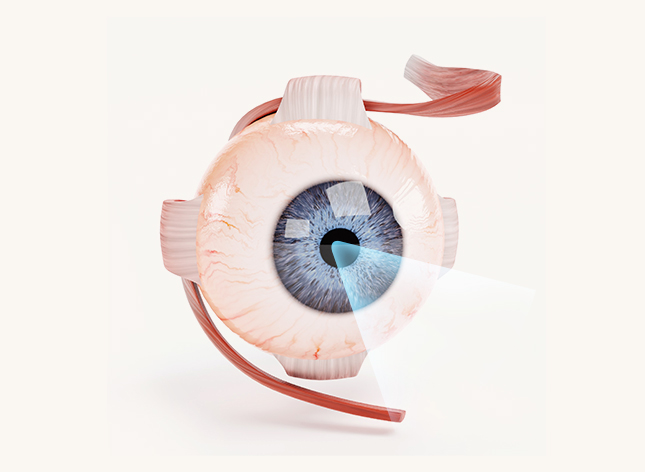
Eye Allergies in Spring Seoul: Pollen, Dust & Relief
Your guide to managing seasonal allergic conjunctivitis in Yeongdeungpo, Guro & Gasan
Q. What are eye allergies and why are they worse in spring Seoul?
Eye allergies (allergic conjunctivitis) in spring Seoul are triggered by high pollen counts from pine, birch, and oak trees combined with fine dust (PM2.5) and yellow dust (황사) blowing in from China. In Yeongdeungpo, Guro, and Gasan districts, urban pollution amplifies allergen exposure, causing intense itching, redness, tearing, and eyelid swelling that can peak between March and May.
Q. What exactly is allergic conjunctivitis?
Allergic conjunctivitis is an inflammation of the conjunctiva — the thin transparent layer covering the white of your eye — triggered by immune hypersensitivity to airborne allergens. In Seoul, the spring season brings a “double hit”: tree pollen counts peak in April while fine dust levels remain elevated through May. Residents of Guro, Yeongdeungpo, and Gasan face above-average exposure due to the industrial and transit corridors in these districts.
📊 Eye Allergy Facts in Korea
- ▸ Up to 30% of Seoul residents experience seasonal allergic conjunctivitis each spring
- ▸ Korea’s annual yellow dust (황사) events have increased by 40% over the past decade
- ▸ Spring pollen season in Seoul peaks between late March and early May
- ▸ PM2.5 levels in Yeongdeungpo and Guro frequently exceed WHO daily safe limits in spring
Q. What are the typical symptoms of spring eye allergies?
- Intense eye itching (the hallmark symptom — resist rubbing!)
- Redness and pink/red discoloration of the whites of the eye
- Watery, clear discharge (not green or yellow — that suggests infection)
- Eyelid swelling, especially in the morning
- Sensitivity to light (photophobia)
- Feeling of grittiness or a foreign body sensation
- Blurred vision from mucous strands or excessive tearing
Q. How are eye allergies treated in Seoul?
At Nunehim Eye Center in Yeongdeungpo-gu, Seoul, Dr. Daniel Baik takes a stepwise approach to treating allergic conjunctivitis. For mild seasonal symptoms, topical antihistamine drops (e.g., olopatadine, ketotifen) used twice daily are highly effective. Mast cell stabilizers can be started before pollen season peaks as preventive therapy.
For moderate-to-severe cases — especially during heavy yellow dust events common in Guro and Gasan — a short course of mild topical corticosteroids under close supervision may be necessary. Patients should never self-administer steroid drops without an ophthalmologist’s guidance, as prolonged use risks elevated intraocular pressure and cataract formation.
Q. How can I prevent eye allergies during Seoul’s spring?
Prevention is key, especially in high-pollution areas like Gwanak, Gasan, and Yeongdeungpo. Check the Korea Meteorological Administration’s daily pollen and fine dust forecast. On high-alert days, wear wraparound sunglasses outdoors to reduce allergen contact. Avoid touching your eyes — hands pick up allergens from every surface.
Artificial tear drops (preservative-free if used frequently) help flush allergens from the ocular surface throughout the day. Cold compresses applied to closed eyelids for 5–10 minutes reduce eyelid swelling and itch. Replace contact lenses with glasses during peak season, as lenses accumulate allergens and exacerbate symptoms.
Q. When is it an emergency — not just allergies?
- Sudden severe eye pain (not just itching) — may indicate acute glaucoma or corneal ulcer
- Vision loss or blurred vision that does not clear with blinking
- Green or yellow discharge suggesting bacterial infection (requires antibiotics)
- Extreme light sensitivity with a red eye after contact lens wear
- Swollen eyelid with fever — may indicate orbital cellulitis
🌸 Mild
Occasional itching and mild redness. Responds well to antihistamine drops and cold compresses. Avoid rubbing — it releases more histamine.
🌼 Moderate
Persistent itch, significant tearing, and eyelid swelling. Requires prescription antihistamine/mast cell stabilizer combination drops. Ophthalmologist review recommended.
🌪️ Severe (VKC/AKC)
Vernal or atopic keratoconjunctivitis — may cause corneal scarring if untreated. Requires specialist management in Seoul including short-cycle steroids and cyclosporine drops.
From Dr. Daniel Baik, Board-Certified Ophthalmologist
“Spring in Seoul is beautiful, but for my patients in Guro, Gasan, and Yeongdeungpo, it can mean weeks of miserable itching and redness. The most important thing I tell patients is: do not rub your eyes — it dramatically worsens the allergic cascade. Come in early; we can prevent most severe episodes with the right drops started before peak pollen hits.”
— Dr. Daniel Baik | Nunehim Eye Center, Yeongdeungpo-gu, Seoul | nunehim.com
❓ Frequently Asked Questions: Eye Allergies in Seoul
Q. Can I wear contact lenses during spring allergy season in Seoul?
We generally recommend switching to glasses during peak pollen and yellow dust days, especially in Guro and Gwanak areas. If you must wear lenses, use daily disposables (discard each day) and apply antihistamine drops 10 minutes before insertion. Rigid gas-permeable lenses accumulate fewer allergens than soft lenses.
Q. Are antihistamine eye drops available over the counter in Korea?
Yes — ketotifen fumarate drops are available OTC at Korean pharmacies (약국). However, olopatadine (Pataday), which is more effective for many patients, requires a prescription. For persistent or severe symptoms, a visit to Nunehim Eye Center allows us to prescribe combination drops and rule out other diagnoses.
Q. Is allergic conjunctivitis the same as pink eye (conjunctivitis)?
No. “Pink eye” typically refers to infectious (viral or bacterial) conjunctivitis, which is contagious. Allergic conjunctivitis is not contagious — it is an immune response. Key distinguishing features: allergic = intense itch + clear watery discharge; bacterial = mucopurulent (green/yellow) discharge; viral = often follows a cold, unilateral onset, lymph node swelling.
Q. Can children get spring eye allergies in Seoul?
Yes, and it is quite common in school-age children across Seoul, including the Gasan and Gwanak districts. Children often rub their eyes vigorously, which can lead to a condition called keratoconus (corneal thinning) over time. Pediatric eye allergy treatment at Nunehim Eye Center is available in both Korean and English — we see many international families in the Yeongdeungpo area.
Q. Do oral antihistamines (like cetirizine) help eye allergies?
Oral antihistamines provide some systemic relief but are generally less effective for eye symptoms than topical drops, which deliver medication directly to the conjunctiva. They also tend to cause ocular dryness, which can worsen discomfort. Topical antihistamine/mast cell stabilizer drops are the first-line recommended treatment by Korean ophthalmological guidelines.
Q. How long does spring eye allergy season last in Seoul?
Tree pollen season in Seoul typically runs from late February (Japanese cedar) through early May (oak, birch). Yellow dust (황사) events can extend allergy burden through May and occasionally June. Grass pollen follows in June–July, and ragweed pollen affects some patients in late summer. Total potential allergy season: February through September, with spring being the most intense period in the Yeongdeungpo and Guro areas.
Q. Can eye allergies damage my vision permanently?
Simple seasonal allergic conjunctivitis does not permanently damage vision. However, severe chronic forms (vernal keratoconjunctivitis, atopic keratoconjunctivitis) can cause corneal scarring and vision loss if untreated. Persistent eye rubbing — extremely common in Seoul’s allergy sufferers — is a known risk factor for keratoconus, a serious corneal condition. Early treatment prevents these complications.
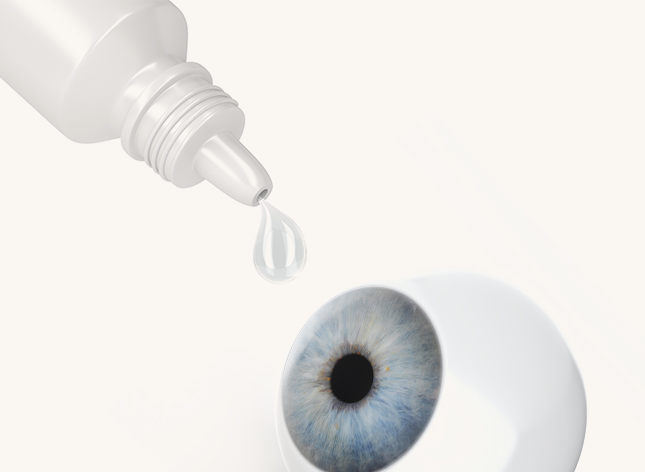

Struggling with Eye Allergies This Spring?
Dr. Daniel Baik and the team at Nunehim Eye Center offer expert allergy eye care with consultations in Korean and English. Serving Yeongdeungpo, Guro, Gasan, and Gwanak.
📍 Visit Nunehim Eye Center — Yeongdeungpo-gu, Seoul
Convenient access from Guro, Gasan, Gwanak & Dongjak. Serving expat and local patients in Yeongdeungpo with Korean & English consultations.
📌 Address
Yeongdeungpo-gu, Seoul
nunehim.com
🕐 Hours
Mon–Fri: 9:00–18:00
Sat: 9:00–13:00
🌐 Languages
Korean & English
consultations available


Leave a comment