Uveitis (Eye Inflammation): Symptoms, Causes & Treatment in Seoul
Expert uveitis treatment Seoul — Dr. Daniel Baik, Board-Certified Ophthalmologist | Nunehim Eye Center
Q. What Is Uveitis and Can It Be Treated in Seoul?
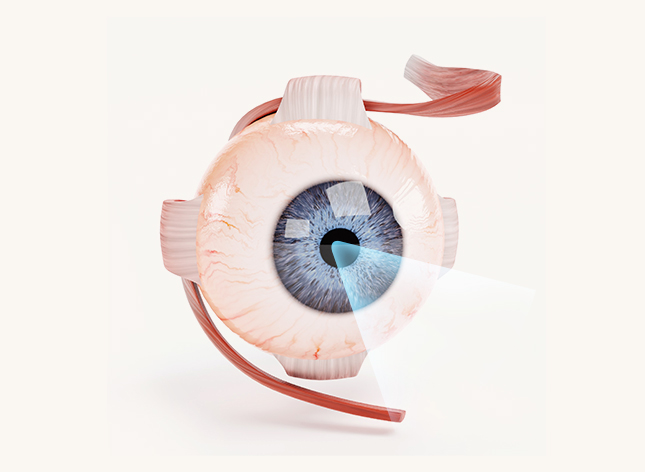
Uveitis is inflammation of the uvea — the middle layer of the eye — that can cause redness, pain, and vision loss if untreated. In Seoul, uveitis treatment is available at specialist eye clinics like Nunehim Eye Center in Guro, where Dr. Daniel Baik provides comprehensive diagnosis and management with both Korean and English consultations.
Q. What Exactly Is Uveitis?
Uveitis refers to inflammation of the uveal tract, which includes the iris, ciliary body, and choroid. It accounts for approximately 5–10% of visual impairment worldwide and is one of the leading preventable causes of blindness. In Korea, the incidence of uveitis treatment Seoul cases has been rising alongside increased autoimmune disease diagnoses. The condition can affect one or both eyes and may be acute, chronic, or recurrent. Early diagnosis is critical — untreated uveitis can lead to cataracts, glaucoma, retinal detachment, and permanent vision loss. Residents of Yeongdeungpo, Guro, and Gasan who experience sudden eye redness or blurred vision should seek evaluation promptly.
Q. What Are the Symptoms of Uveitis?
- Sudden redness of the eye (especially around the iris)
- Eye pain or aching, which may worsen with light exposure
- Photophobia (sensitivity to light)
- Blurred or cloudy vision
- Floaters (dark spots or strings drifting in vision)
- Decreased visual acuity
- Watery or discharge-like tearing
📊 Uveitis in Korea: Key Statistics
▸ Uveitis accounts for 10–15% of all blindness in developed nations (Korean Ophthalmological Society)
▸ Approximately 38 per 100,000 Koreans are diagnosed with uveitis annually
▸ 30–40% of uveitis cases in Korea are associated with autoimmune conditions such as ankylosing spondylitis or Behçet’s disease
▸ Without treatment, up to 25% of uveitis patients develop significant vision impairment within 5 years
Q. What Are the Treatment Options for Uveitis in Seoul?
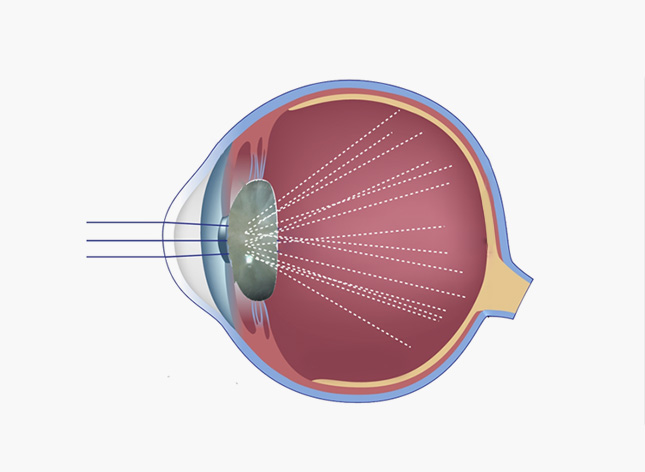
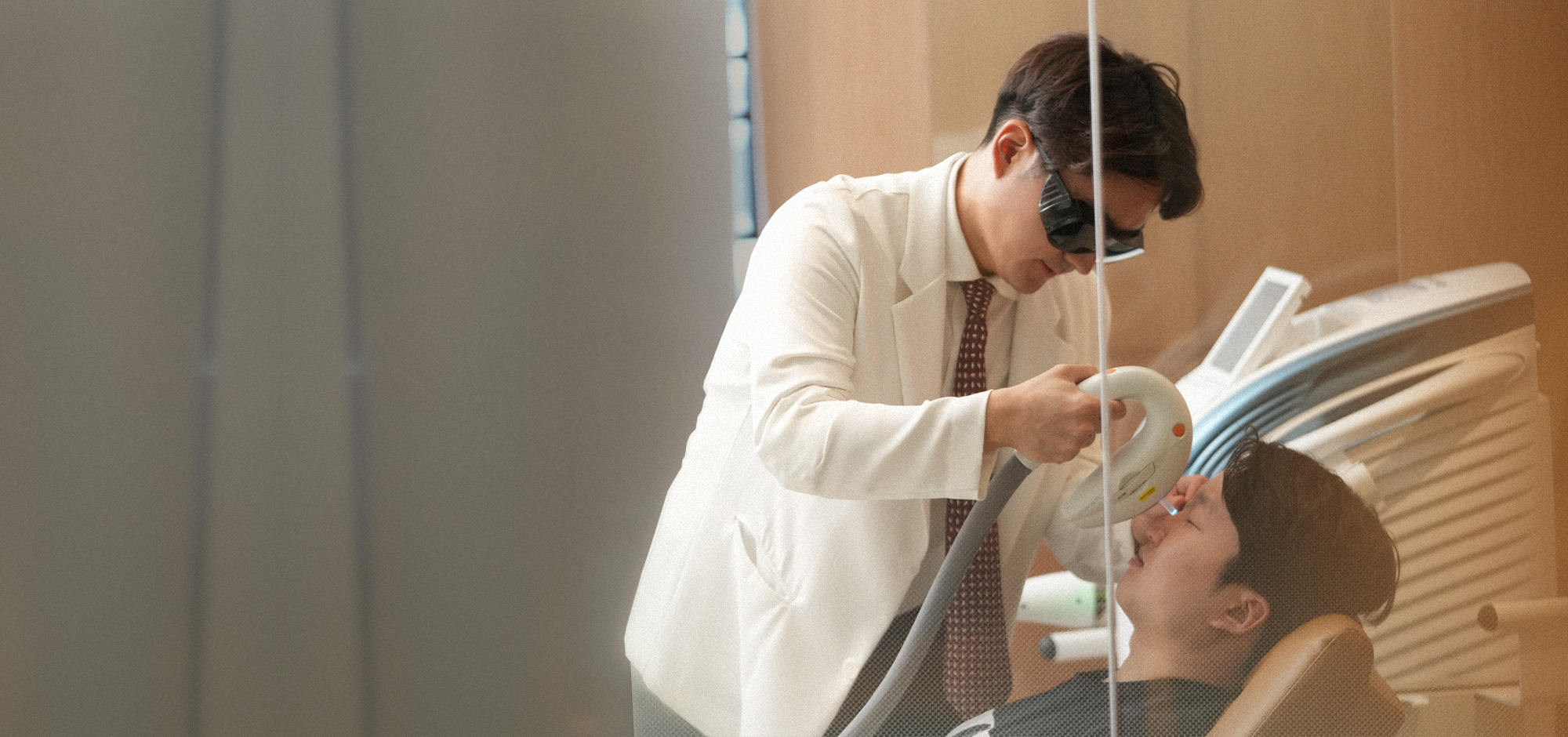
Treatment for uveitis depends on the underlying cause and severity. At Nunehim Eye Center in Guro, Dr. Daniel Baik tailors each treatment plan following thorough slit-lamp examination, OCT imaging, and laboratory investigations. The primary treatment goals are reducing inflammation, preventing complications, and preserving vision.
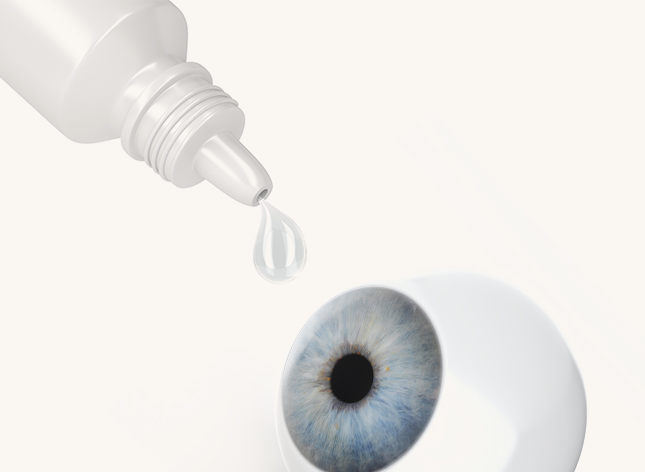
Common treatments include: corticosteroid eye drops (prednisolone acetate) for anterior uveitis; periocular or intravitreal steroid injections for posterior uveitis; systemic immunosuppressants (methotrexate, mycophenolate) for chronic or recurrent cases; and anti-VEGF injections if macular edema is present. Patients from Yeongdeungpo, Gwanak, and Gasan can access these treatments conveniently at our Guro clinic.
Q. What Causes Uveitis?
In roughly 50% of cases, uveitis has no identifiable cause (idiopathic). When a cause is found, it falls into three main categories: infectious (caused by viruses like herpes zoster or bacteria like tuberculosis — relevant given Korea’s TB history), autoimmune/systemic (ankylosing spondylitis, Behçet’s disease, sarcoidosis, inflammatory bowel disease), and traumatic or post-surgical.
Accurate identification of the underlying cause is essential for proper management. Dr. Daniel Baik at Nunehim Eye Center orders targeted bloodwork and imaging to distinguish between causes — particularly important for patients across Guro, Yeongdeungpo, and Gasan who may have systemic conditions that affect the eyes.
Q. When Should You See a Doctor for Uveitis in Seoul?
- Sudden onset of eye redness with pain — do not wait more than 24 hours
- Blurred vision or new floaters appearing rapidly
- Extreme sensitivity to light (photophobia)
- History of autoimmune disease with new eye symptoms
- Previous uveitis episode with recurring symptoms
- Eye pain following recent viral illness or trauma
🔴 Anterior Uveitis
Affects the front of the eye (iris and ciliary body). Most common form. Causes red, painful eye and light sensitivity. Usually responds well to steroid drops.
🟠 Intermediate Uveitis
Affects the vitreous and peripheral retina. Often associated with multiple sclerosis or sarcoidosis. Main symptoms are floaters and mild blurring.
🟡 Posterior Uveitis
Involves the retina and choroid. Most serious type. Can cause severe vision loss. Requires systemic treatment and close monitoring at a specialist clinic in Seoul.
A Word from Dr. Daniel Baik
“Uveitis is one of the most underdiagnosed conditions I see at my clinic in Guro. Many patients from Yeongdeungpo and Gwanak come in weeks after symptoms began, assuming the redness would resolve on its own. Early intervention with the right anti-inflammatory treatment can prevent vision-threatening complications and preserve quality of life. I encourage anyone with persistent eye redness or unexplained vision changes to come in for a thorough evaluation — Korean and English consultations are both available at Nunehim Eye Center.”
— Dr. Daniel Baik, Board-Certified Ophthalmologist, Nunehim Eye Center, Guro, Seoul
❓ Frequently Asked Questions About Uveitis Treatment in Seoul
Q. Is uveitis contagious?
No, uveitis itself is not contagious. However, if uveitis is caused by an infectious agent (like herpes virus or tuberculosis), the underlying infection may be transmissible. The inflammation of the eye is a response triggered by various factors, not a direct infection that spreads person to person.
Q. How long does uveitis treatment take?
Acute anterior uveitis typically responds to treatment within 4–8 weeks with steroid eye drops. Chronic or recurrent uveitis may require long-term immunosuppressive therapy over months to years. Regular follow-up at Nunehim Eye Center in Guro ensures treatment is adjusted appropriately as your condition evolves.
Q. Can uveitis cause permanent blindness?
Yes, untreated or poorly managed uveitis can lead to permanent vision loss through complications such as cataracts, glaucoma, macular edema, or retinal detachment. This is why prompt diagnosis and treatment are essential. With proper care, the majority of patients retain good vision.
Q. Is uveitis treatment covered by Korean health insurance?
Most uveitis diagnostic tests and standard treatments (including steroid eye drops and systemic medications) are covered under Korean National Health Insurance (건강보험). Advanced treatments such as intravitreal injections or biologic therapies may have partial coverage. Our staff at Nunehim Eye Center in Guro can help clarify insurance details for both Korean and international patients.
Q. Can I get uveitis treatment in English in Seoul?
Yes. Dr. Daniel Baik at Nunehim Eye Center in Guro offers consultations in both Korean and English. Many expats and English-speaking patients from across Yeongdeungpo, Gasan, and Gwanak receive complete diagnosis, treatment, and follow-up care entirely in English.
Q. What tests are done to diagnose uveitis?
Diagnosis involves a detailed slit-lamp examination of the anterior chamber and vitreous, dilated fundus exam, OCT imaging, and fluorescein angiography if retinal involvement is suspected. Blood tests (HLA-B27, ANA, ANCA, ACE, tuberculin test) help identify systemic or infectious causes. Chest X-ray may be ordered to rule out sarcoidosis or tuberculosis.
Q. Can I use contact lenses if I have uveitis?
During an active uveitis episode, contact lens wear is strongly discouraged as it can worsen inflammation and delay healing. Once the inflammation has completely resolved and your ophthalmologist confirms it is safe, contact lens use (including OK lens for myopia control) may be resumed carefully with regular monitoring.

Experiencing Eye Redness or Pain in Seoul?
Don’t wait. Uveitis can damage your vision permanently if untreated. Book a consultation with Dr. Daniel Baik at Nunehim Eye Center — serving Guro, Yeongdeungpo, Gasan, and Gwanak.
📍 Visit Nunehim Eye Center — Guro, Seoul
Convenient access from Guro, Gasan, Gwanak & Dongjak. Near Guro Digital Complex Station (Line 2).
📌 Address
Guro-gu, Seoul | nunehim.com
🕐 Hours
Mon–Fri: 9am–6pm | Sat: 9am–1pm
🌐 Languages
Korean & English consultations available


Leave a comment