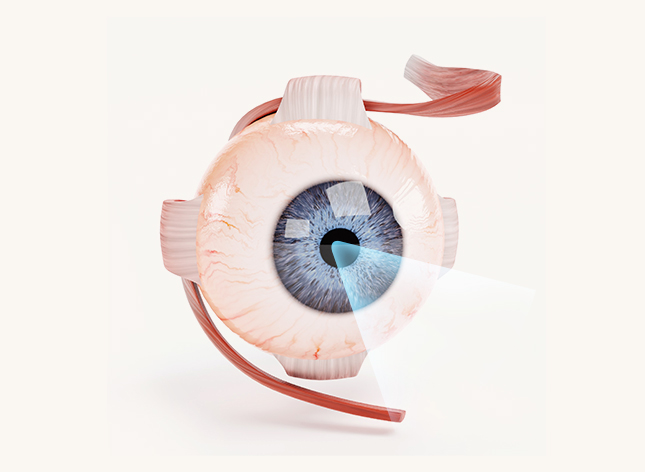
Living with Glaucoma: Daily Life and Long-Term Management Tips
Expert glaucoma care at Nunehim Eye Center · Yeongdeungpo, Seoul
Q. What are the best tips for living with glaucoma?
Living with glaucoma requires consistent adherence to prescribed eye drops, regular follow-up appointments, and lifestyle adjustments that support healthy intraocular pressure (IOP). With the right management strategy — and specialist care from Dr. Daniel Baik at Nunehim Eye Center in Yeongdeungpo, Seoul — most glaucoma patients can maintain functional vision and lead a full, active life. Patients from Guro, Gasan, and Gwanak can access comprehensive glaucoma monitoring at our Seoul clinic.
Q. What is glaucoma and why is long-term management critical?
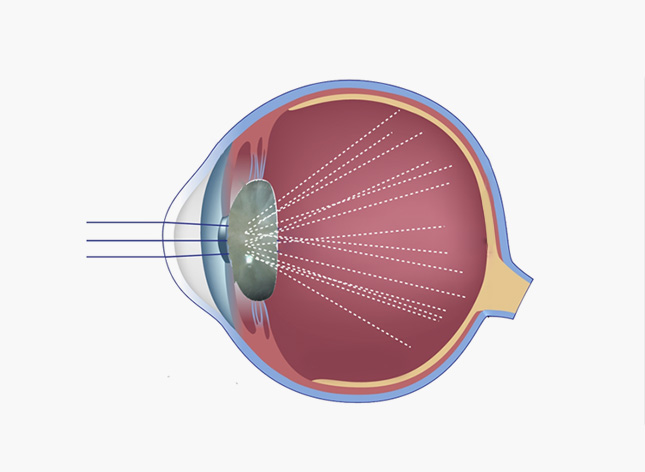
Glaucoma is a group of progressive optic neuropathies characterised by damage to the optic nerve — most commonly associated with elevated intraocular pressure (IOP). It is the leading cause of irreversible blindness worldwide, and the second leading cause in South Korea. Because glaucoma typically has no symptoms in its early stages, vision loss can be well advanced before the patient is aware anything is wrong. This is why long-term management is not optional: consistent treatment can slow or halt progression, but lost vision cannot be restored. Patients in Yeongdeungpo and across Seoul should be screened regularly, especially after age 40 or with a family history of glaucoma.
📊 Glaucoma in Korea — Key Statistics
- ▸ Over 900,000 Koreans are currently diagnosed with glaucoma; prevalence rises sharply after age 50
- ▸ Normal-tension glaucoma (NTG) accounts for ~70–77% of open-angle glaucoma cases in Korea — higher than Western populations
- ▸ Only ~50% of Korean glaucoma patients achieve adequate IOP control with a single medication
- ▸ Annual comprehensive glaucoma screenings are recommended by the Korean Ophthalmological Society for all adults over 40
Q. How should I manage glaucoma eye drops in daily life?
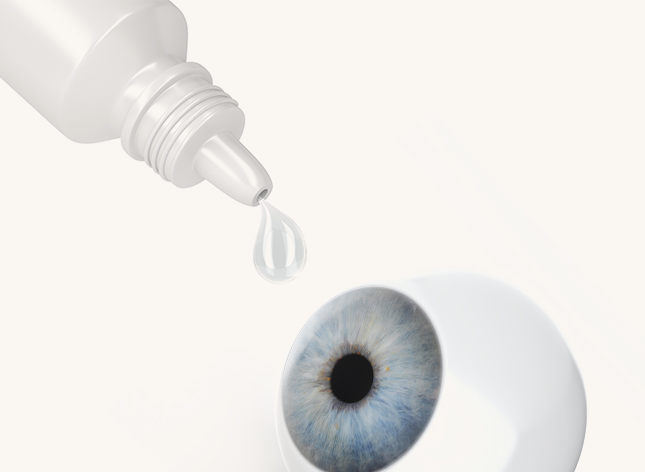
Adherence to prescribed eye drops is the foundation of glaucoma management. The most common regimens include prostaglandin analogues (once nightly), beta-blockers, or combination drops. Using an alarm, a pill organiser, or a dedicated glaucoma app helps build a consistent routine. Apply drops by pulling the lower eyelid down, placing one drop in the conjunctival sac, and gently closing the eye for two minutes — this reduces systemic absorption and maximises local effect.
At Nunehim Eye Center in Yeongdeungpo, we routinely review medication technique at follow-up visits. Patients from Guro and Gasan tell us that a brief refresher on drop instillation significantly improves their confidence and adherence. If you experience burning, redness, or eyelash changes, speak to Dr. Daniel Baik before stopping any medication — alternatives are almost always available.
Q. What lifestyle changes help manage living with glaucoma?
Several evidence-based lifestyle modifications support IOP control and optic nerve health. Regular moderate aerobic exercise (brisk walking, cycling) has been shown to lower IOP by 2–3 mmHg and improve ocular blood flow. Avoid activities that temporarily spike IOP — extreme head-down yoga poses, heavy weight lifting with the Valsalva manoeuvre, or playing high-resistance wind instruments. Maintain adequate hydration but avoid drinking large volumes of water rapidly.
Sleep position matters: elevating the head of the bed slightly reduces nocturnal IOP spikes, particularly relevant for patients with normal-tension glaucoma, which is especially prevalent in Korean patients in Gwanak and across Seoul. A balanced diet rich in leafy greens and omega-3 fatty acids may provide modest neuroprotective benefit, though dietary changes alone should not replace medication.
Q. When does glaucoma require urgent attention?
- Sudden eye pain with nausea and vomiting — may indicate acute angle-closure glaucoma
- Rapid onset of blurred vision with rainbow halos around lights
- Headache centred around one eye with visible redness
- Any sudden loss of peripheral or central vision
- IOP reading consistently above your target despite medication adherence
- New visual field defect noted at your monitoring visit
📅 Follow-up Frequency
Stable glaucoma: every 6–12 months for IOP check, visual fields, and OCT of the optic nerve fibre layer.
🔬 Monitoring Tests
IOP tonometry, Humphrey visual field, OCT retinal nerve fibre layer (RNFL), and optic disc photography to track progression.
🎯 IOP Target
Your personalised IOP target is set based on baseline pressure, visual field loss, and optic nerve status — typically 20–30% below untreated pressure.
A Note from Dr. Daniel Baik
“Glaucoma is a lifelong condition, but it is not a life sentence. The vast majority of my patients in Yeongdeungpo and across Seoul who consistently use their medications and attend follow-up appointments maintain excellent functional vision for decades. What makes the difference is not the severity of the diagnosis at first presentation — it is the commitment to long-term care. I am here to partner with each patient for that journey.”
— Dr. Daniel Baik, Board-Certified Ophthalmologist · Nunehim Eye Center, Seoul
❓ Frequently Asked Questions
Q. Can I drive if I have glaucoma?
Many people with well-controlled glaucoma continue to drive safely. Driving fitness depends on the extent of visual field loss and whether both eyes are affected. Korean road safety regulations require a minimum visual field and acuity standard. Dr. Daniel Baik can assess your current visual field and advise whether driving remains safe.
Q. Does stress affect intraocular pressure?
Psychological stress can cause temporary cortisol-mediated IOP elevation. While the magnitude is generally modest, chronic stress combined with poor sleep may contribute to nocturnal IOP spikes. Mindfulness, regular sleep, and moderate exercise all help regulate the stress-IOP relationship.
Q. Is coffee or alcohol harmful for glaucoma?
Moderate coffee consumption has a small, transient IOP-raising effect in some individuals. Excessive alcohol may impair adherence to drop schedules and disrupt sleep quality. Moderation is advisable, but neither coffee nor alcohol needs to be eliminated entirely in most glaucoma patients. Discuss your specific situation with Dr. Daniel Baik.
Q. What is normal-tension glaucoma and why is it more common in Koreans?
Normal-tension glaucoma (NTG) features progressive optic nerve damage despite IOP in the statistically “normal” range (≤21 mmHg). It accounts for approximately 70–77% of open-angle glaucoma in Korean populations — far above the global average — likely due to genetic factors, vascular dysregulation, and a higher prevalence of myopia. NTG requires the same diligent treatment as high-tension glaucoma, often with IOP-lowering targets well below 15 mmHg.
Q. When is laser or surgery considered for glaucoma?
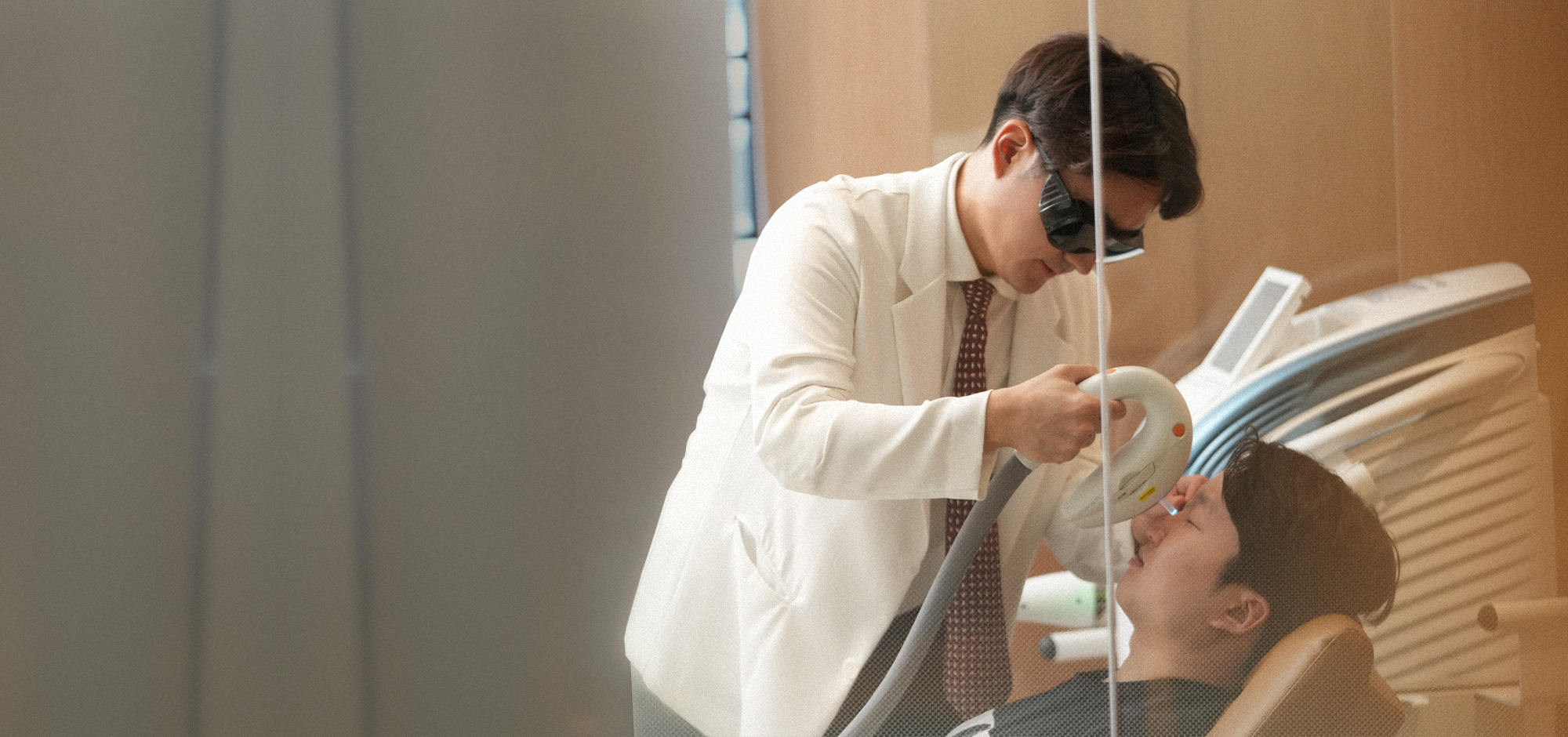
Selective laser trabeculoplasty (SLT) is an effective first-line or adjunctive option that can lower IOP without daily drops. Surgical options — trabeculectomy or minimally invasive glaucoma surgery (MIGS) — are considered when IOP is inadequately controlled despite maximum tolerated medical therapy or when progression continues. Dr. Daniel Baik at Nunehim Eye Center coordinates specialist referrals when surgical intervention is indicated.
Q. Where can I get glaucoma monitoring in Yeongdeungpo / Guro / Gasan?
Nunehim Eye Center in Yeongdeungpo, Seoul offers full glaucoma monitoring: IOP measurement, Humphrey visual field testing, OCT of the optic nerve, and dilated disc assessment. Patients from Guro, Gasan, Gwanak, and Dongjak visit regularly. English-language consultations are available.
Q. Is glaucoma hereditary? Should my family get tested?
Yes. First-degree relatives of glaucoma patients have a 4–9× higher lifetime risk. We recommend that siblings and children of glaucoma patients over age 40 undergo an annual comprehensive eye exam including IOP measurement and optic disc evaluation. Early detection allows early treatment, which prevents virtually all meaningful vision loss.

Book a Glaucoma Consultation in Seoul
Serving Yeongdeungpo · Guro · Gasan · Gwanak · English & Korean consultations available
📍 Visit Nunehim Eye Center — Yeongdeungpo, Seoul
Convenient access from Guro, Gasan, Gwanak & Dongjak. Near Yeongdeungpo-gu Office Station.
📌 Address
Yeongdeungpo-gu, Seoul
nunehim.com
🕐 Hours
Mon–Fri: 9:00–18:00
Sat: 9:00–13:00
🌐 Languages
Korean & English consultations available


Leave a comment