Diabetic Retinopathy Screening: How Often and What to Expect in Korea
Protecting Your Sight with Regular Retina Exams in Yeongdeungpo, Seoul
Q. How often should people with diabetes get a retinopathy screening in Korea?
Most adults with diabetes in Korea should have a dilated diabetic retinopathy screening at least once a year, even if their vision feels normal. Diabetic retinopathy screening in Korea typically involves a dilated fundus exam and retinal photography or OCT imaging, which can detect early changes long before symptoms appear. At Nunehim Eye Center in Yeongdeungpo, Dr. Daniel Baik works with patients from Guro, Gasan, and Gwanak to set up a screening schedule based on how long they have had diabetes and how well their blood sugar is controlled.
Q. What is diabetic retinopathy screening Korea and why does it matter?
Diabetic retinopathy is damage to the blood vessels of the retina caused by chronically high blood sugar. It is one of the leading causes of preventable blindness worldwide, including in Korea, where the number of people living with diabetes continues to rise. Screening means examining the retina — usually after dilating the pupils — to look for tiny areas of bleeding, leaking fluid, or abnormal new blood vessels, all of which can occur before a patient notices any change in vision. Because diabetic retinopathy screening in Korea is widely available and often covered in part by national health insurance, there is little reason to delay an annual check.
Q. What are the signs that diabetic retinopathy may already be present?
- Blurred or fluctuating vision, especially after meals when blood sugar swings
- Dark spots, floaters, or strands drifting across the vision
- Difficulty seeing at night or in low light
- Colors appearing faded or washed out
- Sudden vision loss in one eye, which can signal a retinal hemorrhage
Q. How common is diabetic eye disease in Korea?
▸ Diabetes prevalence among Korean adults has been rising and now affects a significant share of those over 30
▸ Diabetic retinopathy is estimated to affect roughly one in five to one in three people with long-standing diabetes in Korea
▸ Many patients in Seoul are unaware they have retinopathy because early stages cause no symptoms
▸ Annual dilated eye exams are recommended by Korean diabetes management guidelines for all adults with type 1 or type 2 diabetes
Q. What happens if diabetic retinopathy is found during screening?
If early-stage (non-proliferative) retinopathy is detected, the main treatment is closer monitoring and better blood sugar, blood pressure, and cholesterol control, often in coordination with your endocrinologist. More advanced cases may require laser photocoagulation to seal leaking vessels, anti-VEGF injections to reduce swelling in the macula, or, in severe cases, vitrectomy surgery.
The earlier diabetic retinopathy is caught through regular screening, the more treatment options remain available and the better the chances of preserving vision. This is why Nunehim Eye Center encourages patients across Yeongdeungpo, Guro, and Gasan not to wait for symptoms before booking a retina exam.
Q. What should I expect during a diabetic retinopathy screening visit?
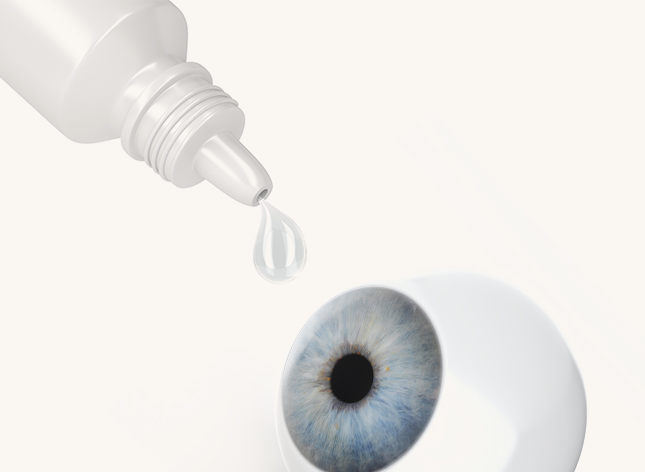
A typical screening starts with dilating eye drops, which take about 20-30 minutes to widen the pupils. The doctor then examines the retina directly and may take retinal photographs or an OCT scan, which provides a detailed cross-sectional image of the retina without any discomfort.
After dilation, vision may be blurry and light-sensitive for a few hours, so many patients from Gwanak and Dongjak prefer to schedule screenings when they do not need to drive immediately afterward. The whole visit usually takes under an hour, and results can often be discussed the same day.
Q. When should a person with diabetes seek urgent eye care?
- Sudden onset of floaters or flashes of light
- A curtain-like shadow or sudden loss of vision in one eye
- Rapidly worsening blurry vision over a few days
- Significant pain or redness in the eye
- Any sudden change in vision after a period of poorly controlled blood sugar
Q. How often should screening intervals change based on findings?
No Retinopathy
If a screening shows no signs of retinopathy and blood sugar is well controlled, the next dilated exam can usually be scheduled in about 12 months.
Mild–Moderate Retinopathy
Early changes call for closer monitoring, often every 6 months, along with tighter blood sugar and blood pressure management.
Severe / Proliferative Retinopathy
Advanced disease requires prompt treatment and follow-up visits as frequently as every 1-3 months until the condition stabilizes.
“In my practice in Yeongdeungpo, I see patients who have managed their diabetes carefully for years but never had a dilated eye exam, simply because they had no symptoms. Diabetic retinopathy screening in Korea is quick, widely accessible, and can catch problems while they are still easy to treat — that’s why I recommend it as a yearly habit, not a one-time event.”
— Dr. Daniel Baik, board-certified ophthalmologist, Nunehim Eye Center

❓ Frequently Asked Questions
Q. Does diabetic retinopathy screening hurt?
No. The dilating drops may cause mild stinging for a moment and temporary light sensitivity, but the exam itself, including retinal photography and OCT, is painless and non-invasive.
Q. Is diabetic retinopathy screening covered by insurance in Korea?
Routine eye exams and many diagnostic tests are at least partially covered under Korea’s national health insurance for patients with a diabetes diagnosis. Our staff at Nunehim Eye Center can help confirm coverage details before your visit.
Q. Can diabetic retinopathy be reversed?
Existing damage to retinal blood vessels generally cannot be fully reversed, but treatment can stop or slow further damage, and good blood sugar control can prevent new damage from occurring.
Q. I have type 2 diabetes but no eye symptoms — do I still need screening?
Yes. Diabetic retinopathy often has no symptoms in its early stages, which is exactly why annual screening is recommended for everyone with diabetes, regardless of how their vision feels.
Q. How long does a screening appointment take?
Most appointments take under an hour, including time for the dilating drops to work. Vision may remain blurry for a few hours afterward.
Q. Can I drive home after my screening?
Because dilation temporarily blurs vision and increases light sensitivity, many patients prefer to arrange a ride or wait until the effects wear off, especially those traveling from Gasan or Gwanak.
Q. Where can I get diabetic retinopathy screening near Guro or Yeongdeungpo?
Nunehim Eye Center in Yeongdeungpo offers dilated retinal exams, retinal photography, and OCT imaging for patients from Guro, Gasan, Gwanak, and Dongjak, with both Korean and English consultations available.

Book a Consultation
📍 Visit Nunehim Eye Center — Guro, Seoul
Convenient access from Guro, Gasan, Gwanak & Dongjak. Near Guro Digital Complex Station (Line 2).
Address
Guro-gu, Seoul / nunehim.com
Hours
Mon–Fri 9:00–18:00, Sat 9:00–13:00
Languages
Korean & English


Leave a comment