Glaucoma Surgery: When Eye Drops Are Not Enough
Advanced Glaucoma Care in Yeongdeungpo, Seoul — Nunehim Eye Center
Q. When do you need glaucoma surgery instead of eye drops?
Glaucoma surgery in Seoul becomes necessary when eye drops and laser treatments can no longer keep intraocular pressure (IOP) at a safe level, or when a patient struggles to maintain the daily drop regimen. At Nunehim Eye Center in Yeongdeungpo, Dr. Daniel Baik evaluates patients from across Guro, Gasan, and Gwanak to determine whether minimally invasive glaucoma surgery (MIGS), laser trabeculoplasty, or traditional filtering surgery such as trabeculectomy is the right next step to protect the optic nerve from further, irreversible damage.
Q. What is glaucoma and why does surgery become necessary?
Glaucoma is a group of eye conditions that damage the optic nerve, usually due to elevated intraocular pressure. Because this damage is irreversible, the goal of any glaucoma treatment — drops, laser, or surgery — is to lower IOP enough to prevent further vision loss. Eye drops are typically the first line of treatment, but over time some patients develop drug resistance, intolerable side effects, or simply cannot maintain the strict daily schedule that drops require. When IOP remains elevated despite maximum medical therapy, or when visual field tests and OCT scans show continued optic nerve damage, glaucoma surgery in Seoul becomes the safer path forward.
Q. What are the signs that eye drops are no longer enough?
- Intraocular pressure readings remain above target despite using two or more medications
- Visual field tests show new or worsening blind spots
- OCT imaging reveals progressive thinning of the optic nerve fiber layer
- Redness, stinging, or allergic reactions make it difficult to continue drops
- Missed doses due to a busy schedule, frequent travel, or difficulty with bottle technique
Q. How common is glaucoma in Korea?
▸ Glaucoma prevalence among Koreans over 40 is estimated at around 4%, rising significantly with age
▸ Open-angle glaucoma is the most common form among Korean adults and often progresses without noticeable symptoms
▸ National screening data suggest a large proportion of glaucoma cases in Korea remain undiagnosed until visual field loss has already occurred
▸ Eye pressure checks are recommended at least once a year for adults over 40, especially those with a family history of glaucoma
Q. What surgical options are available for glaucoma in Seoul?
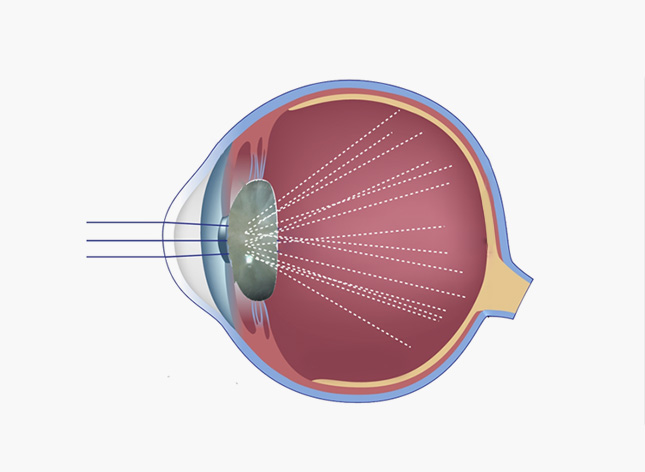
Today’s glaucoma surgery toolkit goes well beyond traditional trabeculectomy. Minimally invasive glaucoma surgery (MIGS) uses micro-incisions and tiny devices to improve the eye’s natural drainage pathway, often combined with cataract surgery for patients who have both conditions. Selective laser trabeculoplasty (SLT) is a non-incisional option that can reduce reliance on drops for many patients with open-angle glaucoma.
For more advanced cases, trabeculectomy — which creates a new drainage channel for fluid to leave the eye — or tube shunt implantation may be recommended. At Nunehim Eye Center, Dr. Daniel Baik discusses each option’s expected pressure-lowering effect, recovery time, and suitability based on the stage of disease, working with patients from Yeongdeungpo, Guro, Gasan, and Gwanak to choose the approach that best protects their remaining vision.
Q. What should patients expect during recovery?
Recovery varies by procedure. MIGS typically allows patients to resume light activities within a few days, with follow-up visits to monitor IOP and healing. Trabeculectomy and tube shunt surgeries require a longer recovery period, often several weeks, with multiple follow-up visits to adjust the drainage and prevent scarring.
Throughout recovery, patients are asked to avoid strenuous activity, swimming, and eye rubbing, and to attend every scheduled check-up. Many patients commuting from Gasan or Gwanak appreciate that Nunehim Eye Center schedules follow-ups efficiently to minimize time away from work.
Q. What warning signs should prompt an urgent visit after surgery?
- Sudden, severe eye pain
- Sudden decrease in vision
- Increasing redness or discharge
- Nausea or vomiting accompanying eye pain
- Halos around lights or a hard, pressure-like sensation in the eye
Q. How does treatment differ by glaucoma stage?
Early Glaucoma
Mild optic nerve changes with minimal field loss. Usually managed with eye drops and regular monitoring of IOP and optic nerve health.
Moderate Glaucoma
Progressive field loss despite drops. SLT laser or MIGS, often combined with cataract surgery, can lower pressure with a faster recovery.
Advanced Glaucoma
Significant vision loss risk. Trabeculectomy or tube shunt surgery may be needed to achieve a much lower target pressure and protect remaining sight.
“Many patients come to us in Yeongdeungpo after years of relying on drops alone. My priority is always to find the least invasive option that reliably protects the optic nerve — and to make sure patients fully understand what to expect before, during, and after any glaucoma procedure.”
— Dr. Daniel Baik, board-certified ophthalmologist, Nunehim Eye Center
❓ Frequently Asked Questions
Q. Is glaucoma surgery painful?
Most glaucoma procedures, including MIGS and trabeculectomy, are performed under local or topical anesthesia, so patients feel little to no pain during the surgery itself. Mild discomfort or a foreign-body sensation is common for a few days afterward.
Q. Will I still need eye drops after surgery?
Some patients can reduce or stop drops after successful surgery, while others may still need a smaller number of medications. Dr. Baik will reassess your drop regimen at follow-up visits based on your IOP results.
Q. How long does MIGS surgery take?
Most MIGS procedures take about 10 to 20 minutes and are often combined with cataract surgery in the same session, adding only a little extra time to the overall procedure.
Q. Can glaucoma surgery restore lost vision?
No. Glaucoma surgery cannot reverse vision already lost to optic nerve damage. Its purpose is to lower eye pressure and preserve the vision that remains, which is why early detection in Seoul clinics is so important.
Q. Is glaucoma surgery covered by Korean national health insurance?
Many glaucoma procedures are covered under Korea’s national health insurance when medically indicated. Coverage details depend on the specific procedure, so our staff at Nunehim Eye Center can help clarify costs during your consultation.
Q. How often should I have my eye pressure checked after surgery?
Follow-up frequency depends on the procedure and how stable your IOP is, but most patients are seen within the first week, then at increasing intervals — for example one month, three months, and then every few months.
Q. Can both eyes be treated at the same time?
In most cases, surgeons treat one eye first and evaluate healing before operating on the second eye, though the timing can be discussed individually with your doctor.

Book a Consultation
📍 Visit Nunehim Eye Center — Guro, Seoul
Convenient access from Guro, Gasan, Gwanak & Dongjak. Near Guro Digital Complex Station (Line 2).
Address
Guro-gu, Seoul / nunehim.com
Hours
Mon–Fri 9:00–18:00, Sat 9:00–13:00
Languages
Korean & English


Leave a comment