IPL vs Eye Drops for Dry Eye: Which Works Better for Office Workers?
Comparing IPL dry eye treatment in Seoul with daily eye drops for lasting relief
Q. IPL or eye drops — which is better for dry eye?
For mild, occasional dry eye, lubricating eye drops are often sufficient. But for moderate-to-severe dry eye caused by meibomian gland dysfunction — extremely common among office workers in Seoul who spend long hours on screens — IPL (Intense Pulsed Light) dry eye treatment addresses the underlying gland inflammation and tends to provide longer-lasting relief than drops alone. Many patients in Yeongdeungpo and Guro find a combination of both works best.
Q. What is IPL dry eye treatment and how does it work?
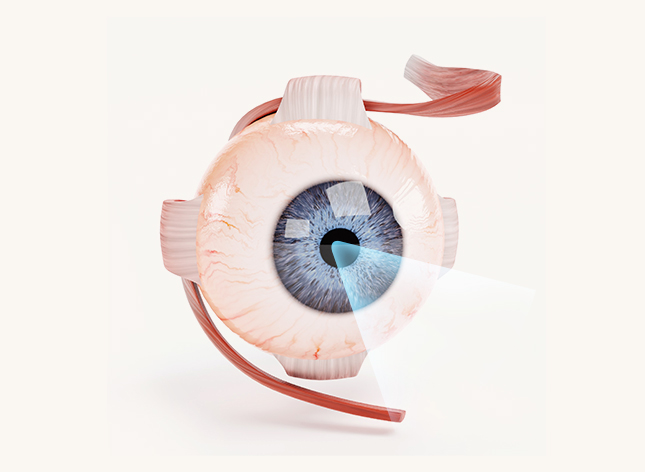
IPL dry eye treatment in Seoul uses controlled pulses of light applied near the lower eyelids to reduce inflammation, improve meibomian gland function, and decrease abnormal blood vessels that contribute to chronic dry eye. At Nunehim Eye Center, we use the Oasis M22 IPL system, a clinically established device for treating evaporative dry eye, which is the most common form of dry eye disease among office workers in Gasan and Gwanak.
Q. What are the signs that eye drops alone are not enough?
- You use lubricating drops multiple times a day but symptoms return quickly
- Eyes feel gritty, burning, or fatigued by mid-afternoon
- Vision fluctuates or blurs especially after screen use
- Eyelid margins appear red, crusty, or inflamed (blepharitis)
- Symptoms have persisted for months despite over-the-counter drops
Dry Eye in Korea — Key Statistics
- ▸ Dry eye disease prevalence in Korean adults is estimated between 15-30%, higher among office workers and screen-heavy professions
- ▸ Meibomian gland dysfunction is the leading cause of evaporative dry eye, found in the majority of dry eye patients
- ▸ Average screen time for Seoul office workers often exceeds 9-10 hours per day including personal devices
- ▸ Reduced blink rate during screen use can drop by more than half, worsening tear film stability
Q. What does an IPL dry eye treatment session involve?
A typical IPL session at Nunehim Eye Center takes about 15-20 minutes. Protective eyewear is placed over the eyes, a cooling gel is applied to the skin around the lower eyelids and cheeks, and the IPL device delivers gentle light pulses. Most patients describe the sensation as a mild warming or slight snap, similar to a rubber band flick. A typical course involves 3-4 sessions spaced 2-4 weeks apart, often combined with meibomian gland expression for best results.
Many patients commuting from Yeongdeungpo and Dongjak schedule sessions during lunch breaks, as there is minimal downtime afterward.
Q. Are eye drops still useful if I get IPL treatment?
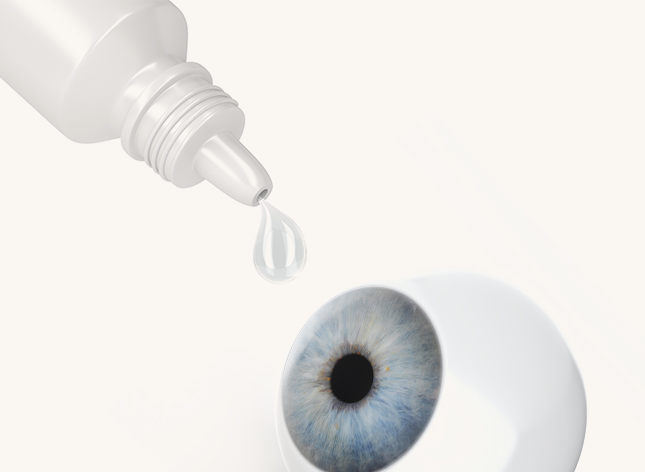
Yes. Eye drops and IPL are complementary rather than competing options. Preservative-free artificial tears help maintain the tear film day-to-day, while IPL addresses the root inflammatory cause of gland dysfunction. For office workers in Guro and Gasan who cannot fully change their screen habits, combining periodic IPL sessions with daily lubricating drops typically gives the most stable, long-term comfort.
Patients with mild, intermittent dryness — for example, only during dry winter months — may find drops alone sufficient and may not need IPL at all.
Q. When should dry eye symptoms be evaluated by an ophthalmologist?
See an eye doctor promptly if you notice:
- Persistent eye pain, redness, or light sensitivity
- Sudden vision changes alongside dryness
- No improvement after weeks of regular lubricating drops
- Dryness severe enough to interfere with daily activities or contact lens wear
Mild Dry Eye
Occasional dryness, relieved by over-the-counter artificial tears and screen breaks.
Moderate Dry Eye
Daily symptoms, meibomian gland dysfunction — IPL plus prescription drops recommended.
Severe Dry Eye
Chronic inflammation, possible corneal involvement — full ophthalmology workup and combination therapy needed.
A Note from Dr. Daniel Baik
“I see many patients from Gasan and Gwanak who have tried every eye drop on the shelf without lasting relief. Often, the underlying issue is meibomian gland dysfunction, which drops alone cannot fully fix. IPL treatment, combined with a tailored drop regimen, helps most of these patients find real, sustained comfort.”
❓ Frequently Asked Questions
Q. Is IPL dry eye treatment painful?
No. Most patients describe IPL as a mild warming sensation or a slight snapping feeling on the skin. It is generally well tolerated without anesthesia.
Q. How many IPL sessions are needed?
Most patients undergo a course of 3-4 sessions spaced several weeks apart, with maintenance sessions every few months depending on symptom severity.
Q. Can I wear makeup or return to work right after IPL?
Yes, there is minimal downtime. Most patients can resume normal activities, including work in Yeongdeungpo or Guro, immediately after their session.
Q. Are preservative-free eye drops better than regular ones?
For frequent use (more than 4 times daily), preservative-free drops are generally preferred to reduce the risk of preservative-related irritation.
Q. Does IPL treat the cause of dry eye or just symptoms?
IPL targets one of the most common underlying causes — meibomian gland dysfunction and eyelid inflammation — rather than just masking dryness like drops do.
Q. Is IPL covered by insurance in Korea?
Coverage varies; IPL for dry eye is often considered a non-covered cosmetic-adjacent procedure. Our staff can discuss costs during your consultation in Korean or English.
Q. Who is not a good candidate for IPL?
Patients with very dark skin tones, certain skin conditions, recent sun tanning, or those who are pregnant may need alternative approaches. A consultation will determine suitability.

Ready to Treat Your Dry Eye?
Book an IPL dry eye consultation with Dr. Daniel Baik at Nunehim Eye Center, serving Yeongdeungpo, Guro, Gasan & Gwanak.
📍 Visit Nunehim Eye Center — Guro, Seoul
Convenient access from Guro, Gasan, Gwanak & Dongjak. Near Guro Digital Complex Station (Line 2).
Address
Guro-gu, Seoul / nunehim.com
Hours
Mon-Fri 9-6, Sat 9-1
Languages
Korean & English


Leave a comment