
Vitrectomy Explained: What Happens During Retinal Surgery in Seoul
A board-certified ophthalmologist at Nunehim Eye Center explains vitrectomy surgery — what it is, who needs it, and what to expect in Seoul.
Q. What exactly is vitrectomy surgery?
Vitrectomy is a surgical procedure in which the vitreous gel — the clear, jelly-like substance that fills the back of the eye — is removed and replaced with a saline, gas, or silicone oil solution. It is performed to treat serious retinal conditions including retinal detachment, macular holes, diabetic retinopathy, and severe eye infections. At Nunehim Eye Center in Yeongdeungpo, Seoul, Dr. Daniel Baik performs vitrectomy and retinal surgery with meticulous attention to restoring vision and preventing permanent damage.
Q. What conditions require vitrectomy surgery in Seoul?
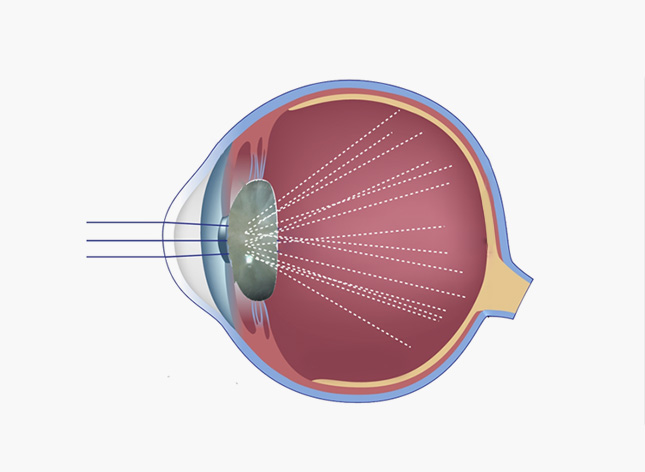
Vitrectomy surgery Seoul patients most often need when conservative treatments are no longer sufficient to manage posterior segment disease. The most common indications include rhegmatogenous retinal detachment, tractional retinal detachment secondary to proliferative diabetic retinopathy, macular hole, epiretinal membrane (macular pucker), vitreous haemorrhage, endophthalmitis, and retained lens fragments following cataract surgery. Korea has among the highest rates of high myopia in the world — over 96% of young adults in Seoul are myopic — which significantly increases the lifetime risk of retinal tears and detachment. In Guro, Gasan, and Gwanak, where many of our patients reside, early retinal screening is especially important for high-myopes above -6.00 D.
Q. What are the warning signs that you may need retinal surgery?
- Sudden increase in floaters or a shower of floaters in one eye
- Flashes of light (photopsia), especially in dim conditions
- A dark curtain or shadow appearing across your visual field
- Sudden blurring or loss of central vision
- Distortion of straight lines (metamorphopsia) suggesting macular disease
- Persistent red or hazy vision following trauma or surgery
📊 Retinal Disease in Korea: Key Statistics
- ▸ Korea has the highest prevalence of high myopia among adults globally, exceeding 35% of the adult population
- ▸ Retinal detachment affects approximately 1 in 10,000 Koreans per year, with higher rates in high myopes
- ▸ Diabetic retinopathy affects nearly 30% of Korean patients with type 2 diabetes of 10+ years duration
- ▸ Surgical success rates for primary retinal detachment repair exceed 90% with modern vitrectomy techniques
Q. What happens step by step during vitrectomy surgery?
Vitrectomy surgery Seoul procedures are performed under local anaesthesia with sedation, typically lasting 1–3 hours depending on complexity. Small incisions (0.4–0.6 mm) are made in the pars plana region of the eye. A light pipe, infusion cannula, and vitreous cutter are inserted. The vitreous gel is carefully removed using a high-speed cutter, and any blood, scar tissue, or membranes on the retina are delicately peeled away using fine forceps and scissors.
Once the vitreous is removed, the surgeon may laser the retina to seal tears (photocoagulation), inject a gas bubble (SF6 or C3F8) or silicone oil to tamponade the retina, or perform a membrane peel in the case of macular hole or epiretinal membrane. When gas is used, patients must position face-down for several days to help the gas press the retina back into place — a critical and often underappreciated part of recovery.
Q. What is recovery like after vitrectomy surgery in Seoul?
Recovery from vitrectomy depends on the underlying condition treated and the type of tamponade used. With a gas bubble, vision is severely blurred initially — the bubble acts like a frosted glass filling part of the visual field. The gas gradually absorbs over 6–10 weeks (depending on the gas type), during which time air travel is strictly prohibited due to the risk of dangerous intraocular pressure spikes from altitude-related gas expansion.
Eye drops (antibiotics and steroids) are instilled 4–6 times daily for 4–8 weeks. Vision improvement is gradual — most patients see meaningful recovery within 6–12 weeks, although final visual outcome can take 3–6 months, particularly for macular hole repair. Patients from Gasan, Gwanak, and Yeongdeungpo returning for follow-up care should plan for multiple clinic visits at 1 week, 1 month, 3 months, and 6 months post-operatively.

Q. When should you seek emergency care for retinal symptoms?
- A sudden “shower” of new floaters combined with flashing lights — may indicate a retinal tear
- A dark shadow or curtain moving across your visual field — may indicate retinal detachment
- Sudden painless loss of central or peripheral vision in one eye
- Significant trauma to the eye with immediate vision change
- Rapid loss of vision following any intraocular surgery (possible infection/endophthalmitis)
⚠️ Retinal detachment is a medical emergency. If you are in Yeongdeungpo, Guro, or surrounding districts and notice any of the above symptoms, contact Nunehim Eye Center immediately or proceed to the nearest emergency ophthalmology department.
🔬 Retinal Detachment
The most urgent indication. Requires surgery within 24–48 hours for macula-off detachments. Success rate >90% with primary vitrectomy or scleral buckle + vitrectomy combination.
🩸 Vitreous Haemorrhage
Blood in the vitreous cavity causing sudden visual loss. Often secondary to diabetic retinopathy or retinal tear. Vitrectomy clears the blood and allows treatment of the underlying cause simultaneously.
🎯 Macular Hole
A small break in the macula causing central blurring and distortion. Vitrectomy with internal limiting membrane (ILM) peel and gas tamponade achieves closure rates of 90–95% for stage 2–4 holes.
Dr. Daniel Baik — Nunehim Eye Center
“Vitrectomy surgery has transformed our ability to save vision in conditions that were once considered hopeless. When I see a patient from Guro or Yeongdeungpo presenting with a macula-on retinal detachment, timing is everything — the goal is to get them into the operating room before the macula detaches and permanent central vision loss occurs. Modern small-gauge vitrectomy is far less traumatic than older techniques, and recovery has improved dramatically. My message to patients across Gwanak and Gasan is simple: any sudden increase in floaters or flashes warrants same-day evaluation — do not wait.”
— Dr. Daniel Baik, Board-Certified Ophthalmologist, Nunehim Eye Center, Seoul

❓ Frequently Asked Questions About Vitrectomy Surgery in Seoul
Q. Is vitrectomy surgery painful?
No. Vitrectomy is performed under local anaesthesia (a retrobulbar or peribulbar block) combined with intravenous sedation, so patients feel no pain during the procedure. Mild discomfort or a foreign body sensation is common in the first 1–2 days post-operatively and is managed with oral analgesics and prescribed eye drops.
Q. How long does vitrectomy surgery take?
Most vitrectomy procedures at Nunehim Eye Center take between 60 and 150 minutes, depending on the complexity of the pathology. Simple vitreous haemorrhage clearing may take under an hour, while complex diabetic tractional retinal detachment repair with membrane dissection can take 2–3 hours.
Q. Can I fly after vitrectomy with a gas bubble?
No — air travel is absolutely contraindicated until the gas bubble has fully absorbed. At altitude, the reduced atmospheric pressure causes intraocular gas to expand, potentially causing a dangerous spike in intraocular pressure that can permanently damage the optic nerve. Dr. Baik will confirm when it is safe to fly, typically after 6–10 weeks depending on the gas type used.
Q. Will I need to position face-down after retinal surgery?
Face-down positioning is required when a gas or oil tamponade is used to close a macular hole or support the superior retina. For macular hole repair, strict face-down posturing for 1–2 weeks is recommended for 8–10 hours per day. Special face-down chairs and pillows can be rented to make this more comfortable during recovery.
Q. What is the success rate of retinal detachment surgery in Seoul?
For primary rhegmatogenous retinal detachment, single-surgery success rates with modern 25- or 27-gauge vitrectomy are approximately 85–93%. Macula-on detachments (where the central vision area is still intact) have a better prognosis with prompt surgery. About 5–10% of cases require a second procedure to achieve complete retinal reattachment.
Q. Does vitrectomy cause cataracts?
Yes — vitrectomy accelerates cataract formation in most patients over age 50, typically becoming clinically significant within 1–2 years of surgery. For this reason, many surgeons perform combined phacoemulsification cataract extraction with vitrectomy (phaco-vitrectomy) in older patients. Dr. Baik discusses this with each patient individually during pre-operative planning.
Q. Can patients from Guro, Gasan, and Gwanak access retinal surgery at Nunehim Eye Center?
Yes. Nunehim Eye Center in Yeongdeungpo-gu, Seoul is conveniently accessible from Guro, Gasan, Gwanak, and Dongjak via the Seoul Metro Line 2 (Guro Digital Complex Station). Dr. Daniel Baik offers consultations in both Korean and English, making the clinic particularly welcoming for international patients and expats requiring vitrectomy surgery Seoul services.

Book a Retinal Consultation at Nunehim Eye Center
Serving patients from Yeongdeungpo · Guro · Gasan · Gwanak · Seoul
Korean & English consultations available
📍 Visit Nunehim Eye Center — Yeongdeungpo, Seoul
Convenient access from Guro, Gasan, Gwanak & Dongjak. Near Guro Digital Complex Station (Line 2).
📌 Address
Yeongdeungpo-gu, Seoul
nunehim.com
🕐 Hours
Mon–Fri: 9:00 – 18:00
Sat: 9:00 – 13:00
🌐 Languages
Korean & English
consultations available


Leave a comment