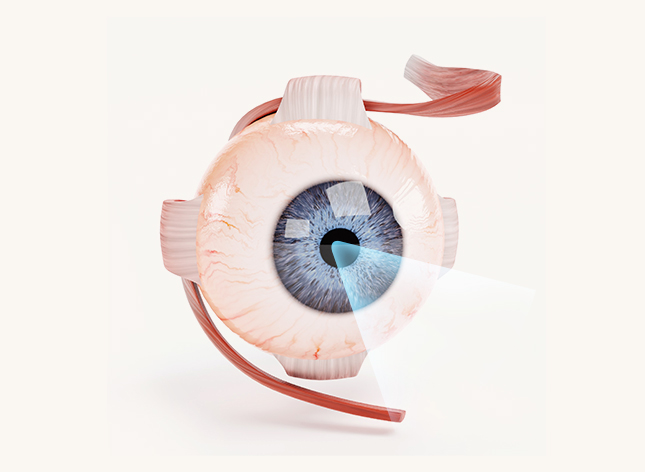
Glaucoma vs Normal Eye Pressure: What Every Adult in Seoul Should Know
Understanding intraocular pressure (IOP) and glaucoma risk — an expert guide from Nunehim Eye Center, Yeongdeungpo, Seoul
Q. What is the difference between glaucoma and normal eye pressure?
Normal intraocular pressure (IOP) ranges from 10–21 mmHg. Glaucoma is a group of eye diseases where elevated or fluctuating eye pressure damages the optic nerve, leading to irreversible vision loss. Critically, some people develop glaucoma even with “normal” IOP (normal-tension glaucoma), which is especially prevalent in Korea. Early detection through regular eye exams is the only way to prevent permanent damage — and residents of Yeongdeungpo, Guro, and Gasan should not wait for symptoms before getting checked.
Q. What exactly is glaucoma eye pressure, and why does it matter?
Glaucoma eye pressure — or elevated intraocular pressure (IOP) — refers to the force exerted by the fluid inside your eye (aqueous humor) against the eye wall. When this fluid does not drain properly, pressure builds up and compresses the optic nerve. Over time, this compression kills retinal ganglion cells, creating irreversible blind spots. Korea has one of the highest rates of glaucoma in Asia, affecting approximately 3.5% of adults over 40 — yet over 90% of cases remain undiagnosed because the disease is painless in its early stages. Residents of busy urban areas like Yeongdeungpo and Guro are particularly at risk due to high rates of myopia, which independently increases glaucoma risk.
📊 Glaucoma in Korea: Key Statistics
- ▸ 3.5% of Koreans over age 40 have glaucoma (Korean Glaucoma Society, 2023)
- ▸ Over 90% of glaucoma cases in Korea are undiagnosed at any given time
- ▸ Normal-tension glaucoma (NTG) accounts for ~77% of Korean open-angle glaucoma cases — far higher than Western populations
- ▸ High myopia (common in Seoul urban areas like Gasan and Gwanak) doubles to triples glaucoma risk
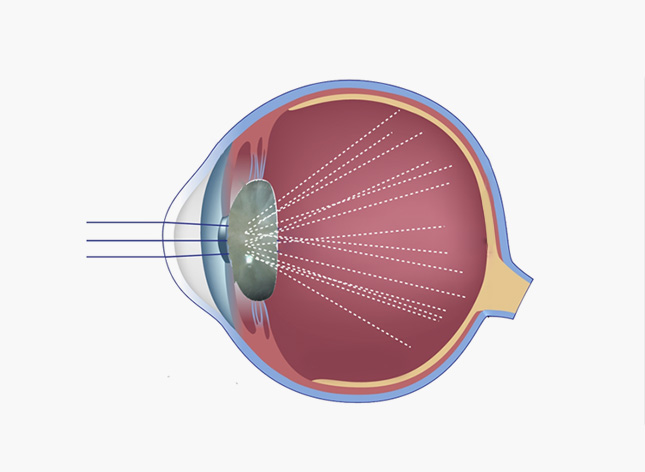
Q. What are the main types of glaucoma and how is eye pressure involved?
The two most common types are open-angle glaucoma, where drainage channels slowly clog causing gradual IOP rise, and normal-tension glaucoma (NTG), where optic nerve damage occurs despite IOP within the normal range (10–21 mmHg). NTG is disproportionately common in East Asian populations, especially in Korea, making it critical that Seoul residents get comprehensive optic nerve assessments — not just IOP checks.
Angle-closure glaucoma, more acute in presentation, causes sudden IOP spikes with eye pain, headache, and nausea. If you experience these symptoms in Yeongdeungpo, Guro, or anywhere in Seoul, seek urgent ophthalmic care immediately. At Nunehim Eye Center, we perform gonioscopy and OCT optic nerve imaging to distinguish between these types accurately.
Q. What are the warning signs of glaucoma and elevated eye pressure?
Open-angle glaucoma — the most common form in Korea — is called the “silent thief of sight” because it causes no pain and vision loss begins at the periphery, where it goes unnoticed until advanced stages. By the time most patients notice tunnel vision, up to 40% of optic nerve fibers may already be lost. This is why annual screening is essential for all adults over 40 in Gasan, Gwanak, and the broader Yeongdeungpo area.
Warning signs to watch for include: sudden eye pain or redness (possible angle-closure), halos around lights at night, frequent prescription changes, or a family history of glaucoma. If you wear glasses for myopia, your risk is elevated and you should have IOP checked annually even before age 40.
Q. When should Seoul residents see an ophthalmologist for glaucoma screening?
- Age 40 or older — annual comprehensive eye exam including IOP measurement
- Family history of glaucoma — screening should begin by age 35
- Diabetes or hypertension — systemic vascular risk factors for NTG
- Previous eye injury or steroid use — secondary glaucoma risk
- Any sudden eye pain, vision changes, or halos — seek same-day or urgent care
🟡 Early Stage
Mild peripheral visual field loss. Often unnoticed. IOP may or may not be elevated. OCT shows early optic nerve thinning. Treatable with eye drops.
🟠 Moderate Stage
Significant visual field defects. Tunnel vision begins. Requires combination medical therapy and possible laser treatment (SLT). Regular follow-up every 3–6 months.
🔴 Advanced Stage
Severe visual field loss affecting central vision. May require surgical intervention (trabeculectomy or tube shunt). Vision loss at this stage is irreversible — early detection is critical.
A Note from Dr. Daniel Baik
“In my practice at Nunehim Eye Center in Yeongdeungpo, I see many patients who discover glaucoma only after significant vision loss — simply because they had no pain and assumed their eyes were fine. In Korea, where normal-tension glaucoma is so prevalent, I cannot stress enough: a normal-feeling eye is not necessarily a healthy eye. I encourage every adult in Guro, Gasan, and the surrounding areas to schedule a comprehensive eye exam that includes optic nerve imaging, not just a basic pressure check.”
— Dr. Daniel Baik, Board-Certified Ophthalmologist | Nunehim Eye Center, Seoul
❓ Frequently Asked Questions About Glaucoma Eye Pressure in Seoul
Q. Is 21 mmHg always too high for eye pressure?
Not necessarily. The normal range is 10–21 mmHg, but whether pressure is “too high” depends on your individual optic nerve’s tolerance. Some people develop glaucoma at 17 mmHg (normal-tension glaucoma), while others tolerate 23–24 mmHg without damage. A complete evaluation — including OCT nerve imaging and visual field testing — is needed to assess your personal risk.
Q. Can glaucoma be cured?
Glaucoma cannot be cured, but it can be effectively controlled with eye drops, laser therapy (SLT), or surgery to prevent further optic nerve damage. Vision already lost to glaucoma cannot be recovered — which is why early detection and consistent treatment adherence are so important. Most patients who are diagnosed early and treated properly maintain functional vision for life.
Q. Does myopia (nearsightedness) increase glaucoma risk?
Yes. High myopia (above -6.00 diopters) is a significant independent risk factor for glaucoma, particularly normal-tension glaucoma. The elongated eyeball structure in high myopia makes the optic nerve more vulnerable to pressure-related damage. Given that Korea has near-universal myopia among school-age children in areas like Gwanak and Yeongdeungpo, this is a major public health concern.
Q. How is glaucoma diagnosed in Seoul?
Diagnosis requires a multi-test approach: tonometry (IOP measurement), gonioscopy (drainage angle examination), OCT (optic nerve and RNFL thickness analysis), and automated visual field testing. At Nunehim Eye Center in Yeongdeungpo, we use the latest diagnostic equipment to provide accurate, comprehensive glaucoma assessments. A single IOP reading is never sufficient for diagnosis.
Q. Can I get a glaucoma screening in English in Seoul?
Yes. At Nunehim Eye Center, Dr. Daniel Baik provides full consultations in both Korean and English. This is particularly important for expats living in Yeongdeungpo, Gasan, and Guro who need clear explanations of their diagnosis and treatment plan. We welcome international patients and can provide documentation in English for health insurance purposes.
Q. How often should I have my eye pressure checked?
Adults over 40 should have IOP checked at least once a year. Those with risk factors (family history, high myopia, diabetes, previous eye injury) should be checked every 6–12 months. If you’ve already been diagnosed with glaucoma or ocular hypertension, your follow-up schedule will be tailored by your ophthalmologist — typically every 3–6 months.
Q. What glaucoma treatments are available at Nunehim Eye Center?
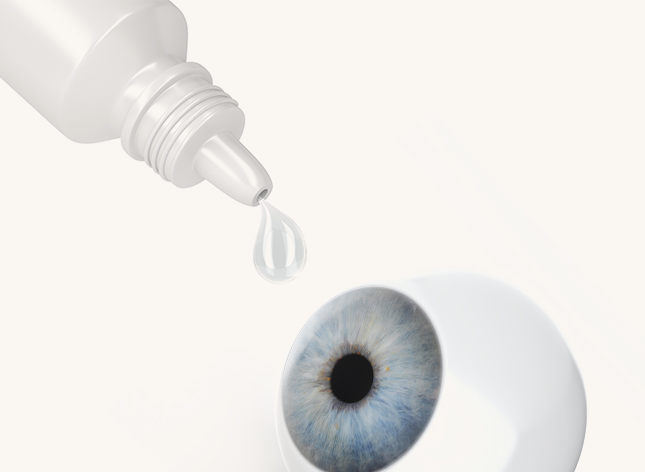
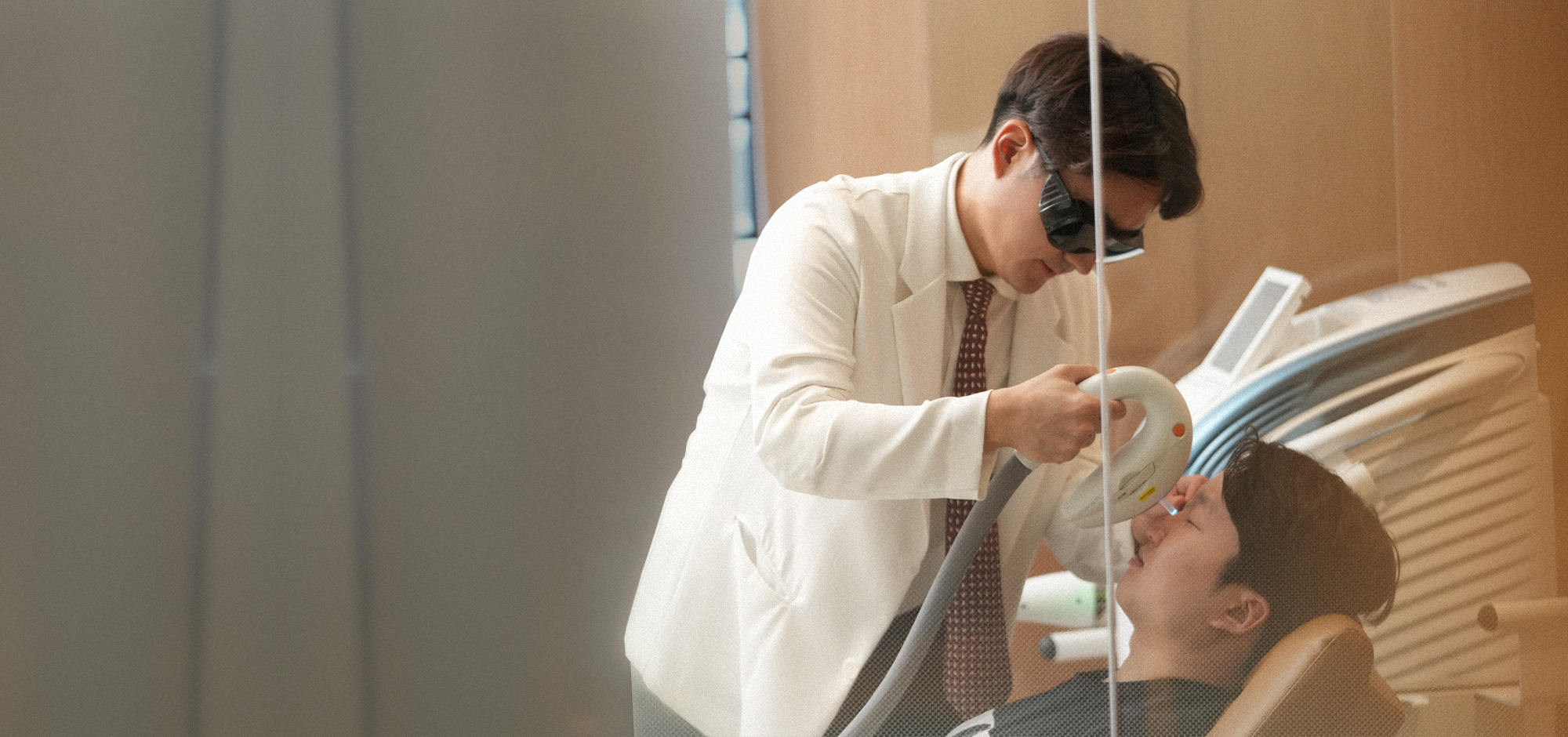
We offer comprehensive glaucoma management including topical IOP-lowering eye drops (prostaglandin analogues, beta-blockers, carbonic anhydrase inhibitors), selective laser trabeculoplasty (SLT) for open-angle glaucoma, and YAG laser iridotomy for angle-closure risk reduction. For advanced cases requiring surgery, we coordinate referrals to specialized surgical centers. We also provide detailed guidance in English for our international patients in Seoul.

Protect Your Vision — Book a Glaucoma Screening at Nunehim Eye Center
Serving Yeongdeungpo · Guro · Gasan · Gwanak | Korean & English Consultations
📍 Visit Nunehim Eye Center — Yeongdeungpo, Seoul
Convenient access from Yeongdeungpo, Guro, Gasan, Gwanak & Dongjak. Near Yeongdeungpo-gu Office Station (Line 5) and Guro Digital Complex area.
📌 Location
Yeongdeungpo-gu, Seoul
nunehim.com
🕐 Hours
Mon–Fri: 9:00–18:00
Saturday: 9:00–13:00
🌐 Languages
Korean & English
Consultations available


Leave a comment