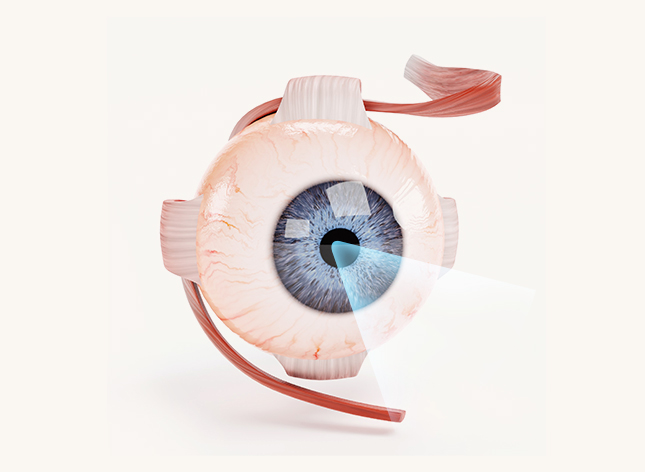
How Often Should You Get an Eye Exam? A Guide for Expats in Seoul
Eye exam frequency, what to expect, and where to go in Yeongdeungpo, Guro, and Gasan — from Nunehim Eye Center
Q. How often should you get an eye exam in Seoul?
Most adults should have a comprehensive eye exam every 1–2 years. Adults over 40 should go annually due to increased risk of glaucoma, cataracts, and macular degeneration. Children need annual checks from age 3–4. Expats in Seoul — particularly those in Yeongdeungpo, Guro, and Gasan — often overlook eye health when settling in Korea, but access to high-quality English-friendly ophthalmology is readily available at Nunehim Eye Center.
Q. Why do eye exams matter for expats living in Seoul?
Eye exams are far more than a vision check. A comprehensive eye exam how often Seoul residents need to ask is at least annually — because it screens for conditions like glaucoma, diabetic retinopathy, hypertensive retinopathy, macular degeneration, and dry eye disease, many of which cause no symptoms until advanced stages. For expats relocating to Korea, establishing care with an English-speaking ophthalmologist in Yeongdeungpo, Guro, or Gasan is an important first step in managing your overall health. Korea’s high pollution levels, extensive screen time culture, and near-universal myopia make eye care particularly important in cities like Seoul.
📊 Eye Health in Seoul: Why Regular Exams Matter
- ▸ Over 95% of Korean school-age children are myopic — the highest rate in the world
- ▸ Glaucoma affects 3.5% of Koreans over 40, with >90% undiagnosed
- ▸ Digital eye strain is reported by over 60% of Korean office workers (including expats in Yeongdeungpo and Guro business districts)
- ▸ Dry eye disease prevalence exceeds 30% in urban Korean adults due to pollution and screen exposure
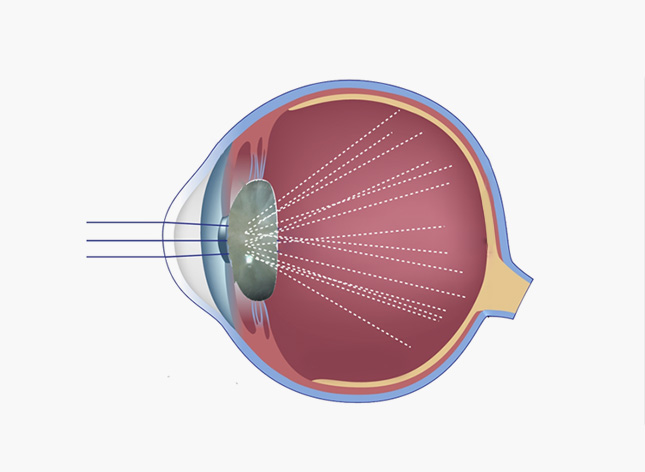
Q. How often should children and adults get eye exams in Korea?
For children: first exam at 6 months, again at age 3, then annually through school age. Korea’s high myopia prevalence — especially in Gwanak and Gasan school districts — means catching myopia progression early is critical. OK lens (orthokeratology) therapy is available at Nunehim Eye Center to slow myopia progression in children aged 8 and older.
For adults aged 20–39 with healthy eyes and no risk factors: every 2 years is generally sufficient. Adults aged 40 and older should have annual exams. Once presbyopia begins (typically around age 45), prescription changes become more frequent, and monitoring for early glaucoma and cataracts is essential. Expats in Yeongdeungpo and Guro can easily access these services at Nunehim Eye Center.
Q. What does a comprehensive eye exam in Seoul include?
A full eye exam at Nunehim Eye Center covers visual acuity testing, refraction (your glasses prescription), intraocular pressure measurement (glaucoma screening), anterior segment examination (cornea, lens), dilated fundus exam (retina and optic nerve), and OCT imaging when indicated. For contact lens wearers, corneal topography is also performed. The entire exam takes approximately 60–90 minutes with dilation.
All consultations with Dr. Daniel Baik are available in both Korean and English, making Nunehim Eye Center the preferred choice for expats in Yeongdeungpo, Gasan, and Gwanak who want clear, detailed explanations of their eye health in their own language.
Q. When should you see an eye doctor sooner than your scheduled exam?
- Sudden vision loss or significant blurring in one or both eyes
- Flashes of light or a sudden increase in floaters (possible retinal detachment)
- Eye pain, redness, or discharge that doesn’t resolve within 24 hours
- Double vision (diplopia) — requires urgent neurological and ophthalmic workup
- Trauma to the eye — never delay evaluation after eye injury
- Halos around lights, especially at night (possible glaucoma or cataract)
👶 Children (Under 18)
Annual exams from age 3. Earlier if squinting, head tilting, or complaints of blurry vision. Critical for catching myopia early — especially in high-risk Gasan and Gwanak school populations.
🧑 Adults 20–39
Every 2 years if healthy. Annually if you wear glasses or contacts, have a family history of eye disease, or work long hours at screens in Yeongdeungpo or Guro offices.
👴 Adults 40+
Annual comprehensive exams. Screening for glaucoma, cataracts, macular degeneration, and diabetic retinopathy. Korean guidelines recommend IOP measurement and fundus exam every year after 40.
Dr. Daniel Baik’s Advice for Expats in Seoul
“One of the most common things I hear from expats who come to Nunehim Eye Center is that they haven’t had an eye exam since before moving to Seoul — sometimes for three or four years. Korea has world-class eye care and the cost of a comprehensive exam here is very reasonable. I encourage every expat in Yeongdeungpo, Guro, and Gasan to make a comprehensive eye exam part of their annual health routine, not just a reaction to a problem. Your eyes deserve the same proactive care you give to your general health.”
— Dr. Daniel Baik, Board-Certified Ophthalmologist | Nunehim Eye Center, Yeongdeungpo, Seoul
❓ Frequently Asked Questions — Eye Exams for Expats in Seoul
Q. Can I get an eye exam in English in Seoul?
Yes. Dr. Daniel Baik at Nunehim Eye Center in Yeongdeungpo conducts full ophthalmology consultations in English. This includes prescription assessments, disease screening, surgical consultations for LASEK/TransPRK and cataract surgery, and contact lens fittings. You can also receive documentation in English for your health insurance provider.
Q. How much does an eye exam cost in Korea?
Ophthalmology consultations in Korea are covered by the National Health Insurance (NHI) for Korean citizens and many long-term visa holders. Even for those paying out of pocket, a comprehensive eye exam in Seoul is significantly more affordable than in many Western countries. Contact Nunehim Eye Center directly for current pricing and to check your insurance eligibility.
Q. My vision seems fine — do I still need regular eye exams?
Absolutely. Many serious eye conditions — including glaucoma, diabetic retinopathy, and early macular degeneration — cause no symptoms until significant damage has occurred. In Korea, where normal-tension glaucoma is prevalent even in people with “normal” eye pressure, symptom-free adults are frequently diagnosed with early disease only because they came in for routine screening. Good vision does not mean healthy eyes.
Q. Does Nunehim Eye Center offer LASIK or refractive surgery?
Yes. We specialise in TransPRK (a form of LASEK) and 2-Day LASEK, which are surface ablation procedures ideal for patients with thin corneas or contact sport lifestyles. We do not perform SMILE LASIK. We also fit OK lenses (orthokeratology) for myopia control in children and adults who prefer non-surgical correction. Dr. Baik will advise on the best option for your corneal anatomy during your consultation in Yeongdeungpo.
Q. How do I book an eye exam appointment in Yeongdeungpo, Seoul?
Visit nunehim.com to book your appointment. Our clinic is located in Yeongdeungpo-gu, conveniently accessible from Guro, Gasan, Gwanak, and Dongjak via public transport. We offer both morning and afternoon slots Monday through Friday, and Saturday morning appointments.
Q. How often should I get eye exams if I wear contact lenses?
Contact lens wearers should have annual comprehensive eye exams regardless of age. Lens wear can cause corneal hypoxia, giant papillary conjunctivitis, and increases infection risk. Your prescription also needs regular verification. Expats in Guro and Gasan who are heavy contact lens users should prioritize these annual checks at Nunehim Eye Center.
Q. Do I need a referral to see an ophthalmologist in Korea?
No referral is needed to visit an ophthalmologist (안과 — angwa) in Korea. You can book directly with Nunehim Eye Center. For routine exams, simply call or book online at nunehim.com. For urgent symptoms (sudden vision loss, severe eye pain, trauma), visit immediately — no appointment needed for urgent presentations. We serve patients from across Yeongdeungpo, Guro, Gasan, and Gwanak.

Book Your Eye Exam in Seoul — English & Korean Available
Serving Yeongdeungpo · Guro · Gasan · Gwanak | Expert Care from Dr. Daniel Baik
📍 Visit Nunehim Eye Center — Yeongdeungpo, Seoul
Convenient access from Yeongdeungpo, Guro, Gasan, Gwanak & Dongjak. Near Yeongdeungpo-gu Office Station (Line 5).
📌 Location
Yeongdeungpo-gu, Seoul
nunehim.com
🕐 Hours
Mon–Fri: 9:00–18:00
Saturday: 9:00–13:00
🌐 Languages
Korean & English
Consultations available


Leave a comment