Allergic Conjunctivitis in Seoul: Causes, Symptoms & Relief
Itchy, red, watery eyes? Answers from a board-certified ophthalmologist at Nunehim Eye Center, Yeongdeungpo.
Q. What is allergic conjunctivitis?
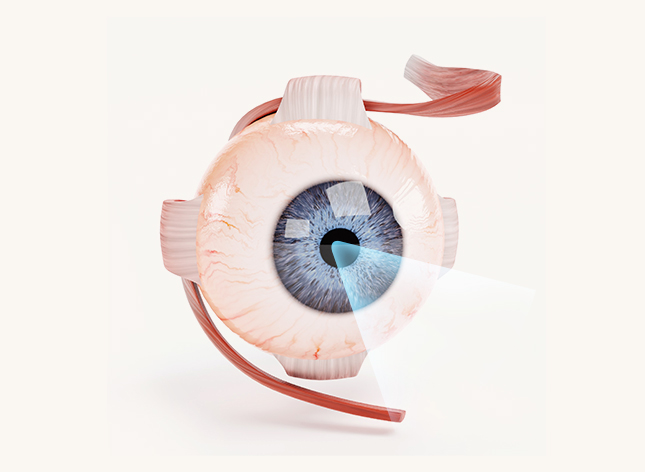
Allergic conjunctivitis is inflammation of the conjunctiva, the clear membrane covering the white of the eye and inner eyelid, triggered by allergens such as pollen, yellow dust, or pet dander. It causes itching, redness, watering, and eyelid swelling. It is not contagious, and most cases improve quickly with the right treatment.
Q. Why is allergic conjunctivitis so common in Seoul?
Seoul’s spring pollen season and recurring yellow dust (hwangsa) and fine-dust (PM2.5) episodes are major triggers for ocular allergy symptoms across the city. In our Yeongdeungpo, Guro, and Gasan service area, we see a sharp seasonal rise in patients from nearby office and residential districts, including Gwanak and Dongjak, reporting itchy, watery eyes each spring and into early autumn ragweed season. Indoor heating in winter and air-conditioned offices in summer also dry the ocular surface, making eyes more reactive to airborne allergens year-round.
Q. What are the symptoms of allergic conjunctivitis?
- Itching, the hallmark symptom, usually in both eyes
- Redness and a watery or stringy mucus discharge
- Swollen, puffy eyelids
- A burning or gritty sensation
- Mild sensitivity to light
- Symptoms that flare with pollen, dust, or pet exposure
Q. How common is this in Korea?
- Ocular itching and watering are reported in the large majority of patients who also have allergic rhinitis (hay fever), since the nose and eyes share the same allergic pathway
- Clinic visits for allergic conjunctivitis rise sharply during Korea’s spring pollen and yellow-dust season, roughly February through May
- Higher PM2.5 fine-dust days in Seoul are consistently linked with more eye irritation and allergy flare-ups
- Long-term contact lens wearers in dusty, air-conditioned office environments, common across Yeongdeungpo and Gasan business districts, report more frequent allergic flare-ups
Q. How is allergic conjunctivitis treated?
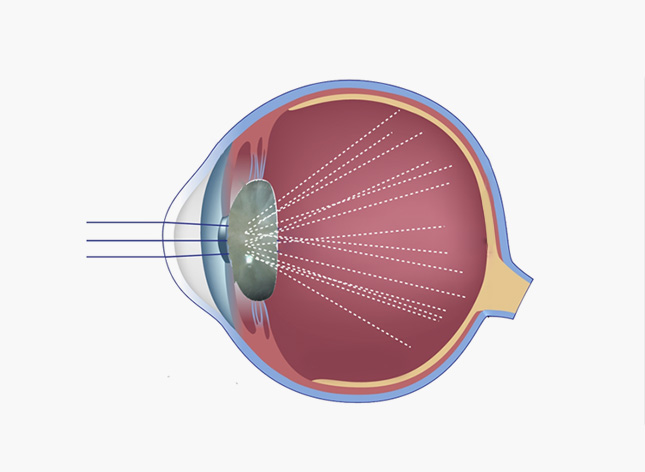
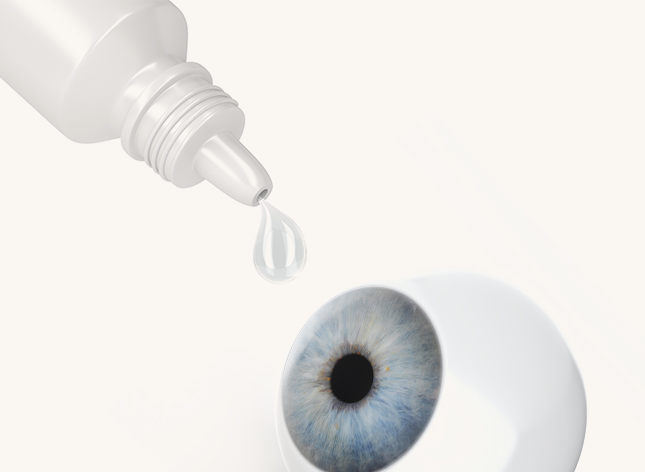
Most cases respond well to a combination of cold compresses, preservative-free artificial tears to flush allergens, and antihistamine or mast-cell-stabilizer eye drops. Oral antihistamines help when nasal symptoms are also present. Avoid rubbing your eyes, since this releases more histamine and worsens swelling.
For persistent or more severe flares, your ophthalmologist may prescribe a short course of topical steroid drops under close supervision. If you wear contact lenses, switching to glasses during a flare-up speeds recovery considerably.
Q. How is this different from viral or bacterial conjunctivitis?
Allergic conjunctivitis is itch-dominant, affects both eyes, is not contagious, and tends to follow a seasonal pattern. Viral conjunctivitis often starts in one eye before spreading to the other, may come with cold symptoms, and is contagious. Bacterial conjunctivitis typically produces thicker yellow-green discharge that can crust the eyelids shut overnight, and is also contagious. Because these conditions are treated differently, an accurate diagnosis matters.
Q. When does allergic conjunctivitis need urgent attention?
- Blurred vision that does not clear with blinking
- Significant eye pain, rather than itching or irritation alone
- Severe light sensitivity
- Thick discharge suggesting a possible bacterial infection
- No improvement after one to two weeks of standard treatment
- New redness and pain in a contact lens wearer, to rule out keratitis
Seasonal Allergic Conjunctivitis
The most common type, triggered by spring and autumn pollen and yellow dust, flaring for weeks at a time.
Perennial Allergic Conjunctivitis
Year-round symptoms from indoor allergens such as dust mites, mold, or pet dander.
Vernal / Atopic Keratoconjunctivitis
Rarer, more severe forms, often in patients with atopic disease. These need specialist follow-up to protect the cornea.
A note from Dr. Daniel Baik
As a board-certified ophthalmologist seeing patients across Yeongdeungpo, Guro, and Gasan, I see a sharp rise in allergic conjunctivitis every spring as pollen and yellow-dust levels climb. Most cases respond very well once treatment starts early. The most important thing patients can do is stop rubbing their eyes and come in if symptoms do not settle within a week or two.
❓ Frequently Asked Questions
Q. Is allergic conjunctivitis contagious?
No. Unlike viral or bacterial conjunctivitis, allergic conjunctivitis cannot be passed to others.
Q. Can children get allergic conjunctivitis?
Yes, it is common in children who have other allergies. Cold compresses and pediatric-safe antihistamine drops are usually first-line.
Q. Can I wear contact lenses with allergic conjunctivitis?
It is best to switch to glasses during a flare-up, since lenses trap allergens against the eye and can worsen irritation.
Q. Do I need prescription eye drops?
Mild cases often respond to over-the-counter antihistamine drops and artificial tears. Persistent or severe cases benefit from prescription options reviewed with your ophthalmologist.
Q. How long do symptoms last?
Seasonal flares typically last days to a few weeks depending on pollen exposure; perennial allergic conjunctivitis can persist as long as the allergen exposure continues.
Q. Can allergic conjunctivitis cause permanent eye damage?
Typical cases rarely cause lasting damage. The rarer vernal and atopic forms can affect the cornea and need closer monitoring.
Q. When should I see an ophthalmologist in Seoul rather than just using over-the-counter drops?
If symptoms last more than two weeks, keep recurring every season, or affect your vision, a clinic visit helps confirm the diagnosis and find the right long-term treatment.

Book a Consultation
Nunehim Eye Center · nunehim.com · Yeongdeungpo, Seoul
📍 Visit Nunehim Eye Center — Guro, Seoul
Convenient access from Guro, Gasan, Gwanak & Dongjak. Near Guro Digital Complex Station (Line 2).
Address: Guro-gu, Seoul · nunehim.com
Hours: Mon–Fri 9–6, Sat 9–1
Languages: Korean & English


Leave a comment