Diabetic Eye Disease: What People with Diabetes Must Know
Protecting your vision in Yeongdeungpo, Guro, Gasan & Gwanak
Q. What is diabetic eye disease?
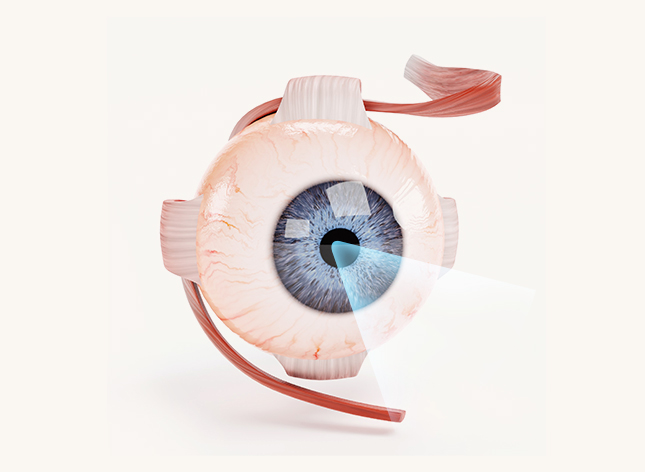
Diabetic eye disease — most often diabetic retinopathy — develops when long-term high blood sugar damages the tiny blood vessels of the retina. It is one of the leading causes of preventable blindness worldwide, and Seoul is no exception. The reassuring part: with annual screening and timely treatment, serious vision loss from diabetic eye disease is largely avoidable.
Q. How does diabetes damage the eyes?
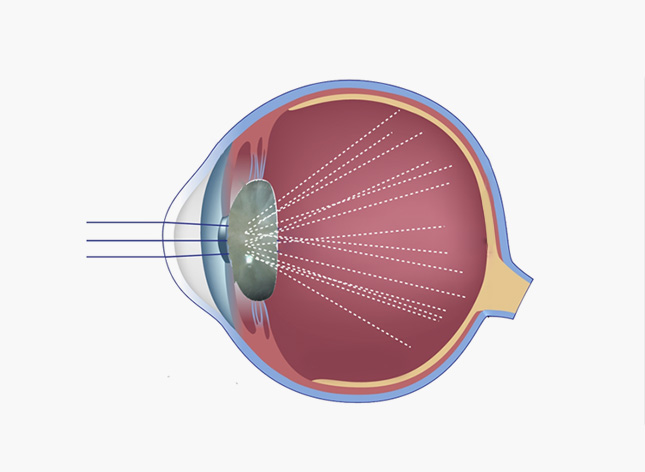
High blood sugar weakens and narrows the blood vessels that nourish the retina, the light-sensitive layer at the back of the eye. Over time, these vessels can leak fluid (causing diabetic macular edema), become blocked, or trigger the growth of abnormal new vessels that bleed easily (proliferative diabetic retinopathy). Diabetes also raises the risk of cataracts and certain types of glaucoma, so a full eye exam — not just a vision check — is essential for anyone living with diabetes in Yeongdeungpo, Guro, or the wider Seoul area.
▸ Around 16.7% of Korean adults aged 30 and older live with diabetes — roughly 6 million people nationwide, according to national health survey (KNHANES) data.
▸ National screening data show that roughly one in four people with diagnosed diabetes in Korea (about 24–26%) already shows some degree of diabetic retinopathy.
▸ Diabetes duration of 10 years or more and poorly controlled blood pressure are among the strongest predictors of retinopathy progression.
▸ An annual dilated eye exam is recommended for nearly every diabetic patient, even those with no noticeable vision changes.
Q. What are the treatment options for diabetic eye disease?
Good blood sugar, blood pressure, and cholesterol control remain the foundation of prevention and form the first line of defense against diabetic eye disease for patients across Seoul.
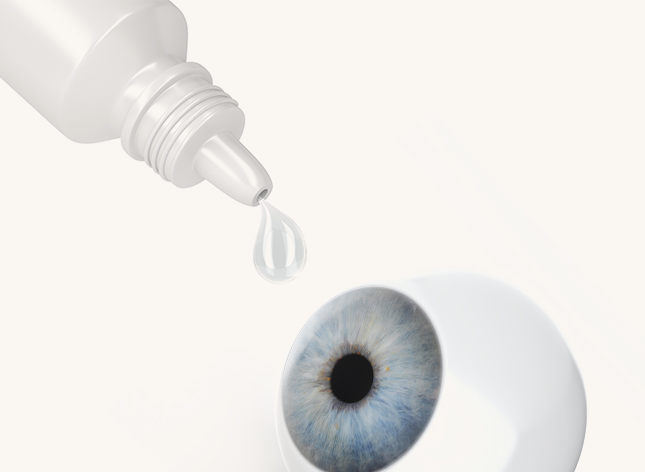
When retinopathy or macular edema is already present, options include anti-VEGF injections to reduce swelling and abnormal vessel growth, laser photocoagulation to stabilize the retina, and — in advanced cases — vitrectomy surgery to clear bleeding inside the eye. The right approach depends on the stage of disease and is decided after a full retinal evaluation.
Q. Who is most at risk in Yeongdeungpo, Guro, and Gasan?
Office workers in the Yeongdeungpo and Gasan business districts who manage diabetes alongside long sedentary hours, older residents of Guro and Gwanak with longstanding type 2 diabetes, and pregnant women with gestational diabetes are among the groups we see most often for diabetic eye screening. Anyone with diabetes — regardless of age — should treat an annual dilated eye exam as a non-negotiable part of their care plan.
Q. What symptoms should never be ignored?
- Blurred or fluctuating vision that changes throughout the day
- New dark spots, floaters, or cobweb-like shapes drifting across your vision
- Difficulty seeing at night or adjusting to dim light
- Colors appearing faded or washed out
- Sudden vision loss or a curtain-like shadow in one eye — this needs same-day evaluation
Mild NPDR
Small areas of blood vessel swelling (microaneurysms) appear in the retina. Most patients notice no symptoms. Annual monitoring is usually sufficient.
Moderate–Severe NPDR
More extensive vessel damage, bleeding, and blocked vessels. Follow-up every 3–6 months is typically recommended, since progression risk rises.
Proliferative DR
Abnormal new vessels grow and bleed easily, raising the risk of severe vision loss and retinal detachment. Prompt treatment is needed to protect sight.
As a board-certified ophthalmologist treating patients across Yeongdeungpo, Guro, and Gasan, I see again and again how quietly diabetic eye disease can progress before a patient notices any change in their vision. My advice to every diabetic patient is simple: don’t wait for symptoms. An annual dilated eye exam is the single most effective step you can take to protect your sight.
— Dr. Daniel Baik, Board-Certified Ophthalmologist
❓ Frequently Asked Questions
Q. Can diabetic eye disease be reversed?
Early diabetic macular edema can often improve significantly with treatment and better blood sugar control, but vision already lost to advanced retinal damage typically cannot be fully restored — which is why early detection matters so much.
Q. How often should diabetics in Seoul get eye exams?
Most patients should have a dilated eye exam once a year. If retinopathy is already present, your ophthalmologist may recommend checks every 3 to 6 months.
Q. Does it matter if I have type 1 or type 2 diabetes?
Both types can cause diabetic retinopathy. Type 1 patients are generally advised to begin screening about five years after diagnosis, while type 2 patients should be screened starting at the time of diagnosis, since the disease may have been present silently for years.
Q. Are anti-VEGF eye injections painful?
They are performed under topical anesthesia, and most patients describe only brief pressure or mild discomfort. The procedure itself takes just a few minutes.
Q. If my blood sugar is well controlled, do I still need eye exams?
Yes. Good control significantly lowers your risk but doesn’t eliminate it entirely, so regular screening remains important even with well-controlled diabetes.
Q. Is diabetic eye screening covered by Korean National Health Insurance?
Coverage can vary by specific test and individual circumstances, so we recommend confirming your coverage with our front desk or the National Health Insurance Service before your visit.
Q. What should I bring to my diabetic eye exam?
Bring your recent HbA1c results if available, a list of current medications, and sunglasses, since your eyes will be dilated and light-sensitive afterward.

Protect Your Vision Today
Schedule a comprehensive diabetic eye exam at Nunehim Eye Center, serving Yeongdeungpo, Guro, Gasan, and Gwanak. Korean & English consultations available.
📍 Visit Nunehim Eye Center — Guro, Seoul
Convenient access from Guro, Gasan, Gwanak & Dongjak. Near Guro Digital Complex Station (Line 2).
Address: Guro-gu, Seoul
nunehim.com
Hours: Mon–Fri 9–6
Sat 9–1
Languages: Korean & English


Leave a comment