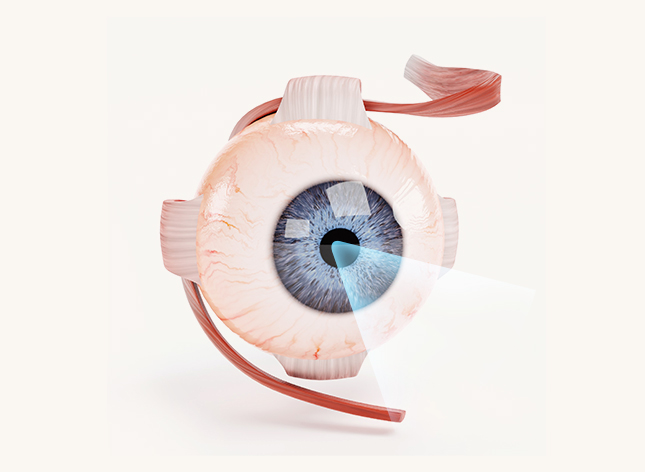
Amblyopia (Lazy Eye) Treatment for Children in Seoul
Expert pediatric eye care at Nunehim Eye Center, Guro · Yeongdeungpo · Seoul
Q. What is the best treatment for amblyopia (lazy eye) in children?
Amblyopia treatment in children is most effective when started early — ideally before age 7 — and typically involves corrective glasses combined with patching or atropine eye drops to strengthen the weaker eye. At Nunehim Eye Center in Guro, Seoul, Dr. Daniel Baik tailors each treatment plan to the child’s age, severity, and cause of amblyopia, giving them the best chance at normal vision.
Q. What exactly is amblyopia (lazy eye)?
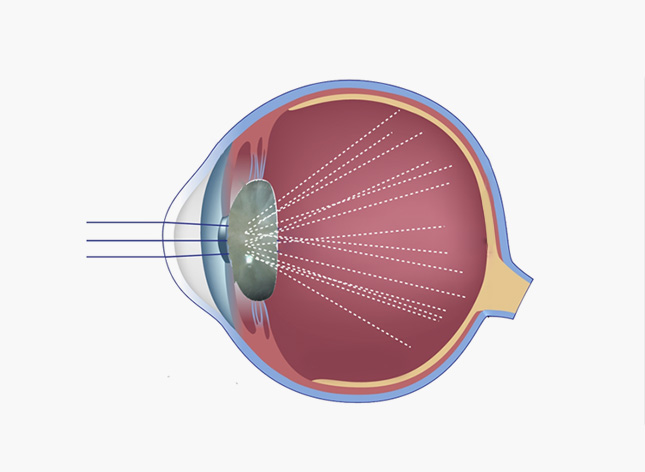
Amblyopia — commonly called “lazy eye” — is a condition where one eye fails to develop normal visual acuity during childhood, even with corrective lenses. It occurs when the brain favours one eye over the other, causing the weaker eye’s visual pathways to under-develop. In Seoul and across Korea, amblyopia affects approximately 2–3% of all children, making it one of the most common causes of childhood visual impairment. Early intervention is crucial: the visual system is most “plastic” — responsive to treatment — before age 7, though treatment can still be effective up to age 12 or beyond.
Q. What causes amblyopia in children?
The three main causes are: strabismus (misaligned eyes, causing the brain to ignore input from the turned eye), refractive amblyopia (a large difference in prescription between the two eyes — common in Korea where myopia rates exceed 90% among school-age children), and deprivation amblyopia (caused by obstruction such as congenital cataracts or ptosis). Anisometropic amblyopia — where one eye is significantly more short-sighted or long-sighted than the other — is particularly prevalent in Korean children due to the high myopia burden.
Q. What are the warning signs of amblyopia in my child?
- One eye that wanders or appears misaligned
- Squinting or closing one eye when reading or looking at distant objects
- Tilting the head to see better
- Poor depth perception or frequently misjudging distances
- Complaints of blurry vision in one eye
- Difficulty with reading, sports, or fine motor tasks
- Failing a school vision screening (common in Seoul elementary schools)
📊 Amblyopia in Korea: Key Statistics
- ▸ 2–3% of Korean children are affected by amblyopia — approximately 100,000–150,000 children nationwide
- ▸ Korea’s myopia prevalence exceeds 90% among high school students, increasing the risk of refractive amblyopia
- ▸ Children in Yeongdeungpo, Guro, and Gasan districts show higher rates of uncorrected refractive errors due to academic screen time
- ▸ Amblyopia diagnosed and treated before age 6 has a success rate of over 80% with consistent patching therapy
Q. What are the main amblyopia treatment options available in Seoul?
Corrective glasses or contact lenses are almost always the first step — correcting the underlying refractive error allows the brain to begin using the weaker eye more effectively. Many children show significant improvement in visual acuity with glasses alone within 3–6 months, particularly in Guro and Yeongdeungpo where routine pediatric eye exams catch problems early.
Patching therapy (occlusion therapy) involves covering the stronger eye with a patch for several hours per day, forcing the brain to use and develop the amblyopic eye. Patching is highly effective for strabismic and anisometropic amblyopia and remains the gold standard in Korean pediatric ophthalmology. Dr. Daniel Baik creates personalised patching schedules for each patient at Nunehim Eye Center in Guro, Seoul.
Q. Is atropine treatment effective for lazy eye?
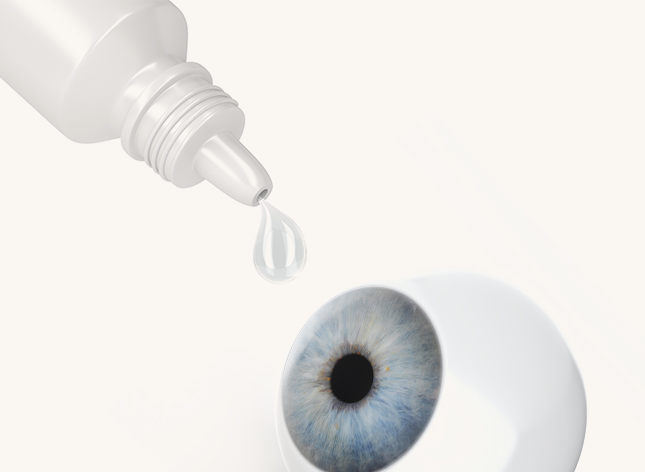
Atropine eye drops — applied to the stronger eye to temporarily blur its vision — are a well-researched alternative to patching that many children and families in Gwanak, Gasan, and across Seoul find easier to manage. Atropine is applied once daily (often on weekends only in milder cases) and has been shown to be equally effective as patching for moderate amblyopia.
Newer approaches include dichoptic therapy — special video games or apps that train both eyes simultaneously — and perceptual learning programs. These can supplement traditional treatments and are particularly useful for older children who find patching difficult. At Nunehim Eye Center, we guide families in Guro, Gwanak, and surrounding Seoul districts through all available options.
Q. When should I bring my child to an eye doctor in Seoul?
- First comprehensive eye exam recommended before age 3, then yearly in school-age children
- Immediately if you notice any eye turning (strabismus) at any age
- If your child fails a school vision screening in Yeongdeungpo, Guro, or Gasan
- If your child frequently squints, closes one eye, or tilts their head
- If there is a family history of amblyopia, strabismus, or high myopia
- If your child had any history of congenital cataract or lid surgery
👶 Ages 0–3
First screening. Deprivation amblyopia (cataract/ptosis) must be treated urgently. Spectacles prescribed if needed.
🧒 Ages 4–7 (Critical Window)
Highest success rates. Glasses + patching/atropine. 80%+ achieve normal vision if treated consistently.
🎓 Ages 8–12+
Treatment still possible but results vary. Newer dichoptic therapies show promise. Regular monitoring essential.
From Dr. Daniel Baik, Board-Certified Ophthalmologist
“Amblyopia is one of the most rewarding conditions to treat because, caught early, we can genuinely restore normal vision. In my clinic in Guro, Seoul, I see many families from Yeongdeungpo, Gasan, and Gwanak who weren’t aware their child had a problem until a school screening or routine visit. The key message I give every parent: don’t wait. If you have any concern about your child’s eyes, come in — the earlier we act, the better the outcome.”
— Dr. Daniel Baik, Nunehim Eye Center, Guro-gu, Seoul
❓ Frequently Asked Questions about Amblyopia Treatment Children Seoul
Q. Can amblyopia be cured completely?
Yes, in many cases — especially when treatment begins before age 7. With consistent glasses wear and patching, over 80% of children achieve visual acuity of 20/40 or better. Some achieve completely normal vision. Treatment initiated after age 10 is less predictable but still worth attempting.
Q. How many hours a day does my child need to wear the patch?
Typically 2–6 hours per day depending on severity. Moderate amblyopia often responds well to 2 hours of patching with near activities (reading, drawing). Severe cases may need 6 hours or more. Dr. Baik individualises each schedule at Nunehim Eye Center based on your child’s vision and age.
Q. Does my child need surgery for amblyopia?
Amblyopia itself does not require surgery — it is treated with glasses and patching/atropine. However, if the cause is strabismus (eye misalignment), surgery on the eye muscles may be recommended to align the eyes, which can then improve amblyopia treatment outcomes. Deprivation amblyopia from congenital cataract requires surgical removal of the cataract first.
Q. What age is too late to treat amblyopia?
Treatment is most effective under age 7 but can still benefit children up to age 12 and sometimes beyond. Recent research and clinical guidelines from Korean ophthalmology societies support treating amblyopia in older children and even some adults, though improvement may be more modest. Do not assume your child is “too old” — come to Nunehim Eye Center in Seoul for an evaluation.
Q. Are there clinics in Yeongdeungpo or Guro that treat amblyopia in English?
Yes — Nunehim Eye Center, located in Guro-gu and serving Yeongdeungpo, Gasan, and Gwanak, offers full consultations in both Korean and English. Dr. Daniel Baik is a board-certified ophthalmologist with expertise in pediatric eye conditions including amblyopia, strabismus, and myopia management. Expat families from across Seoul are welcome.
Q. Will my child need glasses forever?
Not necessarily forever, but glasses are usually needed throughout childhood and into adolescence to maintain the visual improvement achieved. In refractive amblyopia, glasses may be needed long-term to prevent recurrence. In some cases, as the child grows and their prescription stabilises, options like TransPRK or 2-Day LASEK (available at Nunehim Eye Center) can be considered once they reach adulthood.
Q. How is amblyopia diagnosed in Korea?
Diagnosis involves a comprehensive eye exam including best-corrected visual acuity testing, cycloplegic refraction (using dilating drops to measure the true prescription), cover test for strabismus, and assessment of the eye’s health. In Korea, school vision screenings in Guro, Yeongdeungpo, and Gwanak districts often flag children who then require a full ophthalmological evaluation.

Concerned About Your Child’s Vision? Book a Consultation in Seoul
Nunehim Eye Center · Guro-gu, Seoul · Korean & English consultations · Board-certified ophthalmologist Dr. Daniel Baik
📍 Visit Nunehim Eye Center — Guro, Seoul
Convenient access from Guro, Gasan, Gwanak & Dongjak. Near Guro Digital Complex Station (Line 2).
📌 Address
Guro-gu, Seoul
nunehim.com
🕐 Hours
Mon–Fri: 9:00–18:00
Sat: 9:00–13:00
🌐 Languages
Korean & English consultations available


Leave a comment