Strabismus (Crossed Eyes) in Children: Diagnosis & Treatment in Seoul
Expert paediatric eye care at Nunehim Eye Center — Yeongdeungpo, Seoul
Q. What Is Strabismus and Is It Treatable in Children?
Strabismus — commonly called crossed eyes or squint — is a condition where the two eyes do not align properly. One or both eyes may turn inward, outward, upward, or downward. Yes, strabismus is highly treatable, especially when caught early. Children seen at Nunehim Eye Center in Yeongdeungpo, Seoul, benefit from tailored treatment plans that can preserve and restore binocular vision during the critical developmental window.
Q. What Causes Strabismus in Children?
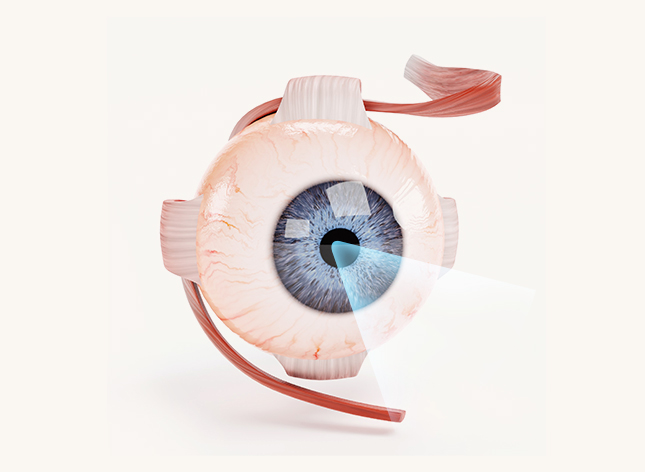
Strabismus occurs when the six extraocular muscles controlling eye movement are not properly coordinated. Common underlying causes include refractive errors (especially farsightedness), muscle imbalance, neurological conditions, and family history. Approximately 2–4% of children worldwide develop strabismus. In Korea, studies show that esotropia (inward turning) accounts for over 60% of paediatric cases in Seoul. Early intervention — ideally before age 7 — is critical because the brain’s visual pathways are still developing and respond far better to treatment during this window. Families from Guro, Gwanak, and Gasan frequently present at Nunehim Eye Center concerned about a child’s eye alignment.
Key Facts: Strabismus in Korea
- ▸ 2–4% of Korean children are diagnosed with strabismus
- ▸ Esotropia (inward crossing) accounts for ~60% of cases in Seoul
- ▸ South Korea has one of the highest rates of refractive error globally — a major strabismus risk factor
- ▸ Treatment success exceeds 85% when initiated before age 7
Q. How Is Strabismus Treated at Nunehim Eye Center?
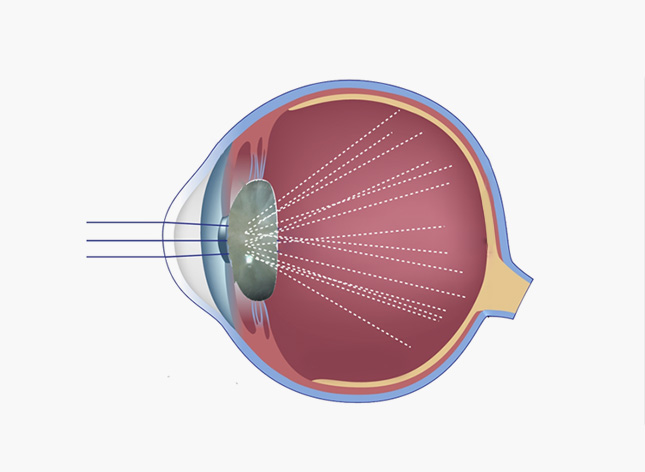
Treatment depends on the type, severity, and underlying cause of the strabismus. At Nunehim Eye Center in Guro, Seoul, Dr. Daniel Baik offers a comprehensive range of treatments. For many children, corrective glasses that address farsightedness can significantly reduce or eliminate the eye turn. Amblyopia patching therapy — covering the stronger eye to stimulate the weaker one — is a cornerstone of treatment when the brain has begun to suppress input from the misaligned eye.
When glasses and patching are insufficient, eye muscle surgery is recommended. This outpatient procedure adjusts the tension in one or more of the extraocular muscles to realign the eyes. Many children in Yeongdeungpo and surrounding Gasan and Gwanak areas undergo surgery and go on to develop excellent binocular vision.
Q. What Are the Signs of Strabismus in Children?
Unlike adults, children often do not complain of double vision — the brain adapts by suppressing the image from the misaligned eye. Parents in Guro, Gasan, and Yeongdeungpo should watch for eyes that appear to point in different directions, head tilting or turning to one side, squinting or closing one eye in bright light, poor depth perception, and eye fatigue after close work.
In infants under 4 months, occasional eye crossing is normal. Persistent misalignment after 4 months should always be professionally evaluated. Intermittent exotropia — where one eye drifts outward only when the child is tired or looking into the distance — is also common in Korea and should not be ignored.
Q. When Should My Child See a Seoul Eye Specialist?
- Eyes appear crossed, wandering, or misaligned at any age beyond 4 months
- Child consistently tilts head or covers one eye
- Family history of strabismus or amblyopia (lazy eye)
- Premature birth or neurodevelopmental conditions (strabismus is more common in these groups)
- Failed school vision screening
- Complaints of double vision, blurry vision, or eye discomfort
🔍 Diagnosis
Comprehensive exam including cover test, visual acuity, cycloplegic refraction, and fundus evaluation. Children as young as 6 months can be assessed at Nunehim Eye Center.
👓 Non-Surgical
Corrective glasses, prism lenses, and amblyopia patching. Vision therapy exercises may be recommended for certain strabismus types.
🏥 Surgery
Strabismus surgery adjusts extraocular muscle tension. Outpatient procedure under general anaesthesia, typically under one hour. Most children recover within a week.
A Note from Dr. Daniel Baik
“As a board-certified ophthalmologist, I see families from Yeongdeungpo, Guro, and Gwanak who are often surprised that their child’s ‘eye habit’ is a treatable medical condition. Strabismus does not resolve on its own — in fact, delaying treatment allows the brain to permanently suppress vision in the affected eye. The earlier we intervene, the better the outcome for your child’s vision.”
— Dr. Daniel Baik, Nunehim Eye Center, Seoul
❓ Frequently Asked Questions — Strabismus in Seoul
Q. Is strabismus surgery safe for young children?
Yes. Strabismus surgery is one of the most commonly performed paediatric procedures globally. At Nunehim Eye Center it is performed under general anaesthesia with a strong safety record. Risks are minimal and the benefits — restored alignment and binocular vision development — far outweigh them for most children.
Q. Can adults be treated for strabismus too?
Absolutely. While early treatment is ideal for developing binocular vision, adults with strabismus can also benefit from surgery, prism glasses, or Botox injections. Cosmetic improvement is significant and the psychological benefits of corrected eye alignment are well-documented.
Q. How long does amblyopia patching take to work?
Patching therapy for amblyopia associated with strabismus typically takes 3–6 months of consistent use, depending on severity. Children aged 3–7 respond fastest. Even older children and teenagers can benefit. Regular follow-up at our Guro clinic ensures therapy is on track.
Q. Do glasses fix strabismus permanently?
For accommodative esotropia — the type caused by uncorrected farsightedness — glasses alone can fully correct the eye turn. These children must continue wearing glasses while the accommodation reflex is active. Other strabismus types may require glasses plus additional treatment. Our Nunehim Eye Center specialists create personalised plans.
Q. Will my child’s strabismus get worse without treatment?
In most cases, untreated strabismus does not self-resolve and can worsen over time. More critically, the brain will suppress the input from the misaligned eye, leading to permanent vision loss in that eye (amblyopia). Early treatment preserves both visual acuity and depth perception.
Q. Where can expats in Seoul get a paediatric eye exam in English?
Nunehim Eye Center in Yeongdeungpo offers consultations in both Korean and English. Dr. Daniel Baik is experienced in communicating clearly with English-speaking families from the Guro, Gasan, and Gwanak areas. Appointments can be made via nunehim.com.
Q. Is strabismus treatment covered by Korean national health insurance?
Many strabismus treatments — including surgical correction and corrective glasses — are partially covered by Korean National Health Insurance (건강보험). Coverage depends on the specific diagnosis and treatment plan. Our Nunehim Eye Center staff can guide you through the process in both Korean and English.

Book a Consultation at Nunehim Eye Center
Expert strabismus care for children and adults — Yeongdeungpo, Seoul
📍 Visit Nunehim Eye Center — Guro, Seoul
Convenient access from Guro, Gasan, Gwanak & Dongjak. Near Guro Digital Complex Station (Line 2).
📌 Address
Yeongdeungpo-gu, Seoul
nunehim.com
🕐 Hours
Mon–Fri: 9:00–18:00
Sat: 9:00–13:00
🌐 Languages
Korean & English consultations available


Leave a comment