Contact Lens Care: The Complete Guide for Daily Wear in Seoul
Expert guidance from Dr. Daniel Baik, board-certified ophthalmologist at Nunehim Eye Center, Guro, Seoul.
Q. What is the most important rule for safe contact lens wear in Seoul?
The single most important rule is: always wash your hands before handling lenses, follow an 8–10 hour daily wear limit, and never sleep in your lenses. In Seoul, where high pollution and long screen hours place extra strain on eyes, proper contact lens care is the most effective way to prevent corneal infections, dry eye, and long-term vision damage.
Q. What is contact lens care and why is it especially important in Seoul?
Contact lens care encompasses every practice that keeps your lenses safe: hand hygiene, correct cleaning and storage, following replacement schedules, and attending regular eye exams. In Seoul, where an estimated 3 million people wear contact lenses and PM2.5 air pollution frequently exceeds WHO safety thresholds, these routines are even more critical. Airborne particles in Guro, Yeongdeungpo, and Gasan adhere to lens surfaces throughout the day, increasing the risk of inflammatory and infectious complications. Proper contact lens care in Seoul is not optional — it is a daily medical necessity.
Q. What symptoms indicate a contact lens problem?
- Persistent redness or irritation that continues after removing lenses
- Blurred or hazy vision that worsens during the day
- Excessive tearing or unusual discharge from the eye
- Sensitivity to light (photophobia) while wearing lenses
- A gritty or foreign-body sensation that won’t go away
- Dry, burning discomfort — particularly in air-conditioned offices in Yeongdeungpo, Guro, or Gwanak
📊 Contact Lens Use in Korea: Key Statistics
▸ Korea has one of the highest contact lens usage rates in Asia — approximately 12% of the population wears lenses regularly.
▸ Up to 40% of Korean contact lens wearers report chronic dry eye symptoms, compared to ~20% globally.
▸ Seoul’s PM2.5 fine dust regularly exceeds WHO guidelines, accelerating protein deposit buildup on lens surfaces.
▸ Corneal infections are 4× more likely in wearers who exceed recommended daily wearing times, according to Korean ophthalmology research.
Q. How do I clean and store contact lenses correctly?
Always use a fresh, unexpired multipurpose solution — never tap water or saliva. After removal, rub each lens gently with solution for 20 seconds per side, then rinse and place in a clean case filled with fresh solution. Replace your lens case every 1–3 months to prevent biofilm buildup, a common cause of recurrent eye infections.
Hydrogen peroxide-based systems (such as AOSEPT or ClearCare) offer superior disinfection and are recommended by Dr. Daniel Baik for patients with lens sensitivity or seasonal allergies — common among residents of Guro and Gwanak where urban air quality varies throughout the year. Remember to allow the full 6-hour neutralisation cycle before inserting lenses.
Q. What contact lens options are available at an eye clinic in Seoul?
Nunehim Eye Center in Guro fits all major lens types: soft daily disposables (best for Seoul’s pollution and long office hours), toric lenses for astigmatism, multifocal lenses for presbyopia, and OK lenses (orthokeratology) — rigid gas-permeable lenses worn overnight to reshape the cornea, providing clear daytime vision without any daytime lens wear. OK lens therapy is especially popular for myopia control in children and young adults from Yeongdeungpo, Gasan, and Gwanak.
Coloured cosmetic lenses are popular in Korea but carry higher infection risks when purchased without a prescription. Always obtain cosmetic lenses from a licensed ophthalmologist, and have your fit confirmed before wearing.
Q. When should I stop wearing lenses and see a doctor immediately?
- Pain or significant discomfort that persists after removing lenses
- Sudden blurring or loss of vision in one or both eyes
- Visible redness, swelling, or discharge around the eye
- A white or grey spot on the cornea (possible corneal ulcer)
- Eyes that have not improved 24 hours after stopping lens wear
- Needing a new prescription or a first-time professional fitting
🌅 Morning
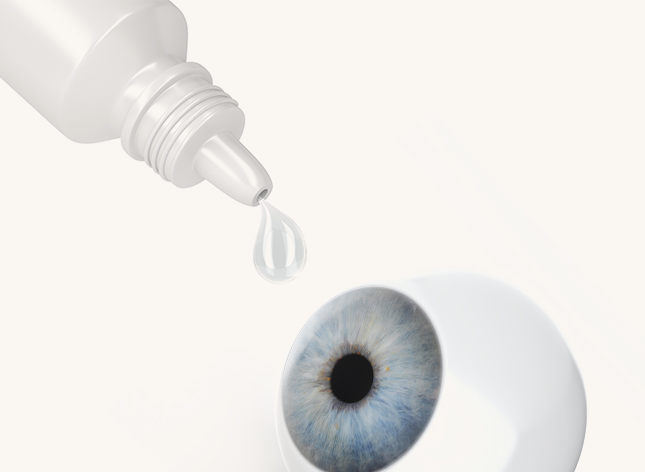
Wash hands thoroughly → Check lens for damage → Insert and confirm clear, comfortable vision → Apply preservative-free drops if needed before going out.
☀️ During the Day
Limit to 8–10 hours → Use lubricating drops in air-conditioned offices → Avoid eye rubbing → Never nap or sleep in lenses.
🌙 Evening
Remove lenses before bed → Rub gently with fresh solution → Rinse and store in clean case → Replace case solution daily.
From Dr. Daniel Baik
“At Nunehim Eye Center in Guro, I see contact lens complications that are almost entirely preventable. The most common mistakes are sleeping in lenses, using tap water on lens cases, and wearing lenses past their replacement date. I encourage every patient — whether they come from Guro, Yeongdeungpo, Gasan, or Gwanak — to treat their lenses as the medical devices they are. Good habits take only a few minutes a day and can protect your vision for a lifetime.”
— Dr. Daniel Baik, Board-Certified Ophthalmologist, Nunehim Eye Center
❓ Frequently Asked Questions
How long can I wear contact lenses per day in Seoul?
Most ophthalmologists recommend wearing contact lenses for no more than 8–10 hours per day. In Seoul, where long working hours and high screen time are common — especially in Yeongdeungpo’s office districts and Gasan’s tech parks — many wearers push past this limit, increasing the risk of corneal hypoxia, dry eye, and infection. Dr. Daniel Baik recommends following your prescribed wearing schedule strictly and always removing lenses before sleep.
Can I sleep in my contact lenses?
No. Sleeping in contact lenses increases the risk of serious eye infections — including microbial keratitis — by 6–8 times. Even lenses labelled ‘extended wear’ are not safe for overnight use without explicit guidance from an ophthalmologist. At Nunehim Eye Center in Guro, patients who routinely slept in lenses have presented with painful corneal ulcers requiring urgent treatment. Always remove your lenses before sleeping.
How often should I replace my contact lenses?
Replacement frequency depends on lens type: daily disposables must be discarded after each use; bi-weekly lenses every 14 days; monthly lenses every 30 days — regardless of how clean they appear. Reusing lenses beyond the scheduled replacement date allows protein deposits and bacteria to accumulate, significantly increasing infection risk. For most patients in Seoul’s urban environment, including those in Guro, Gwanak, and Yeongdeungpo, Dr. Daniel Baik recommends daily disposables to eliminate the need for cleaning solutions.
What are the signs of a contact lens-related eye infection?
Warning signs include sudden redness or pain, increased sensitivity to light (photophobia), blurred vision, excessive tearing or discharge, and a persistent gritty sensation. If you experience any of these symptoms, remove your lenses immediately and seek urgent care. Patients from Guro, Gasan, Gwanak, and Yeongdeungpo can visit Nunehim Eye Center for prompt diagnosis and treatment.
Are daily or monthly lenses better for Seoul’s air quality?
Daily disposable lenses are preferable for Seoul residents, where PM2.5 fine dust and urban air pollution cause significant surface deposits on lenses throughout the day. Daily lenses provide a fresh, sterile surface every morning without the need for cleaning solutions. For patients in Guro, Gasan, and Yeongdeungpo who spend time commuting in heavy traffic, Dr. Daniel Baik recommends silicone hydrogel daily disposables for maximum comfort and corneal health.
Can I wear contact lenses if I have dry eyes?
Yes, with careful lens selection. Silicone hydrogel lenses with high oxygen transmissibility are best for dry eye patients. Preservative-free lubricating drops compatible with contacts can help. In cases of moderate-to-severe dry eye, Dr. Daniel Baik may recommend OK lens (orthokeratology) — worn overnight, removed each morning — so patients enjoy clear vision without any daytime lens wear, avoiding daytime dryness entirely. A full evaluation at Nunehim Eye Center in Guro will determine the right approach.
Where can I get contact lenses professionally fitted in Guro, Seoul?
Nunehim Eye Center, located in Guro-gu, Seoul, provides comprehensive contact lens fittings performed by Dr. Daniel Baik, a board-certified ophthalmologist. Services include fittings for soft contact lenses, toric lenses for astigmatism, multifocal lenses, and OK lens (orthokeratology) for myopia control. Both Korean and English consultations are available, and the clinic serves patients from Guro, Yeongdeungpo, Gasan, Gwanak, and the wider Seoul area. Visit nunehim.com to book an appointment.

Book a Contact Lens Consultation in Guro, Seoul
Expert contact lens fittings, OK lens therapy, and dry eye assessment — in Korean and English. Serving Guro, Yeongdeungpo, Gasan, Gwanak and all of Seoul.
📍 Visit Nunehim Eye Center — Guro, Seoul
Convenient access from Guro, Gasan, Gwanak & Dongjak. Near Guro Digital Complex Station (Line 2).
📌 Address
551 Siheung-daero, Guro-gu, Seoul
nunehim.com
🕐 Hours
Mon–Fri 09:00–18:30 (Lunch 13:00–14:00)
Sat 09:00–14:00
🌐 Languages
Korean & English consultations available


Leave a comment