Pterygium (Surfer’s Eye): Causes, Prevention & Surgery in Seoul
Expert assessment and pterygium surgery — Dr. Daniel Baik, board-certified ophthalmologist, Nunehim Eye Center, Guro, Seoul
Q. What Is Pterygium and Is It Treatable?
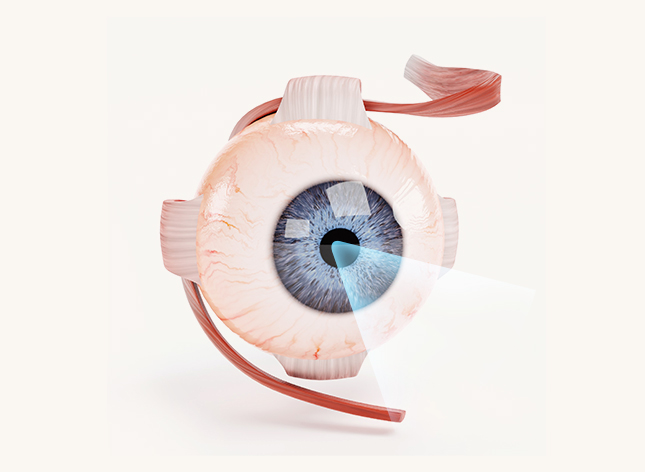
Pterygium treatment Seoul — yes, pterygium (surfer’s eye) is very treatable. It is a benign but progressive growth of conjunctival tissue onto the cornea, caused primarily by UV exposure. Small pterygia are managed with eye drops; larger ones can be surgically removed with a low recurrence rate under 5% using the conjunctival autograft technique available at Nunehim Eye Center in Guro, Seoul.
Q. How Does a Pterygium Develop?
Pterygium develops when cumulative UV-B exposure damages the limbal stem cells — the specialized cells at the corneo-conjunctival junction responsible for maintaining a healthy corneal surface. Over time, this damage triggers abnormal fibrovascular tissue proliferation that slowly advances across the cornea. In Korea, where outdoor activity is common and air pollution contributes to ocular surface irritation, pterygium is not uncommon — particularly in older adults in areas like Yeongdeungpo, Guro, Gwanak, and Gasan who have spent years working outdoors.
Pterygium in Korea: Key Statistics
▸ Pterygium prevalence in South Korea is estimated at 7–10% in adults over 40, rising with age and outdoor exposure.
▸ UV-B exposure is the leading modifiable risk factor — South Korea’s UV index reaches category “High” (6–7) from May through August.
▸ Conjunctival autograft surgery achieves a recurrence rate of under 5%, compared to 30–80% with older bare sclera techniques.
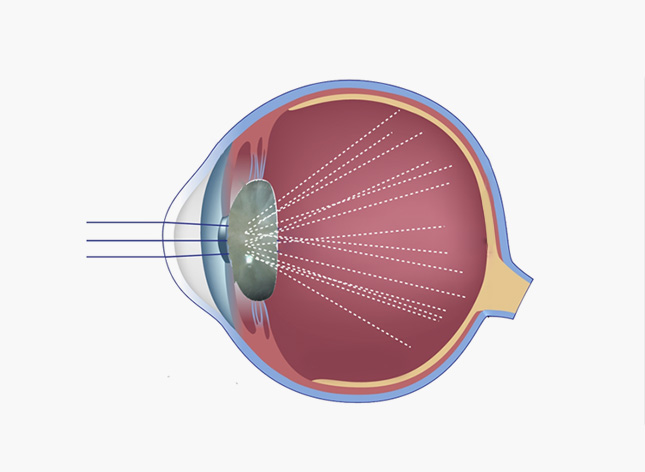
▸ Pterygium-induced astigmatism can increase by 0.5–3.0 dioptres as the growth encroaches the cornea, distorting refraction.
Q. What Are the Treatment Options for Pterygium in Seoul?
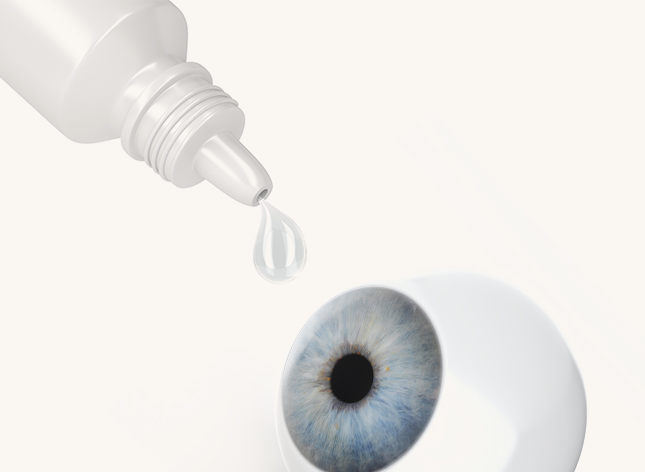
Management of pterygium is tailored to severity. For small, stable pterygia, the ophthalmologist may recommend: preservative-free lubricating eye drops (4–8x daily), UV-blocking wraparound sunglasses (UV400), topical steroid drops during inflammatory episodes, and monitoring with corneal topography at 6–12 month intervals.
Surgical excision with conjunctival autograft is recommended when: the pterygium is crossing the visual axis, inducing significant astigmatism (>1.5D), causing persistent symptoms unresponsive to drops, or if the patient is planning refractive surgery. At Nunehim Eye Center in Guro, this procedure is performed under local anaesthesia as a day case, with patients returning to light activity within 1–2 weeks.
Q. How Can I Prevent Pterygium in Seoul’s Urban Environment?
UV protection is the cornerstone of pterygium prevention. Wear CE-marked or ANSI-certified UV400 sunglasses that wrap around the sides of the face — these block over 99% of UV-A and UV-B. Wide-brimmed hats reduce UV exposure to the eyes by up to 50%. In Seoul, the UV index peaks between May and September; residents of Gwanak, Yeongdeungpo, Gasan, and Guro who commute on foot or cycle should wear sunglasses year-round.
Dry eye management also plays a key preventive role. The combination of Seoul’s dry winters, air conditioning in summer, and high screen time creates ocular surface stress that may accelerate pterygium progression. Regular use of preservative-free artificial tears, adequate hydration, and short screen breaks (the 20-20-20 rule) all reduce conjunctival irritation. Those with occupational outdoor exposure — construction, delivery, outdoor markets in Yeongdeungpo — benefit most from proactive prevention.
Q. When Should I See an Ophthalmologist for Pterygium?
- Visible reddish growth on the white of your eye that is increasing in size
- Persistent eye redness, irritation, or dryness not relieved by lubricating drops
- Blurred or distorted vision that was not previously present
- Difficulty wearing contact lenses due to ocular surface changes
- You are planning refractive surgery (TransPRK/LASEK) and have a pterygium — this must be assessed first
- Annual check-up recommended if you have an existing pterygium, even if stable
🟡 Early Stage
Small growth on nasal conjunctiva, not yet reaching cornea. Redness and dryness. Managed with lubricating drops and UV protection.
🟠 Moderate Stage
Growth encroaches the cornea. May cause astigmatism and visual blurring. Topical steroids during flares; surgery considered.
🔴 Advanced Stage
Growth approaches or covers the visual axis. Significant astigmatism, vision impairment. Surgical excision with autograft recommended.
Dr. Daniel Baik, Board-Certified Ophthalmologist
“Pterygium is one of the most underappreciated conditions I see in my Guro clinic. Many patients from Gasan, Yeongdeungpo, and Gwanak come in thinking the redness is just dry eye — and by the time we map the cornea, there is already measurable astigmatism. I always emphasise: sunglasses are not just for fashion. For patients who need surgery, the conjunctival autograft technique gives excellent results with minimal downtime, and our recurrence rates here at Nunehim Eye Center are well below 5%.”
❓ Frequently Asked Questions About Pterygium
Q. What exactly is a pterygium?
A pterygium (pronounced teh-RIJ-ee-um) is a non-cancerous, wedge-shaped growth of conjunctival tissue that extends from the white of the eye (sclera) onto the cornea. It typically grows from the nasal side and may cause redness, irritation, and blurred vision if it encroaches on the visual axis. The term “surfer’s eye” reflects its association with prolonged UV and wind exposure, though it affects non-surfers as well — especially those who spend significant time outdoors.
Q. What causes pterygium to develop?
Chronic UV-B radiation exposure is the primary cause of pterygium. Other contributing factors include wind, dust, dry air, and low humidity — all of which cause repeated micro-injury to the conjunctival limbal stem cells. In Seoul, urban air pollution and particulate matter may also contribute. Those who work outdoors in Yeongdeungpo industrial areas, Gasan’s tech corridor, or who exercise extensively in Gwanak Mountain trails face higher cumulative UV exposure. Genetic predisposition also plays a role — pterygium has a familial pattern in some populations.
Q. Is pterygium dangerous or just cosmetic?
Pterygium is usually not dangerous to overall health, but it can significantly affect vision and comfort. Small pterygia may cause dry eye symptoms and chronic redness. As it grows across the cornea, it can induce irregular astigmatism, distort the corneal surface, and if untreated, eventually cover the pupil and impair vision. Pterygium also makes contact lens wear uncomfortable and can interfere with refractive surgery planning. Early assessment by a board-certified ophthalmologist is recommended to monitor growth and determine timing for intervention.
Q. How is pterygium treated in Seoul?
Treatment depends on severity. Mild pterygium is managed conservatively with lubricating eye drops, UV-blocking sunglasses, and anti-inflammatory drops during flare-ups. When the pterygium is growing, causing significant astigmatism, affecting vision, or causing persistent discomfort, surgical removal is recommended. At Nunehim Eye Center in Guro, Dr. Daniel Baik performs pterygium excision with conjunctival autograft — a technique with a much lower recurrence rate (under 5%) compared to bare sclera excision. Surgery is performed under local anaesthesia as a day procedure.
Q. Will pterygium come back after surgery?
Recurrence rates depend heavily on surgical technique. Bare sclera excision (removing the pterygium alone) has a recurrence rate of 30–80%. Conjunctival autograft — transplanting a thin flap of healthy conjunctiva from under the upper eyelid to cover the excised area — reduces recurrence to under 5–10%. Adjunctive mitomycin C may be used in high-risk cases. Post-operative UV protection with quality sunglasses and lubricating drops is essential to minimise recurrence risk, particularly in urban environments like Guro and Yeongdeungpo.
Q. Can I prevent pterygium from forming?
Yes. UV protection is the single most effective preventive measure. Wear wrap-around sunglasses with UV400 or CE category 3 certification — even on overcast days in Seoul, UV-B penetrates clouds. Wide-brimmed hats reduce exposure by up to 50%. Artificial tear drops reduce the surface dryness that triggers conjunctival irritation, especially in air-conditioned offices in Gasan and Gwanak. Avoid prolonged unprotected outdoor activity between 10am and 4pm when UV index is highest.
Q. Where can I get pterygium checked in Seoul?
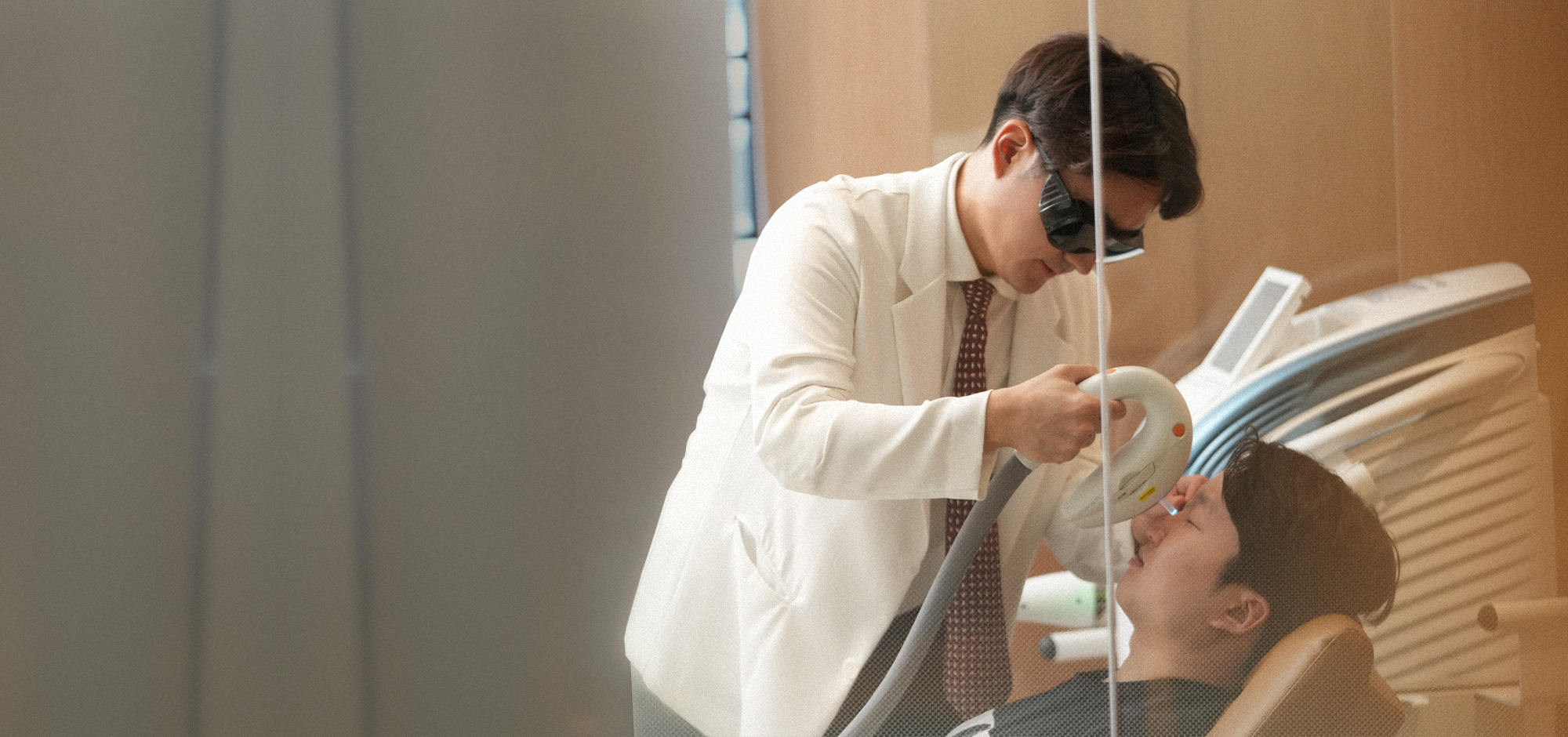
At Nunehim Eye Center in Guro, Seoul, Dr. Daniel Baik provides thorough pterygium assessment including corneal topography to measure astigmatism and map growth. The clinic is accessible from Yeongdeungpo, Gasan, Gwanak, and Dongjak, with both Korean and English consultations available. Early detection allows conservative management and avoids more complex surgery. Visit nunehim.com to book your examination.

Get Your Eyes Checked — Nunehim Eye Center, Guro Seoul
Pterygium assessment & surgery — Guro · Yeongdeungpo · Gasan · Gwanak — Korean & English
📍 Visit Nunehim Eye Center — Guro, Seoul
Convenient access from Guro, Gasan, Gwanak & Dongjak. Near Guro Digital Complex Station (Line 2).
📌 Address
551 Siheung-daero, Guro-gu, Seoul
nunehim.com
🕐 Hours
Mon–Fri 09:00–18:30 (lunch 13:00–14:00)
Sat 09:00–14:00
🌐 Languages
Korean & English consultations available


Leave a comment