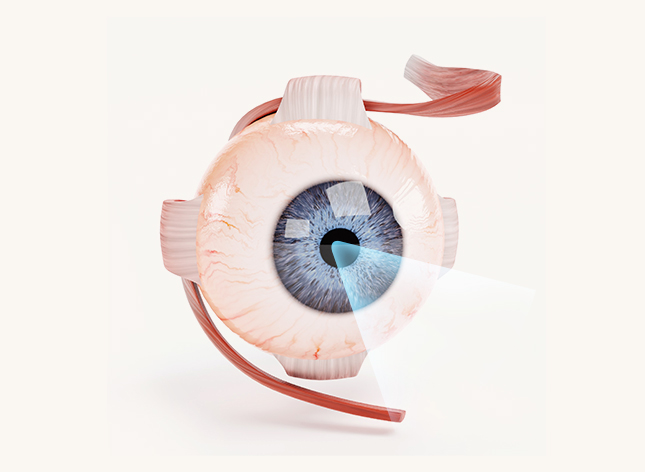
UV Protection for Eyes: Why Sunglasses Matter More Than You Think
Dr. Daniel Baik, board-certified ophthalmologist at Nunehim Eye Center, explains UV eye damage and how to protect your eyes in Guro, Yeongdeungpo, Gasan & Gwanak
Q. Why is UV eye protection important in Seoul?
UV eye protection is essential because ultraviolet radiation from sunlight accumulates in the eye over a lifetime and contributes to cataracts, macular degeneration, photokeratitis, and pterygium. In Seoul — and across Guro, Yeongdeungpo, Gasan, and Gwanak — UV exposure happens year-round, even on cloudy days. Wearing certified UV400 sunglasses is one of the simplest and most effective steps you can take to preserve your long-term vision health, advises Dr. Daniel Baik, board-certified ophthalmologist at Nunehim Eye Center.
Q. How does UV radiation damage the eyes?
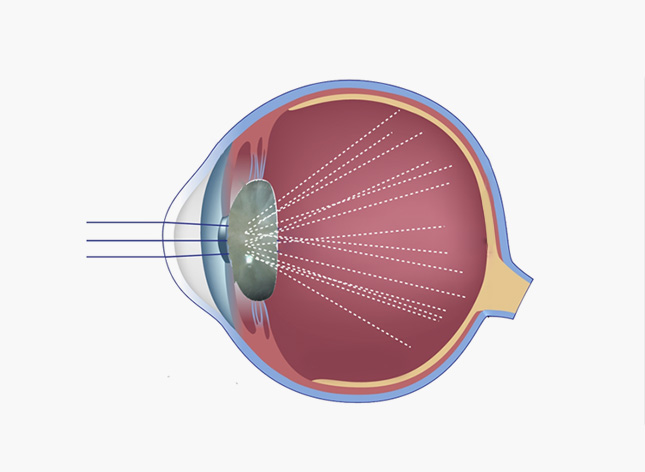
The eye is exquisitely sensitive to ultraviolet light. UV-B (280–320nm) is largely absorbed by the cornea and lens, while UV-A (320–400nm) penetrates deeper to reach the retina. Over time, UV radiation generates reactive oxygen species that damage cellular DNA, proteins, and lipids in the ocular tissues. This oxidative damage accumulates silently — patients in Guro and Yeongdeungpo may experience no symptoms for decades before clinically significant changes appear. The result can be accelerated cataract formation (the lens yellows and clouds), degeneration of the macular cells responsible for central vision, and surface changes such as pterygium (a wedge of tissue growing across the cornea from the nasal side). In Korea, with its high outdoor activity culture and reflective urban surfaces, consistent UV eye protection is not optional — it is essential.
UV Eye Damage: Key Facts for Seoul Residents
▸ UV-B exposure is classified as a definitive risk factor for cataract formation by the World Health Organization
▸ Up to 80% of UV radiation penetrates cloud cover — making UV protection necessary year-round in Seoul, including winter and overcast days in Guro and Gasan
▸ Children’s lenses transmit significantly more UV to the retina than adult lenses — making early UV protection habits critical for young residents of Gwanak and Yeongdeungpo
▸ Pterygium — a UV-linked surface growth on the eye — is more common in regions with high UV reflectance from concrete and glass, conditions found throughout central Seoul
Q. What are the signs of UV-related eye damage?
- Photokeratitis: redness, tearing, pain, and temporarily blurred vision after intense UV exposure — essentially a “sunburn” of the cornea
- Gradual vision blurring: early cataract development causes progressive haziness and glare sensitivity, especially when driving in Guro or Yeongdeungpo at night
- Pterygium: a visible, wedge-shaped pink or red growth on the white of the eye, often noted first during routine exams in Gwanak or Gasan
- Dry eye worsening: UV exposure can exacerbate existing dry eye disease — extremely common in Seoul’s urban environment
- Central vision changes: wavy lines or central blind spots may signal macular damage in patients with long-term unprotected UV exposure
Q. How do I choose sunglasses with proper UV eye protection in Seoul?
The single most important factor is the UV400 certification label — this guarantees that the lenses block 100% of UV-A and UV-B radiation up to 400 nanometres. Tint colour and darkness are irrelevant to UV blocking. A very dark grey lens with no UV filter is actually more harmful than a lightly tinted UV400 lens, because the dark lens dilates your pupil while providing no protection. When shopping in Guro, Yeongdeungpo, or Gasan, always check for the UV400 label.
Frame size also matters. Wrap-around or close-fitting styles minimise UV entry from the sides and above. For patients with a prescription, prescription sunglasses with UV400 coating provide the best of both worlds — clear corrected vision and full UV eye protection. At Nunehim Eye Center, Dr. Daniel Baik can advise on lens materials (polycarbonate and high-index lenses block UV inherently) and coatings that best suit your needs in Gwanak, Gasan, and across Seoul.
Q. What UV-related eye conditions does Nunehim Eye Center treat in Guro, Seoul?
Nunehim Eye Center in Guro provides comprehensive diagnosis and management of UV-related eye conditions. Dr. Daniel Baik, board-certified ophthalmologist, assesses and treats photokeratitis (corneal UV burns), pterygium (including surgical removal when growth threatens vision), UV-accelerated cataracts (including surgery when indicated), and performs macular screening for patients with significant long-term UV exposure. Patients from Yeongdeungpo, Gwanak, Gasan, and Dongjak are all welcome for consultation.
Early detection is key. Many UV-related changes are clinically silent until advanced. Routine annual eye exams at Nunehim Eye Center allow Dr. Baik to detect early lens clouding, macular changes, or surface growths before they significantly affect vision. If you have spent years outdoors in Seoul without proper UV eye protection, booking a comprehensive eye check in Guro is a wise preventive step.
Q. When should I see an ophthalmologist in Seoul about UV eye exposure?
- You notice a new growth, redness, or change in the appearance of your eye’s surface
- You have sudden or worsening blurriness, glare, or halos around lights — especially in bright conditions
- You experience eye pain, tearing, or redness after a day outdoors without sunglasses
- You have a history of long-term outdoor work or UV exposure without protection in Guro, Yeongdeungpo, or anywhere in Seoul
- Your central vision appears distorted, wavy, or you notice a new blind spot
- You want a baseline UV damage screening as part of your annual eye health check at Nunehim Eye Center
UV-B (280–320nm)
Primarily absorbed by the cornea and lens. Main cause of photokeratitis and a key driver of cataract formation. Blocked effectively by UV400 sunglasses.
UV-A (320–400nm)
Penetrates deeper — reaches the retina and macular cells. Linked to accelerated macular degeneration and deeper lens changes. Also blocked by UV400 lenses.
Blue Light (400–500nm)
Not technically UV but bordering it. Associated with digital eye strain from screens. Anti-blue light coatings are available at Nunehim Eye Center in Guro for patients in Gwanak and Gasan.
From Dr. Daniel Baik — Board-Certified Ophthalmologist
“UV eye damage is truly invisible until it becomes visible — and by then, the harm is done. I see patients in Guro and Yeongdeungpo every week with early cataracts or pterygia that could have been significantly delayed with consistent sunglasses use from their 20s and 30s. A quality pair of UV400 sunglasses is genuinely one of the best investments in long-term eye health I can recommend.”
— Dr. Daniel Baik, Nunehim Eye Center, Guro-gu, Seoul
❓ Frequently Asked Questions
Q. What UV damage does sunlight actually do to my eyes?
UV radiation — particularly UV-A and UV-B — penetrates the eye and causes cumulative oxidative damage to the cornea, lens, and retina. Over years and decades, this damage contributes to photokeratitis (sunburn of the cornea), accelerated cataract formation, pterygium growth, and macular degeneration. Patients in Guro, Yeongdeungpo, Gasan, and Gwanak who spend time outdoors without proper eye UV protection are at ongoing risk.
Q. Are all sunglasses in Seoul stores good enough for UV eye protection?
No. The tint of a lens has no direct relationship with UV blocking ability. Dark lenses without UV400 certification may actually be more dangerous — they cause pupils to dilate (letting in more light) while providing no UV filter. Always look for “UV400” or “100% UV protection” labels. Cheap fashion sunglasses sold in Guro or Yeongdeungpo street markets are unlikely to carry adequate UV blocking.
Q. What does UV400 mean on sunglasses?
UV400 means the lenses block all light wavelengths up to 400 nanometres — covering both UV-A (320–400nm) and UV-B (280–320nm) completely. This is the international standard for full UV eye protection. Whether you are walking in Gwanak, cycling in Gasan, or driving through Yeongdeungpo, UV400-certified sunglasses will provide full-spectrum protection for your eyes.
Q. Can UV damage the eyes even on cloudy days in Seoul?
Yes. Up to 80% of UV radiation passes through clouds and can reach the eye even on overcast days. Reflective surfaces — concrete, water, glass — also amplify UV exposure. Seoul’s urban environment, with its extensive glass buildings and wide pavements in areas like Guro and Yeongdeungpo, can create significant UV reflection. UV eye protection should be worn year-round, not just on sunny summer days.
Q. Do children need UV protection for their eyes?
Yes, and arguably more than adults. Children’s crystalline lenses are clearer and transmit more UV radiation to the retina than adult lenses. Research suggests that up to 80% of lifetime UV eye exposure occurs before age 18. Dr. Daniel Baik at Nunehim Eye Center recommends UV-protective sunglasses and hats for children from an early age, especially for outdoor activities in Gwanak, Gasan, and Yeongdeungpo parks.
Q. Can UV radiation cause cataracts, and can it be prevented?
Yes. UV-B exposure is a well-established risk factor for nuclear and cortical cataracts. Wearing UV400 sunglasses consistently throughout adulthood is one of the most effective modifiable steps to delay cataract onset. For patients in Guro and Yeongdeungpo who have early-stage cataracts, Dr. Daniel Baik at Nunehim Eye Center will assess progression and advise on both protective measures and, when appropriate, surgical options.
Q. How do I know if my existing glasses or contact lenses provide UV protection?
Most standard clear lenses do not provide significant UV protection unless specifically treated with a UV-blocking coating. Some contact lenses carry UV blocking, but they do not cover the full ocular surface (sclera and surrounding tissue remain exposed). For full UV eye protection, prescription sunglasses with UV400 lenses or quality UV-blocking sunglasses worn over contacts are recommended. Dr. Daniel Baik at Nunehim Eye Center can advise on lens options tailored to your prescription.

Protect Your Eyes — Book a UV Eye Check in Guro, Seoul
Serving Yeongdeungpo · Guro · Gasan · Gwanak · Dongjak
📍 Visit Nunehim Eye Center — Guro, Seoul
Convenient access from Guro, Gasan, Gwanak & Dongjak. Near Guro Digital Complex Station (Line 2).
📌 Address
551 Siheung-daero, Guro-gu, Seoul | nunehim.com
🕐 Hours
Mon–Fri 09:00–18:30 (Lunch 13:00–14:00) | Sat 09:00–14:00
🌐 Languages
Korean & English consultations available


Leave a comment