Eye Redness (Red Eyes): 10 Causes and When to Seek Help in Seoul
A comprehensive guide from Dr. Daniel Baik, board-certified ophthalmologist at Nunehim Eye Center, Guro · Seoul
Q. What causes red eyes and when is it serious?
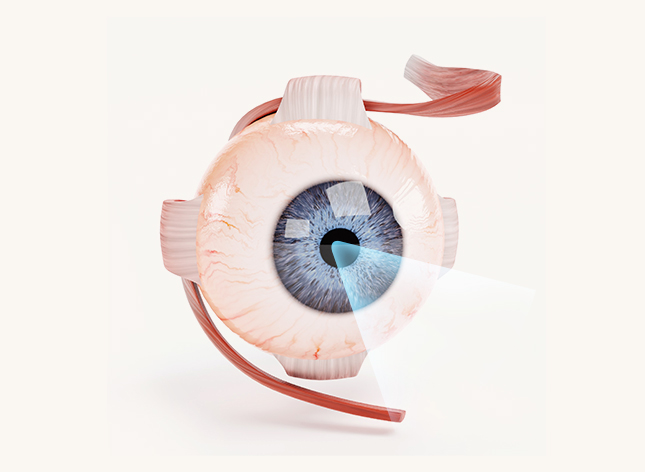
Red eyes (conjunctival hyperaemia) occur when blood vessels on the surface of the eye dilate due to irritation, infection, allergy, dryness, or underlying disease. Most cases—such as allergic conjunctivitis or mild dry eye—resolve with simple treatment. However, red eyes accompanied by pain, vision changes, or light sensitivity require urgent evaluation by a board-certified ophthalmologist, as they may signal serious conditions including uveitis, acute glaucoma, or corneal ulcers. In Seoul, where fine dust and high contact-lens use are prevalent, residents of Yeongdeungpo, Guro, Gasan, and Gwanak are especially exposed to environmental triggers.
Q. What exactly is red eye, and what does it indicate?
Red eye refers to a reddening of the white part of the eye (sclera) or the inner eyelid lining (conjunctiva) caused by enlargement of superficial blood vessels. It is a symptom—not a diagnosis—and its significance depends entirely on the accompanying features. The medical term for this vascular engorgement is conjunctival hyperaemia. In Korea, where the near-100% myopia rate drives widespread contact-lens use and screen exposure is among the world’s highest, red eyes are one of the most frequent presenting complaints at eye clinics in Guro, Yeongdeungpo, and across Seoul.
Q. What are the common symptoms and types of eye redness?
Eye redness can present in several distinct patterns, each suggesting different underlying causes:
- Diffuse redness across the white of the eye — typical of allergic or viral conjunctivitis
- Localised bright red patch — characteristic of subconjunctival haemorrhage (a broken blood vessel)
- Perilimbal redness (ciliary flush) — redness around the coloured iris, suggesting deeper inflammation such as uveitis or iritis
- Redness with thick discharge — often bacterial conjunctivitis
- Redness with watery discharge and itching — strongly suggests allergy
- Redness with pain and photophobia — urgent sign requiring immediate eye examination
- Redness after screen time or on waking — common in dry eye syndrome
Q. How common are red eye conditions in Korea?
Korea’s urban environment creates unique risk factors that make eye redness exceptionally prevalent:
- ▸ Korea records among the highest rates of allergic conjunctivitis in Asia, affecting an estimated 30–40% of the population
- ▸ Fine dust (PM2.5) alert days in Seoul have increased significantly over the past decade, directly driving ocular surface disease in areas like Guro, Gasan, and Gwanak
- ▸ Dry eye syndrome affects an estimated 10–33% of Koreans, with digital device use averaging over 8 hours per day nationally
- ▸ Contact lens wear rates in Korea exceed 25% of the adult population, with lens-related red eye a leading cause of emergency eye clinic visits in Yeongdeungpo and surrounding districts
Q. What are the 10 most common causes of red eyes in Seoul?
1. Allergic conjunctivitis — triggered by pollen, dust mites, fine dust, and pet dander. Extremely common in spring and autumn in Seoul.
2. Viral conjunctivitis — typically adenoviral; highly contagious, often spreading rapidly in offices and schools across Yeongdeungpo and Guro. 3. Bacterial conjunctivitis — produces purulent discharge; requires antibiotic drops. 4. Dry eye syndrome — chronic dryness leads to persistent low-grade redness, especially after screen time or air conditioning. 5. Subconjunctival haemorrhage — a burst blood vessel leaving a vivid red patch; alarming in appearance but usually benign. 6. Contact lens-related redness — hypoxia, deposits, or infection from lens wear. 7. Uveitis / iritis — deep intraocular inflammation requiring urgent treatment. 8. Acute angle-closure glaucoma — rare but emergent; red eye with severe pain, nausea, and blurred vision. 9. Corneal abrasion or ulcer — painful redness from surface damage, including from lens use. 10. Environmental irritants — smoke, chlorine, fine dust (미세먼지), and air pollution in Gasan and Gwanak industrial corridors.
Q. How are red eyes diagnosed and treated?
A thorough evaluation includes slit-lamp biomicroscopy to examine the conjunctiva, cornea, anterior chamber, and iris in detail. Intraocular pressure measurement rules out glaucoma. For allergic cases, skin-prick or specific IgE testing may be arranged in conjunction with an allergist.
Treatment is cause-specific: antihistamine and mast-cell-stabilising drops for allergy; antiviral or antibiotic drops for infections; preservative-free artificial tears and meibomian gland therapy for dry-eye-related redness; urgent laser or surgical intervention for glaucoma. At Nunehim Eye Center in Guro, Dr. Daniel Baik conducts comprehensive anterior-segment assessments for patients from Yeongdeungpo, Gasan, and Gwanak to identify the precise cause before prescribing treatment.
Q. When should I seek urgent eye care in Seoul?
Do not wait — see an ophthalmologist same day or go to the emergency room if you experience any of the following:
- Sudden severe eye pain or a feeling of pressure inside the eye
- Significant, sudden loss of vision or new blurring that does not clear with blinking
- Halos or rainbow rings around lights
- Extreme sensitivity to light (photophobia)
- Red eye after chemical splash or eye trauma
- Rapidly spreading bright redness after a corneal procedure
- Red eye in a newborn or infant
These symptoms may indicate acute angle-closure glaucoma, corneal ulcer, endophthalmitis, or retinal detachment — all vision-threatening emergencies. Residents of Yeongdeungpo, Guro, Gasan, and Gwanak can reach Nunehim Eye Center quickly for urgent same-day evaluation.
Mild Red Eye
Diffuse pinkness, no pain, mild watering. Typical causes: allergy, dryness, or irritant exposure. Responds well to artificial tears, antihistamines, and avoiding the trigger. Monitor for 48 hours.
Moderate Red Eye
Persistent redness with discharge, foreign-body sensation, or crusting. Likely infective (bacterial or viral conjunctivitis). Requires prescription drops and hygiene measures. Seek clinic review within 24 hours.
Severe / Urgent Red Eye
Redness with pain, photophobia, vision loss, or halos. Must be seen same day. Could be uveitis, glaucoma, or corneal ulcer. Do not self-treat — see Dr. Daniel Baik at Nunehim Eye Center in Guro immediately.
A Note from Dr. Daniel Baik
“Red eyes are one of the most common reasons patients visit us at Nunehim Eye Center, and the good news is that most cases are benign and highly treatable. As a board-certified ophthalmologist serving patients from Yeongdeungpo, Guro, Gasan, and Gwanak, I always stress the importance of distinguishing mild surface irritation from the warning signs of deeper disease. If your eyes are red and painful, or if your vision is affected, please don’t wait — come in for a proper slit-lamp evaluation so we can give you a precise diagnosis and the right treatment.”
— Dr. Daniel Baik, Board-Certified Ophthalmologist · Nunehim Eye Center (눈에힘안과), Guro-gu, Seoul · nunehim.com
❓ Frequently Asked Questions: Red Eyes in Seoul
What is the most common cause of red eyes in Seoul?
In Seoul, the most common causes of red eyes are allergic conjunctivitis and dry eye syndrome, both worsened by fine dust (PM2.5) and urban air pollution. Seasonal allergies—particularly in spring and autumn—affect a large proportion of residents in Yeongdeungpo, Guro, and Gasan. Viral conjunctivitis is also frequent, especially among children and those using public transit.
Can I use over-the-counter eye drops for red eyes?
Artificial tears and mild decongestant drops can provide short-term relief for minor redness caused by dryness or mild irritation. However, prolonged use of vasoconstrictors (redness-relief drops) can cause rebound redness and mask serious conditions. If your red eyes persist for more than 48 hours, worsen, or are accompanied by pain or vision changes, you should see a board-certified ophthalmologist rather than self-treating.
When is red eye a medical emergency?
Red eye becomes an emergency when accompanied by sudden severe pain, significant vision loss or blurring, halos around lights, extreme sensitivity to light, eye trauma, or chemical exposure. These signs can indicate acute angle-closure glaucoma, corneal ulcer, or uveitis—all of which require immediate evaluation. If you experience these symptoms in Guro or Yeongdeungpo, go to the nearest eye clinic or ER immediately.
Is red eye in one eye vs. both eyes clinically significant?
Yes. Redness in one eye only often suggests a localised cause such as a subconjunctival haemorrhage, corneal foreign body, or unilateral infection. Bilateral redness is more typical of systemic allergies, viral conjunctivitis, or generalised dry eye disease. A board-certified ophthalmologist will assess the distribution pattern alongside discharge type, pain level, and visual acuity to determine the underlying cause.
Does wearing contact lenses cause red eyes?
Yes—contact lens overwear or poor lens hygiene is a significant cause of red eyes in Korea, where lens wearing rates are very high. Hypoxia (oxygen deprivation), lens deposits, and microbial contamination can all trigger redness, irritation, and potentially serious corneal infection. If your eyes are consistently red when wearing contacts, discontinue use and consult an ophthalmologist. OK lens (orthokeratology) worn overnight under proper supervision at Nunehim Eye Center in Guro is an alternative to daily soft lens wear for myopia correction.
How does fine dust (미세먼지) affect eye redness in Korea?
Fine dust (PM2.5 and PM10) is a major environmental trigger for red eyes in Seoul. Particulate matter irritates the ocular surface directly and worsens allergic conjunctivitis and dry eye syndrome. On high fine-dust days, residents of Gasan, Guro, and Gwanak frequently experience increased redness, tearing, and itching. Wearing wrap-around glasses on dusty days, using preservative-free artificial tears, and rinsing eyes with sterile saline can help reduce exposure.
How is uveitis different from conjunctivitis as a cause of red eye?
Conjunctivitis involves redness caused by inflammation of the thin membrane lining the eyelid and white of the eye, and is often associated with discharge. Uveitis is inflammation of the uveal tract (iris, ciliary body, choroid) and typically presents with a deep aching pain, photophobia, and a distinctive perilimbal redness pattern called ciliary flush. Uveitis can threaten vision if untreated and requires prompt diagnosis and treatment by an ophthalmologist—self-treatment with OTC drops is inappropriate.

Red Eyes? Book a Consultation at Nunehim Eye Center
Dr. Daniel Baik, board-certified ophthalmologist · Korean & English consultations · Guro, Seoul · nunehim.com
📍 Visit Nunehim Eye Center — Guro, Seoul
Convenient access from Guro, Gasan, Gwanak & Dongjak. Near Guro Digital Complex Station (Line 2).
📌 Address
551 Siheung-daero, Guro-gu, Seoul
nunehim.com
🕐 Hours
Mon–Fri 09:00–18:30 (lunch 13:00–14:00)
Sat 09:00–14:00
🌐 Languages
Korean & English consultations available


Leave a comment