Eye Pressure (IOP): What Are Normal Levels and Why It Matters
A Seoul ophthalmologist explains normal eye pressure ranges, glaucoma risk, and when to get checked
Quick Answer
Normal eye pressure (IOP) falls between 10 and 21 mmHg, averaging around 15 to 16 mmHg. Eye pressure normal levels matter because sustained elevation above this range is the single largest modifiable risk factor for glaucoma, a leading cause of irreversible blindness, though pressure alone does not diagnose or rule out the disease.
Q. What is eye pressure (IOP) and what counts as normal?
Intraocular pressure is generated by aqueous humor, a clear fluid continuously produced inside the eye and drained through a mesh-like channel called the trabecular meshwork. When production and drainage stay balanced, pressure sits in the statistically normal range of 10 to 21 mmHg, averaging 15 to 16 mmHg. Eye pressure normal levels are not a fixed number for everyone; your ophthalmologist compares your reading against your corneal thickness, optic nerve appearance, and personal risk factors rather than judging a single value in isolation.
Q. What are the symptoms of high eye pressure?
- Usually no symptoms at all in chronic open-angle glaucoma, which is why it is often called the silent thief of sight
- Gradual, painless loss of peripheral vision noticed only after significant damage has occurred
- In acute angle-closure attacks: sudden severe eye pain, headache, blurred vision, and halos around lights
- Nausea, vomiting, and a red, hard eye during an acute angle-closure episode
Eye pressure and glaucoma in Korea: key statistics
- ▸ Normal-tension glaucoma accounts for roughly 77% of primary open-angle glaucoma cases in Korean adults (Namil Study), far above rates seen in Western populations
- ▸ Glaucoma prevalence rises sharply after age 40 in Korean population-based screening studies
- ▸ High myopia, extremely common among patients seen across Yeongdeungpo, Guro, and Gasan, is an independent risk factor for glaucoma regardless of IOP
- ▸ Narrower anterior chamber angles in East Asian eyes raise the lifetime risk of acute angle-closure attacks compared with Western populations
Q. How is elevated eye pressure treated?
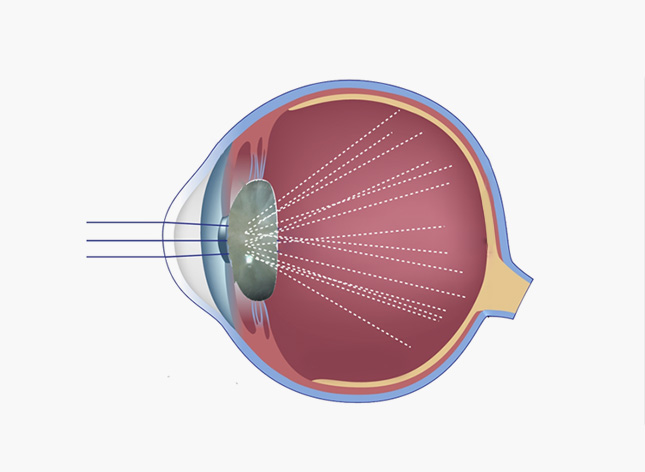
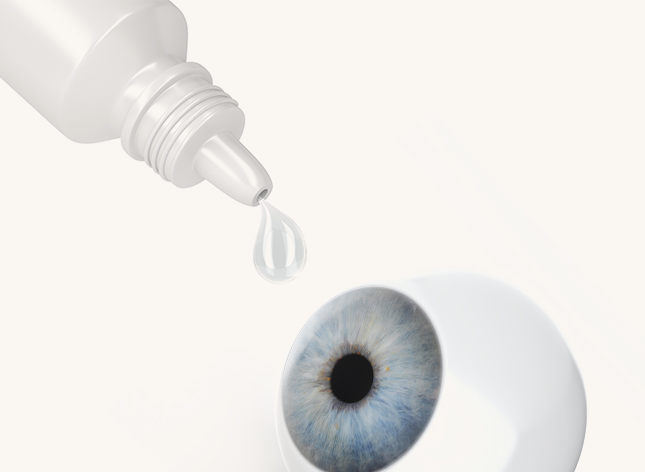
Treatment is stepped according to severity and how much optic nerve risk is present. Most patients start with a once-daily prostaglandin analogue eye drop, which increases fluid outflow and is well tolerated long term.
When drops are not enough or adherence is difficult, selective laser trabeculoplasty (SLT) is a quick, incision-free outpatient option that lowers pressure by improving drainage through the trabecular meshwork, and can often reduce or delay the need for drops.
Q. How is eye pressure actually measured?
Goldmann applanation tonometry, performed at the slit lamp with a numbing drop, remains the clinical gold standard. Non-contact “air puff” tonometry is commonly used for quick screening but is less precise.
Because IOP naturally varies through the day and is influenced by corneal thickness, a single office reading is only part of the picture; repeat measurements and, when needed, home or diurnal monitoring give a more complete view.
When is high eye pressure an emergency?
- Sudden, severe eye pain combined with headache and nausea
- Rapid blurring of vision with halos or rainbow rings around lights
- A red, firm eye that feels harder than the other eye
- These signs suggest acute angle-closure glaucoma — go to an emergency eye clinic immediately, as vision loss can occur within hours
Ocular Hypertension
Elevated IOP with a healthy optic nerve and normal visual field. Monitored closely but not yet glaucoma.
Glaucoma Suspect
Borderline optic nerve appearance or risk factors warranting closer, more frequent follow-up.
Glaucoma
Confirmed optic nerve damage and/or visual field loss, requiring active treatment to prevent progression.
From Dr. Daniel Baik
“In my practice across Yeongdeungpo and Guro, I see how often normal-tension glaucoma is missed simply because a patient’s eye pressure looked fine on paper. A pressure check is only the starting point — I always pair it with an optic nerve and visual field evaluation before reassuring a patient that their eyes are healthy.”

❓ Frequently Asked Questions
Q. What is a normal eye pressure (IOP) range?
A normal intraocular pressure range is generally 10 to 21 mmHg, with an average of about 15 to 16 mmHg in most populations, including Korean adults screened at clinics in Yeongdeungpo and Guro. A single reading slightly outside this range is not automatically abnormal, since IOP naturally fluctuates throughout the day.
Q. Can I have glaucoma even with normal eye pressure?
Yes. Normal-tension glaucoma, in which optic nerve damage and visual field loss occur despite IOP staying within the statistically normal range, is unusually common in Korea. Population studies such as the Namil Study found that normal-tension glaucoma accounts for roughly three out of four primary open-angle glaucoma cases in Koreans, far higher than in Western populations, which is why an optic nerve and visual field exam matters as much as the pressure number itself.
Q. How often should my eye pressure be checked?
Adults over 40 should have IOP and a dilated optic nerve exam at least once a year, and every six months if they have a family history of glaucoma, high myopia, diabetes, or previous elevated readings. Patients across Gasan and Gwanak with these risk factors are generally advised to start annual screening earlier, in their 30s.
Q. Does high eye pressure always mean I have glaucoma?
No. Elevated IOP without any optic nerve damage or visual field loss is called ocular hypertension, not glaucoma. It does raise long-term risk, so these patients are monitored closely, but many never progress to actual glaucoma, especially with regular follow-up.
Q. What causes high eye pressure?
The most common cause is reduced drainage of aqueous humor through the trabecular meshwork, which can be primary (open-angle or angle-closure glaucoma) or secondary to steroid use, prior eye trauma, inflammation, or other eye conditions. Anatomically narrow angles, more frequent in Korean and East Asian eyes, also raise the risk of acute angle-closure attacks.
Q. Can eye pressure be lowered without surgery?
Yes, in most cases. First-line treatment is usually a daily prostaglandin analogue or beta-blocker eye drop, and many patients also benefit from selective laser trabeculoplasty (SLT), an outpatient procedure that improves drainage without incisions. Surgery is generally reserved for cases that do not respond adequately to drops or laser.
Q. Is an eye pressure test painful?
No. Standard tonometry takes only a few seconds, usually with a numbing eye drop and a gentle probe (Goldmann applanation tonometry) or a brief puff of air. Most patients describe it as mildly ticklish at most, not painful.

Book an Eye Pressure & Glaucoma Screening
📍 Visit Nunehim Eye Center — Guro, Seoul
Convenient access from Guro, Gasan, Gwanak & Dongjak. Near Guro Digital Complex Station (Line 2).
Address
551 Siheung-daero, Guro-gu, Seoul
nunehim.com
Hours
Mon–Fri 09:00–18:30 (lunch 13:00–14:00)
Sat 09:00–14:00
Languages
Korean & English


Leave a comment