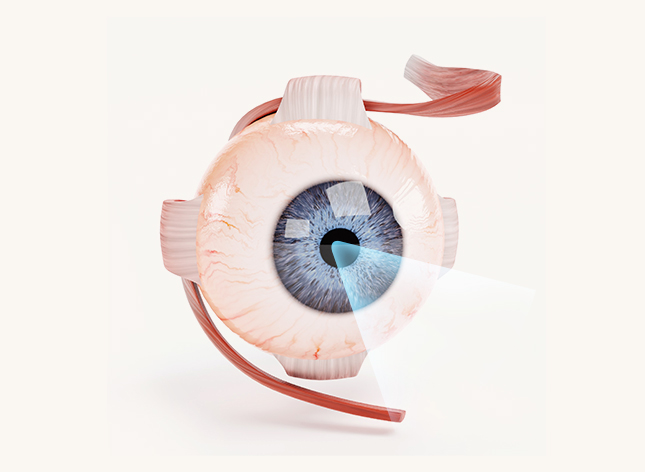
Eye Twitching (Myokymia): Causes and When to Worry
A board-certified ophthalmologist explains benign spasms and warning signs for Yeongdeungpo, Guro & Gasan patients
Q. What causes eye twitching?
Eye twitching, medically called myokymia, is an involuntary, repetitive spasm of the eyelid muscle usually triggered by fatigue, stress, caffeine, or eye strain. Most cases are harmless and resolve within days to a few weeks, but twitching that spreads to other facial muscles, does not stop, or comes with eyelid drooping needs evaluation by an ophthalmologist.
Q. What is eye twitching (myokymia)?
Eyelid myokymia is a fine, involuntary spasm of the orbicularis oculi, the muscle that closes the eyelid. It is a distinct and much more common condition than benign essential blepharospasm, a rarer disorder that affects both eyes with forceful, involuntary closure. Common triggers for ordinary eyelid myokymia include caffeine, alcohol, sleep deprivation, stress, and prolonged screen use combined with dry eye. In most cases, the twitching is brief, mild, and resolves once the trigger is addressed.
Q. What are the symptoms and signs?
- Fine, rapid fluttering or twitching of the upper or lower eyelid, usually in one eye
- Comes and goes over hours to days, often worse with fatigue, screen use, or caffeine
- No pain, no vision change, and no eyelid drooping in typical benign myokymia
- Often more noticeable to the patient than to people nearby
- May be accompanied by a dry, gritty eye sensation, especially after long screen sessions
Eye Twitching in Korea: The Numbers
- ▸ Nearly 90% of Korean office workers report some degree of digital eye strain from prolonged screen use, a well-recognised trigger for eyelid myokymia.
- ▸ Benign essential blepharospasm, the rarer and more serious twitching disorder, is estimated to affect roughly 5 per 100,000 people and typically appears after age 50.
- ▸ Korea has one of the highest per-capita coffee consumption rates in Asia, and caffeine is among the most commonly reported twitching triggers seen in clinic.
- ▸ Most benign eyelid twitching resolves within one to two weeks once triggers such as sleep debt and caffeine intake are addressed.
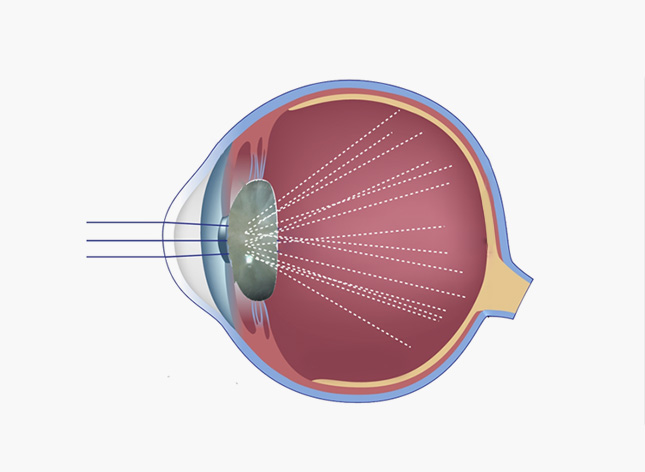
Q. How is eye twitching managed and treated?
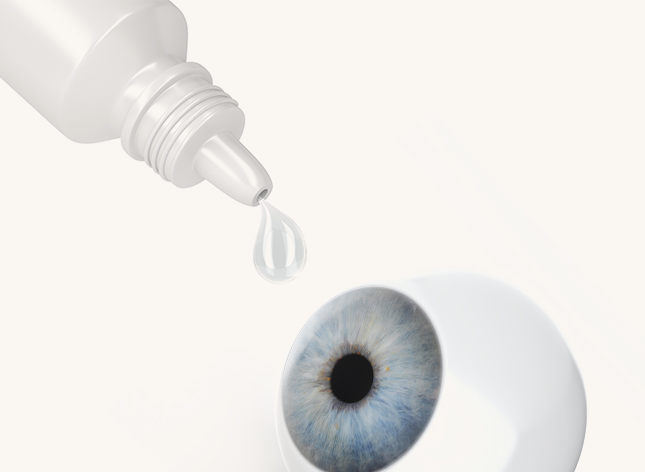
For benign myokymia, first-line management is lifestyle based: improving sleep, reducing caffeine and alcohol, managing stress, treating dry eye with artificial tears, and reducing continuous screen time using the 20-20-20 rule. Most cases resolve on their own within one to two weeks.
If twitching persists beyond a few weeks, spreads, or becomes severe, an ophthalmologist evaluates for underlying dry eye disease or blepharitis, or refers for a neurological assessment. For diagnosed benign essential blepharospasm or hemifacial spasm, treatment escalates to botulinum toxin injections into the eyelid muscles, which is the standard and effective treatment, typically repeated every three to four months.
Q. When is eye twitching a sign of something serious?
A few warning signs are distinct from ordinary benign twitching: the eyelid closing completely and involuntarily, twitching that spreads to the cheek or mouth on the same side of the face, twitching combined with eyelid drooping or double vision, and new twitching that begins shortly after starting a new medication.
These situations call for a prompt in-person examination rather than home management, because the underlying causes range from treatable eyelid conditions to disorders that require neurology co-management, such as hemifacial spasm from vascular compression of the facial nerve.
Q. When should you see a doctor in Seoul?
- Twitching lasting longer than two to three weeks despite reduced caffeine, reduced alcohol, and improved sleep
- Twitching that causes the eyelid to fully close or spreads to other parts of the face
- Any new eyelid drooping, double vision, or facial weakness accompanying the twitch
- Persistent twitching in a patient over age 50, which should be evaluated for benign essential blepharospasm or hemifacial spasm
- Residents of Yeongdeungpo, Guro, or Gasan with recurrent twitching alongside significant screen-related eye strain or dry eye symptoms
Eyelid Myokymia
Common and benign. Usually affects one eye with fine fluttering that resolves on its own.
Benign Essential Blepharospasm
Rare and more severe. Affects both eyes with forceful, involuntary closure and is often progressive.
Hemifacial Spasm
One-sided and spreads from the eye toward the lower face, often from vascular nerve compression, and needs neuro-ophthalmology evaluation.
Most of the eye twitching I see in my Yeongdeungpo clinic is simple fatigue and screen strain, and it settles once patients sleep more and cut back on caffeine. I still ask a few extra questions each time, because twitching that spreads to the rest of the face or does not go away needs a proper work-up rather than simple reassurance.
– Dr. Daniel Baik, board-certified ophthalmologist, Nunehim Eye Center
❓ Frequently Asked Questions
Q. Is eye twitching dangerous?
In the vast majority of cases, no. Eyelid myokymia is a benign, self-limited muscle spasm triggered by fatigue, caffeine, or stress, and it resolves on its own. It becomes concerning only when it spreads beyond the eyelid, causes the eye to close involuntarily, or comes with drooping or double vision.
Q. How long does eye twitching usually last?
Most benign twitching episodes last from a few hours to two weeks, especially once triggers such as caffeine, alcohol, and sleep deprivation are addressed. Twitching that persists beyond two to three weeks should be evaluated by an ophthalmologist.
Q. What is the difference between eyelid myokymia and blepharospasm?
Eyelid myokymia is a mild, fine fluttering that usually affects one eye and does not force the eyelid shut. Benign essential blepharospasm is a rarer, more severe condition that typically affects both eyes with forceful, involuntary closure, and it usually requires ongoing treatment such as botulinum toxin injections.
Q. Can stress and caffeine really cause eye twitching?
Yes. Fatigue, sleep deprivation, caffeine, alcohol, and stress are the most commonly reported triggers for eyelid myokymia in clinical practice, and reducing them is usually the first and most effective step in management.
Q. Does eye twitching mean I have dry eyes?
Not always, but dry eye and digital eye strain from prolonged screen use are common contributing factors, particularly among office workers. Treating underlying dry eye with artificial tears and regular screen breaks often reduces twitching frequency.
Q. When is Botox used for eye twitching?
Botulinum toxin injections are reserved for more severe or persistent cases, particularly diagnosed benign essential blepharospasm or hemifacial spasm, rather than ordinary short-lived myokymia. Injections are typically repeated every three to four months.
Q. Where can I get eye twitching evaluated near Yeongdeungpo or Gasan?
Nunehim Eye Center in Yeongdeungpo-gu evaluates persistent or unusual eyelid twitching for patients from Yeongdeungpo, Guro, Gasan, and Gwanak, distinguishing benign causes from conditions that need further neurological work-up, with Korean and English consultations available.

Book a Consultation
nunehim.com
📍 Visit Nunehim Eye Center — Guro, Seoul
Convenient access from Guro, Gasan, Gwanak & Dongjak. Near Guro Digital Complex Station (Line 2).
Address: 551 Siheung-daero, Guro-gu, Seoul / nunehim.com
Hours: Mon-Fri 09:00-18:30 (lunch 13-14), Sat 09:00-14:00
Languages: Korean & English


Leave a comment