After LASEK Surgery: Recovery Tips & What to Avoid in Seoul
Board-Certified Post-Surgical Care in Yeongdeungpo, Guro, Gasan & Gwanak, Seoul
Q. What should I expect during LASEK recovery?
LASEK recovery typically takes 3–5 days for initial epithelial healing and up to 1–3 months for full visual stabilization. Expect blurry vision, light sensitivity, and mild discomfort during the first several days while wearing a protective bandage contact lens; most patients in Seoul return to light work within a week, but should avoid rubbing the eyes, swimming, and eye makeup for at least 2–4 weeks.
Q. What is LASEK and how does recovery differ from LASIK?
LASEK (Laser-Assisted Sub-Epithelial Keratectomy), including the 2-Day LASEK technique used at Nunehim Eye Center, repositions the thin outer epithelial layer before laser reshaping, rather than cutting a corneal flap as in traditional LASIK. Because the epithelium must regenerate, LASEK recovery involves more initial discomfort and a slower return of sharp vision than LASIK — but it avoids flap-related risks entirely, which is why we recommend TransPRK/2-Day LASEK over SMILE-style procedures for many patients in Yeongdeungpo and Guro with thinner corneas or active lifestyles.
Q. What are the stages of LASEK recovery?
- Day 0–1: bandage contact lens placed; blurry vision, tearing, light sensitivity
- Day 2–4: peak discomfort as the epithelium heals; foreign-body sensation
- Day 4–7: bandage lens removed once the epithelium closes; vision starts clearing
- Week 2–4: vision continues stabilizing; fluctuating clarity is normal
- Month 1–3: full visual stabilization and final refractive outcome
LASEK Recovery by the Numbers
- ▸ Full epithelial healing after LASEK typically completes within 4–5 days in most patients
- ▸ Korean LASEK/PRK patients report over 95% satisfaction with final visual outcomes at 3 months
- ▸ TransPRK/2-Day LASEK reduces the initial discomfort window compared with traditional LASEK
- ▸ Patients in Gasan and Gwanak commonly resume desk work within 5–7 days post-op
Q. What can I do to speed up LASEK recovery?
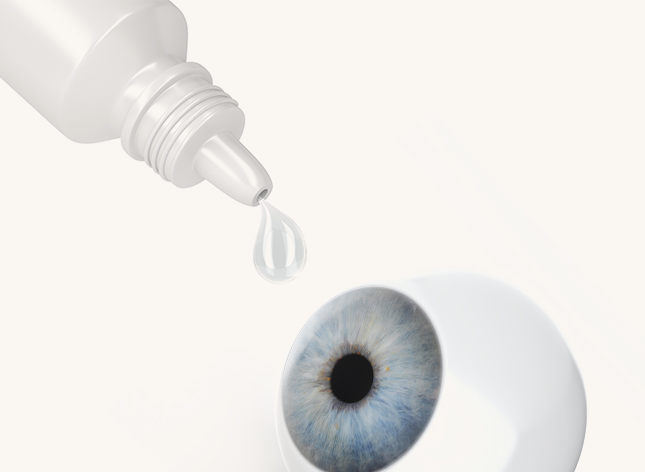
Use every prescribed drop exactly on schedule — antibiotic drops prevent infection, steroid drops control inflammation, and preservative-free artificial tears keep the healing surface comfortable. Wear the bandage contact lens until your ophthalmologist removes it; never remove it yourself even if your eye feels irritated.
Sleep with wraparound sunglasses or a protective shield for the first several nights to prevent accidental rubbing, stay well hydrated, and avoid screens for extended periods during the first 48–72 hours to reduce eye strain while the surface is healing.
Q. What should I avoid after LASEK surgery?
Avoid rubbing or pressing on your eyes for at least one month, swimming pools, saunas, and public baths for 2–4 weeks due to infection risk, eye makeup for 1–2 weeks, and strenuous exercise or contact sports for 2–4 weeks. Driving should be postponed until your ophthalmologist confirms your vision meets legal requirements, usually after the first week for most patients in Seoul.
Q. When should I contact my doctor in Seoul?
- Sudden, severe eye pain not relieved by prescribed drops
- Sudden vision loss or a significant change in vision
- The bandage contact lens falls out early or feels displaced
- Increasing redness, discharge, or swelling after day 3–4
- Fever or signs of infection
Early Healing (Days 1–4)
Bandage lens in place; peak discomfort as the epithelium regenerates.
Visual Recovery (Weeks 1–4)
Bandage lens removed; vision fluctuates as it steadily clears.
Full Stabilization (Months 1–3)
Cornea remodels fully; final refractive outcome is reached.
A Note from Dr. Daniel Baik
As a board-certified ophthalmologist performing TransPRK and 2-Day LASEK regularly at Nunehim Eye Center, I tell every patient in Yeongdeungpo and Guro the same thing: the first week tests your patience, not your vision. Follow your drop schedule precisely, protect your eyes from rubbing, and clarity will come. Rushing back to contact sports or skipping follow-ups is the most common cause of setbacks I see.
❓ Frequently Asked Questions
Q. How long until I can return to work after LASEK?
Most patients in desk jobs across Gasan and Yeongdeungpo return within 5–7 days, though those in visually demanding roles may need 1–2 weeks.
Q. Can I drive right after LASEK surgery?
No. Vision is typically too blurry in the first several days. Most patients can resume driving once vision meets legal standards, usually after about a week, confirmed at a follow-up visit.
Q. Is LASEK more painful than LASIK?
Yes, LASEK generally involves more discomfort during the first 3–5 days because the epithelium must regenerate, whereas LASIK’s corneal flap heals faster with less initial pain.
Q. When can I wear makeup again?
Eye makeup should be avoided for at least 1–2 weeks to reduce infection risk while the epithelial surface heals.
Q. Can I exercise after LASEK?
Light walking is fine within days, but swimming, contact sports, and heavy weightlifting should wait 2–4 weeks until your ophthalmologist confirms adequate healing.
Q. Will my vision fluctuate during recovery?
Yes, mild fluctuations in clarity are normal for several weeks as the cornea remodels; this typically stabilizes by 1–3 months.
Q. Does Nunehim Eye Center offer SMILE LASIK?
No — Nunehim Eye Center does not perform SMILE LASIK. We specialize in TransPRK/2-Day LASEK and OK lens (orthokeratology), and our board-certified ophthalmologist can help you compare options based on your corneal thickness and lifestyle.
Book a Consultation
Nunehim Eye Center — nunehim.com — Yeongdeungpo-gu, Seoul
📍 Visit Nunehim Eye Center — Guro, Seoul
Convenient access from Guro, Gasan, Gwanak & Dongjak. Near Guro Digital Complex Station (Line 2).
Address: 551 Siheung-daero, Guro-gu, Seoul / nunehim.com
Hours: Mon–Fri 09:00–18:30 (lunch 13:00–14:00), Sat 09:00–14:00
Languages: Korean & English


Leave a comment