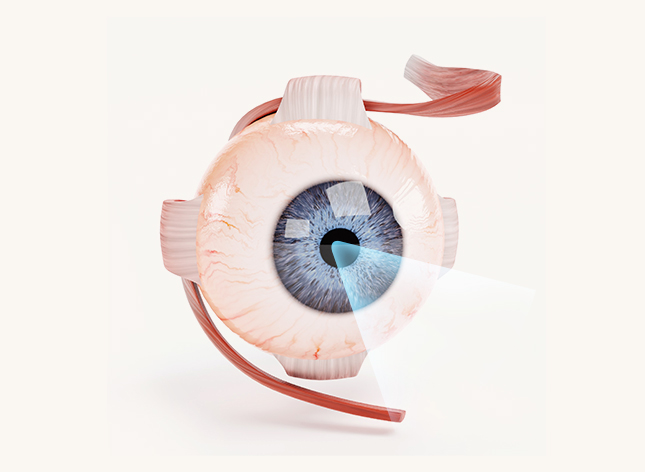
Children’s First Eye Exam in Seoul: What Parents Need to Know
Children eye exam Seoul: gentle pediatric eye care from Nunehim Eye Center, serving Yeongdeungpo, Guro, Gasan & Gwanak
Q. What should parents know before their child’s first eye exam in Seoul?
A child’s first comprehensive eye exam should happen between ages 3 and 5, and Nunehim Eye Center recommends earlier evaluation if parents in Yeongdeungpo, Guro, Gasan, or Gwanak notice squinting, uneven eye alignment, or a family history of high myopia. Early detection allows the widest range of treatment options, including glasses and OK lens.
Q. Why is a children eye exam Seoul families should not delay?
Children rarely complain about blurry vision because they assume everyone sees the way they do. Undetected refractive errors or eye alignment problems can affect reading, classroom performance, and even long-term visual development. In Seoul, where childhood myopia rates are exceptionally high, an early exam gives families in Yeongdeungpo, Guro, Gasan, and Gwanak a chance to start myopia management before the prescription progresses significantly.
▸ Korea has among the highest childhood myopia rates in the world, approaching near-100% by late adolescence in some school populations
▸ Myopia that develops before age 8 tends to progress faster and reach higher final prescriptions
▸ Amblyopia (“lazy eye”) responds best to treatment when caught before age 7
▸ Regular exams for children in Yeongdeungpo and Gasan help catch astigmatism and eye alignment issues early
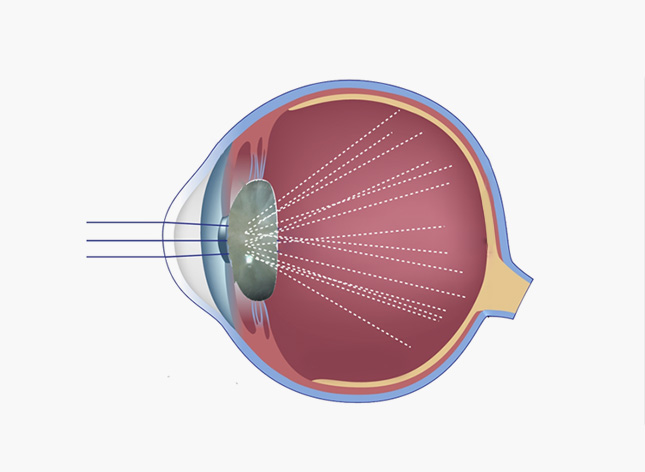
Q. What treatment and management options exist for children?
Depending on the findings, options include glasses, OK lens (orthokeratology) for overnight myopia control, and in select older adolescents with stable vision, TransPRK/2-Day LASEK — Nunehim Eye Center does not perform SMILE LASIK. Most children are managed conservatively with glasses or OK lens while their eyes continue developing.
Families from Guro and Gwanak often choose OK lens for active children who play sports and prefer glasses-free days.
Q. What happens during the exam itself?
A pediatric eye exam at Nunehim Eye Center includes age-appropriate vision testing, an alignment and eye-movement check, assessment of how the two eyes work together, and often a dilated exam to measure the child’s true refractive error. The process is designed to be calm and quick for young patients visiting from Yeongdeungpo, Guro, and Gasan.
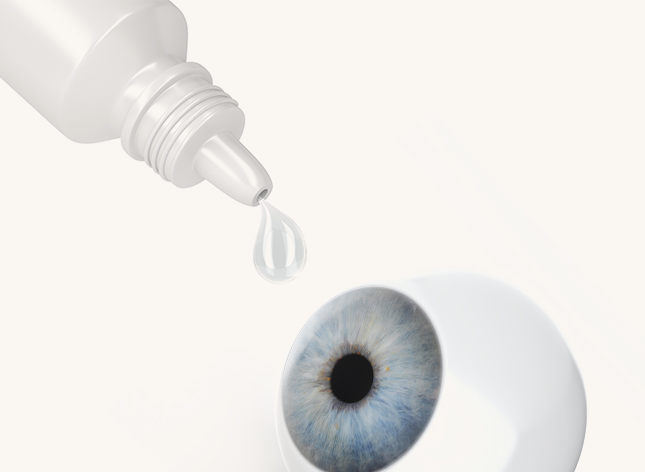
Q. When should parents in Seoul seek an eye exam sooner than the routine schedule?
- Squinting or tilting the head to see clearly
- Sitting unusually close to screens or books
- One eye appearing to turn inward or outward
- Frequent eye rubbing or light sensitivity
- Headaches or complaints of tired eyes after reading
Ages 3–5
First comprehensive exam; baseline vision and alignment screening recommended for all children.
Ages 6–12
Peak years for myopia onset; annual exams and OK lens discussion recommended in Seoul.
Teens
Prescription monitoring continues; TransPRK/2-Day LASEK may be considered once vision is stable and criteria are met.
A Note from Dr. Daniel Baik
“Parents from Yeongdeungpo and Gasan often ask me when to bring their child in for their first exam. My advice is always the same: don’t wait for symptoms. Korea’s childhood myopia rates are among the highest in the world, and the earlier we detect a change, the more options — glasses, OK lens, or careful monitoring — we have to protect a child’s long-term vision.”
— Dr. Daniel Baik, Board-Certified Ophthalmologist
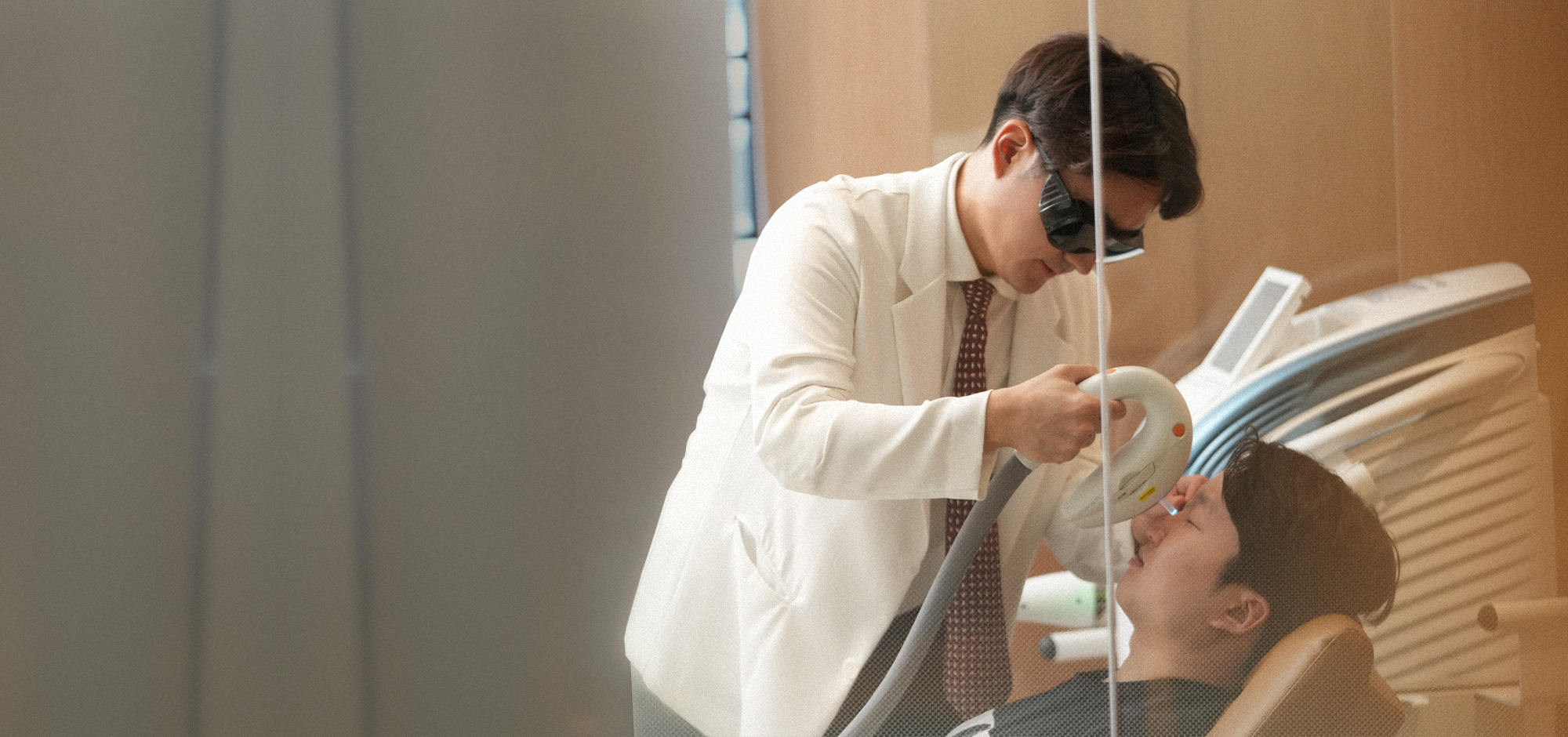
❓ Frequently Asked Questions
Q. At what age should a child have their first eye exam?
Most pediatric ophthalmology guidelines recommend a first comprehensive eye exam between ages 3 and 5, and sooner if parents notice squinting, eye misalignment, or a family history of high myopia. Many families in Yeongdeungpo and Guro schedule this around preschool entry.
Q. Does Nunehim Eye Center offer SMILE LASIK for teenagers?
No. Nunehim Eye Center does not offer SMILE LASIK for any age group, including teenagers. For older adolescents with stable prescriptions, our board-certified ophthalmologist may discuss TransPRK/2-Day LASEK once eligibility criteria are met; younger children are typically managed with glasses or OK lens.
Q. What is OK lens and is it safe for children?
OK lens (orthokeratology) is a specially designed overnight contact lens that gently reshapes the cornea so children can see clearly during the day without glasses. It is widely used in Korea to help manage myopia progression and is fitted and monitored closely at Nunehim Eye Center.
Q. How common is myopia among children in Seoul?
Korea has one of the highest rates of childhood myopia in the world, with studies showing prevalence approaching near-100% among teenagers in some urban school-age populations. Early detection through a first eye exam helps slow progression.
Q. What happens during a child’s first eye exam?
The exam typically includes vision testing appropriate for the child’s age, a check for eye alignment and movement, a look at how the two eyes work together, and often a dilated exam to assess the retina and check the child’s true refractive error.
Q. Do you provide English-language pediatric consultations near Gasan and Gwanak?
Yes. Nunehim Eye Center offers both Korean and English consultations, which is especially helpful for international families in Gasan, Gwanak, Yeongdeungpo, and Guro who want clear communication about their child’s eye health.
Q. What symptoms in a child suggest an eye exam is needed sooner?
Squinting, sitting very close to screens, tilting the head, frequent eye rubbing, one eye turning inward or outward, or complaints of headaches after reading are all reasons to schedule an eye exam without waiting for the routine age milestone.

Book a Consultation
Visit nunehim.com or contact Nunehim Eye Center in Guro-gu, Seoul — serving Yeongdeungpo, Gasan, and Gwanak.
📍 Visit Nunehim Eye Center — Guro, Seoul
Convenient access from Guro, Gasan, Gwanak & Dongjak. Near Guro Digital Complex Station (Line 2).
Address:
551 Siheung-daero, Guro-gu, Seoul
nunehim.com
Hours:
Mon–Fri 09:00–18:30 (lunch 13:00–14:00)
Sat 09:00–14:00
Languages:
Korean & English


Leave a comment