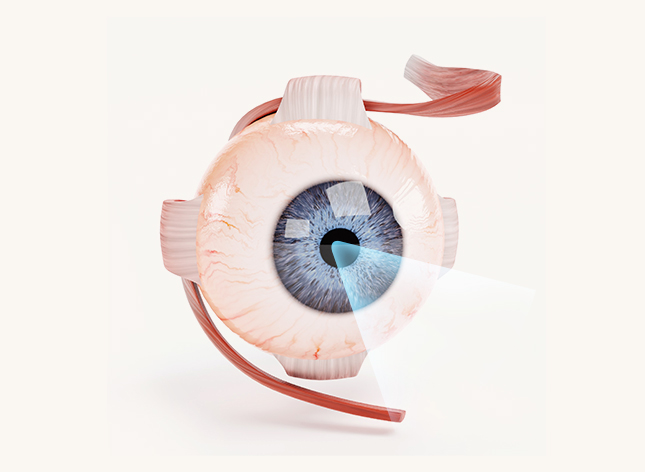
Dry Eye and Contact Lenses: Can You Still Wear Them?
What Seoul contact lens wearers should know about managing dry eye without giving up lenses
Q. Can you still wear contact lenses if you have dry eye?
In most cases, yes. Dry eye related to contact lens wear can usually be managed with the right lens material, a proper wearing schedule, and consistent tear film care, allowing most patients to keep wearing lenses comfortably rather than switching back to glasses full-time.
Q. What causes dry eye in contact lens wearers?
Dry eye contact lens symptoms develop when the tear film cannot spread evenly over the lens surface or evaporates faster than normal. Soft contact lenses can absorb moisture from the tear film and disrupt the oily lipid layer that normally slows evaporation. Long hours of near-work and screen use — very common among students and office workers across Seoul — reduce blink rate and compound the problem, while meibomian gland dysfunction, frequently seen in East Asian populations, further reduces the protective oil layer that stabilizes healthy tears.
Q. What are the symptoms of contact lens related dry eye?
- Burning or stinging when the lens is inserted, or after several hours of wear
- A gritty or foreign body sensation that worsens later in the day
- Blurred vision that temporarily improves with blinking
- Excess tearing, paradoxically triggered by ocular surface irritation
- End-of-day lens intolerance requiring earlier removal than desired
- Redness after extended lens wear or prolonged digital device use
Dry eye and contact lenses by the numbers
▸ Meibomian gland dysfunction, a leading cause of evaporative dry eye, is reported in a majority of contact lens wearers examined in Korean ophthalmology clinics — higher than rates typically cited in Western populations.
▸ Contact lens discomfort from dryness is one of the most common reasons for lens discontinuation, with studies showing roughly one in four wearers eventually stops lens wear due to dryness-related symptoms.
▸ Long hours of digital device use, common among office workers commuting through Yeongdeungpo and Guro, can reduce blink rate by up to 60%, accelerating tear film evaporation during lens wear.
▸ Korea’s dry winter air and heated indoor environments further intensify contact-lens-related dryness across Seoul, especially in office districts like Gasan and Gwanak.
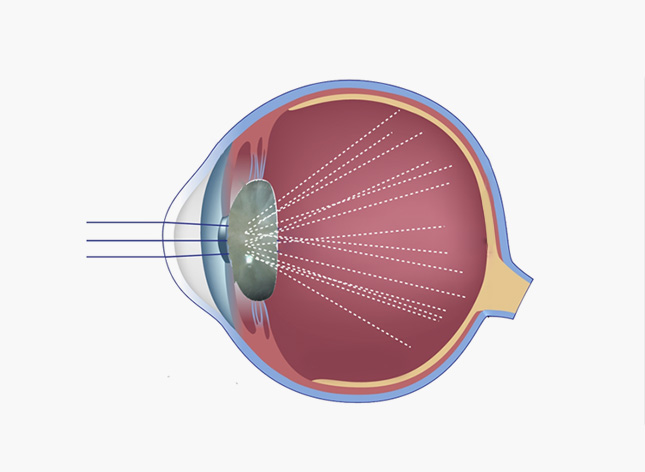
Q. How can dry eye from contact lenses be managed?
Preservative-free artificial tears used before and after lens wear, warm compresses, and daily lid hygiene to address meibomian gland dysfunction are the foundation of treatment. Switching to daily disposable lenses also reduces the protein and lipid deposits that build up on reusable lenses and worsen irritation.
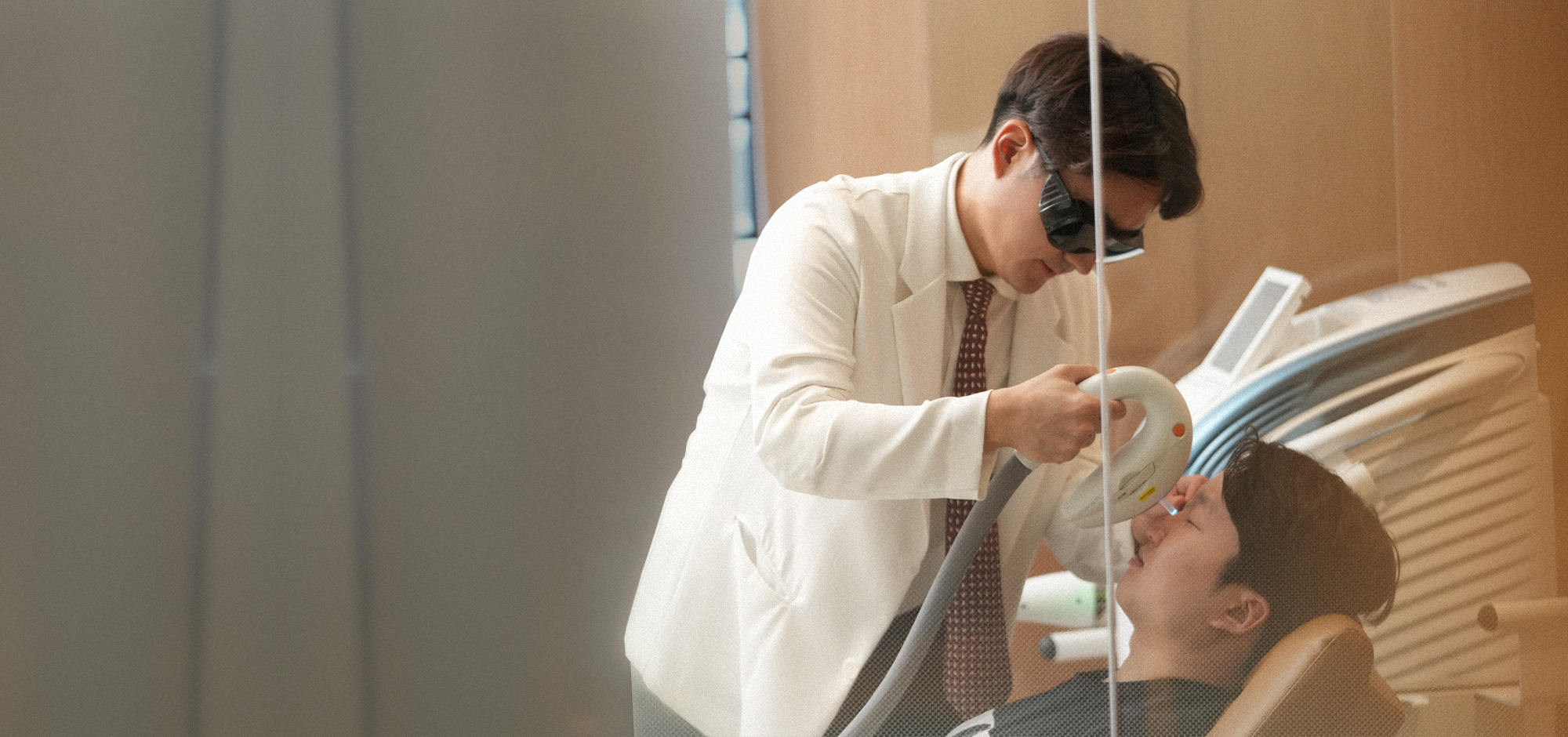
For more persistent cases, punctal plugs, prescription anti-inflammatory drops, or in-office treatments such as intense pulsed light therapy or meibomian gland expression can restore a healthier tear film and meaningfully extend comfortable lens-wearing time.
Q. Which contact lenses are best if you have dry eye?
Silicone hydrogel daily disposables tend to cause less dryness than monthly lenses because a fresh lens is used every day. Patients with more significant dry eye disease often do better with scleral lenses, which vault over the cornea and hold a reservoir of fluid against the eye throughout wear. Some patients also benefit from limiting lens wear to shorter periods and keeping glasses on hand as a backup for particularly dry or symptomatic days.
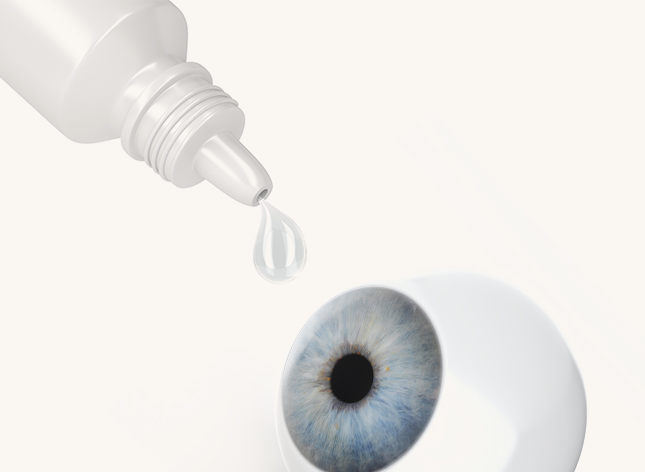
⚠ When contact lens dry eye needs same-week evaluation
- Persistent redness or pain that continues even after removing the lenses
- Blurred vision that does not improve after blinking or using lubricating drops
- Light sensitivity or discharge, which may indicate infection rather than simple dryness
- Contact lens intolerance that has progressively worsened over weeks despite over-the-counter drops
Daily Disposables
A fresh lens each day minimizes deposit buildup and is often the first switch recommended for mild dryness.
Scleral & RGP Lenses
Vault over the irregular or dry ocular surface, holding a fluid reservoir that keeps the cornea comfortably hydrated all day.
Lens-Free Days
Alternating with glasses on especially dry or high-screen-time days lets the ocular surface recover between wearing periods.
“Many patients tell me they assume dry eye means giving up contact lenses entirely, but that is rarely the case. With the right lens material, a disciplined lid hygiene routine, and treatment of any underlying meibomian gland dysfunction, most of my patients in Yeongdeungpo and Guro continue wearing lenses comfortably for years.”
— Dr. Daniel Baik, Nunehim Eye Center
❓ Frequently Asked Questions
Q. Can dry eye be cured, or only managed?
Dry eye is generally a chronic condition that is managed rather than cured, but with consistent treatment — including artificial tears, lid hygiene, and addressing meibomian gland dysfunction — most patients achieve long-term comfort and can continue normal activities, including contact lens wear.
Q. Are daily disposable lenses better for dry eyes than monthly lenses?
Yes, daily disposable lenses are generally preferred for patients with dry eye because a fresh lens each day eliminates the protein and lipid deposits that accumulate on reusable lenses and worsen surface irritation over the course of a wearing cycle.
Q. Do artificial tears interact with contact lenses?
Preservative-free artificial tears are generally safe to use with contact lenses in place, but patients should check whether a specific formulation is labeled safe for use over lenses, since some thicker gel-based drops are intended only for use without lenses in the eye.
Q. Is screen time really connected to contact lens dry eye?
Yes. Concentrated visual tasks such as reading a screen reduce the natural blink rate by up to 60%, which accelerates tear film evaporation and is a major contributing factor to end-of-day contact lens discomfort, particularly among office workers.
Q. What is meibomian gland dysfunction and how does it relate to contact lenses?
Meibomian gland dysfunction occurs when the glands along the eyelid margin that secrete the oily layer of the tear film become blocked or produce poor-quality oil, causing tears to evaporate too quickly. This evaporative dry eye is a leading cause of contact lens discomfort in Korean patients.
Q. Should I stop wearing contact lenses if I have dry eye symptoms?
Not necessarily. Most patients can continue wearing lenses after switching to a more suitable lens type, adjusting wearing time, and treating the underlying dry eye, though an ophthalmologist should evaluate persistent or worsening symptoms before continuing lens wear.
Q. Where can I get a dry eye and contact lens evaluation in Seoul?
Nunehim Eye Center in Yeongdeungpo-gu offers dry eye evaluation and contact lens fitting under Dr. Daniel Baik, serving patients from Yeongdeungpo, Guro, Gasan, and Gwanak in both Korean and English consultations.
Book a Consultation
nunehim.com — Yeongdeungpo · Guro · Gasan · Gwanak
📍 Visit Nunehim Eye Center — Guro, Seoul
Convenient access from Guro, Gasan, Gwanak & Dongjak. Near Guro Digital Complex Station (Line 2).
Address: 551 Siheung-daero, Guro-gu, Seoul — nunehim.com
Hours: Mon–Fri 09:00–18:30 (lunch 13–14), Sat 09:00–14:00
Languages: Korean & English


Leave a comment