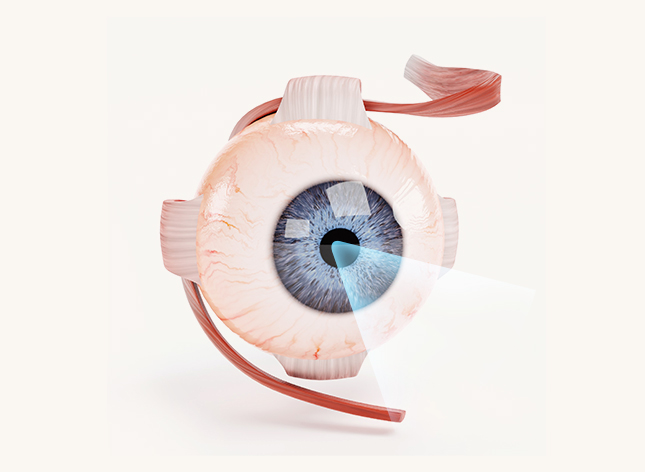
Photophobia (Light Sensitivity): Causes and Treatment in Seoul
Practical guidance from Nunehim Eye Center for patients in Yeongdeungpo, Guro, Gasan and Gwanak
Q. What is photophobia?
Photophobia is an abnormal sensitivity to light that causes discomfort, squinting, or pain in bright environments. In Seoul patients it is most often linked to dry eye syndrome, migraine, or contact lens overwear rather than a single disease, though it can occasionally signal a more serious condition.
Q. What does light sensitivity feel like, and why does it happen?
Patients typically describe squinting, tearing, or eye discomfort in sunlight, fluorescent office lighting, or even normal indoor lighting. It happens because inflammation, dryness, or irritation on the eye surface or inside the eye makes the light-sensing nerves in the cornea and retina overreact to normal amounts of light. In our Yeongdeungpo clinic, this is one of the most frequent complaints among both office workers and students.
Q. How common is light sensitivity among Seoul residents?
- ▸ Korea has among the highest myopia rates worldwide, with population-based studies reporting refractive error in the large majority of young adults — a group also more prone to dry-eye-related light sensitivity.
- ▸ Dry eye disease affects a substantial share of Korean adults who use digital devices more than 6 hours a day, a pattern common among office workers in Gasan and Guro Digital Complex.
- ▸ Year-round indoor heating and air conditioning, widely used across Seoul offices and apartments in Yeongdeungpo and Gwanak, lowers indoor humidity and increases tear evaporation.
- ▸ Contact lens wear among Korean adults in their 20s and 30s is among the highest in Asia, a known risk factor for corneal surface irritation and secondary light sensitivity.
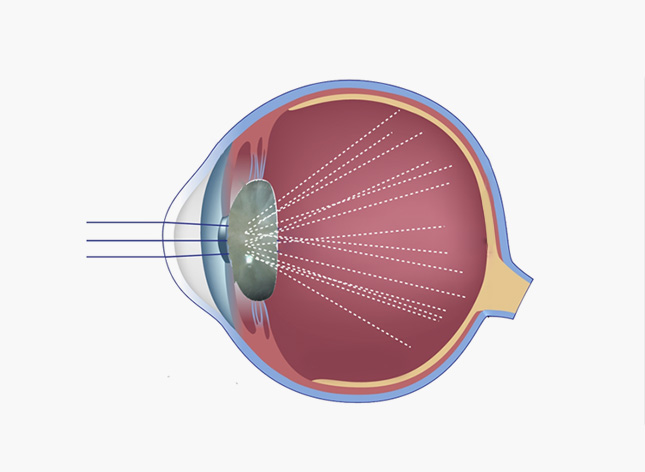
Q. How is photophobia treated?
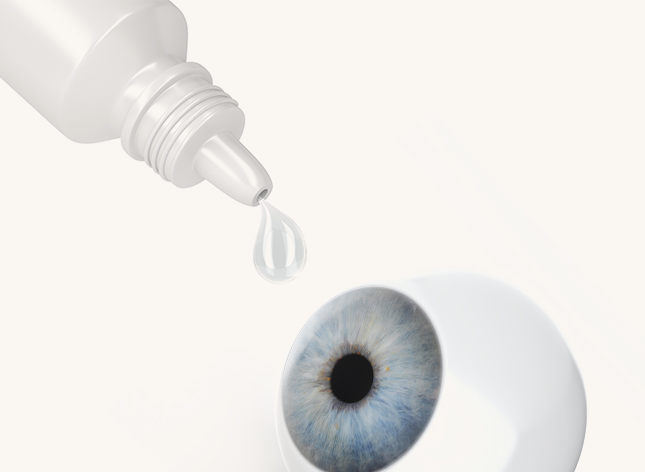
Treatment targets the underlying cause rather than the light sensitivity itself. For dry-eye-related photophobia, preservative-free artificial tears, warm compresses, and meibomian gland treatment are usually the first step, often bringing noticeable relief within two to four weeks.
When photophobia stems from uveitis or a corneal abrasion, prescription steroid or antibiotic drops from an ophthalmologist are required. Self-treating with over-the-counter drops alone can delay recovery or mask a worsening infection.
Q. What are the common causes of light sensitivity in Seoul patients?
Causes range from dry eye syndrome, migraine, blepharitis, and contact lens overwear to uveitis or iritis, corneal abrasion, temporary sensitivity after refractive surgery, and — rarely — meningitis or medication side effects. In our Yeongdeungpo clinic, dry eye and digital eye strain account for most adult cases, while allergic conjunctivitis is a frequent cause among younger patients from Guro and Gwanak.
⚠ Warning Signs That Need Same-Day Care
- Sudden onset with severe eye pain
- Vision blurring or loss alongside light sensitivity
- Redness with an irregular or non-reactive pupil
- Recent eye trauma, chemical exposure, or foreign body sensation
- Fever, headache, and neck stiffness together with eye pain
- Discharge or worsening redness in contact lens wearers
Mild
Occasional discomfort in sunlight or on screens; usually dry eye or eye strain related; manageable with lubricating drops.
Moderate
Persistent sensitivity with headache or eye fatigue; may indicate migraine, blepharitis, or early uveitis; needs an eye exam within days.
Severe
Sudden, painful light sensitivity with vision change; may indicate corneal ulcer, acute uveitis, or injury; requires same-day ophthalmology care.
“In my practice at Nunehim Eye Center, I see many patients from Yeongdeungpo and Guro who assume light sensitivity will resolve on its own. Most cases do improve quickly once we identify whether dry eye, digital strain, or an underlying inflammation is the cause — but persistent or painful symptoms deserve a proper exam.” — Dr. Daniel Baik, board-certified ophthalmologist
❓ Frequently Asked Questions
Q. Is photophobia always a sign of a serious eye disease?
No. Most cases we see at our Yeongdeungpo and Guro clinic relate to dry eye or digital eye strain, but sudden severe photophobia with pain or vision loss should be checked immediately.
Q. Can dry eye really cause light sensitivity?
Yes. Dry eye disrupts the tear film that protects the cornea, and an irritated corneal surface becomes more reactive to light. This is one of the most common causes we see in office workers commuting through Gasan and Guro Digital Complex.
Q. How is photophobia diagnosed?
Diagnosis starts with a slit-lamp exam to check the cornea, tear film, and anterior chamber, sometimes combined with tear break-up time testing or pupil evaluation to rule out uveitis.
Q. Should I wear sunglasses indoors if my eyes are sensitive?
Short-term use of tinted or photochromic lenses can reduce discomfort, but wearing dark glasses indoors for weeks can make eyes more light-reactive over time, so treating the underlying cause matters more.
Q. Can long screen time make light sensitivity worse?
Yes. Reduced blink rate during screen use worsens tear film stability, which is common among Gwanak-based students and Gasan office workers who spend eight or more hours daily on screens.
Q. Is photophobia linked to migraines?
Migraine is one of the leading neurological causes of photophobia, often appearing before or during headache episodes, and can be managed jointly with neurology when needed.
Q. When is photophobia a medical emergency?
Seek immediate care if light sensitivity comes with sudden severe eye pain, vision loss, redness with a fixed pupil, recent eye injury, or fever and neck stiffness, since these can indicate uveitis, corneal ulcer, or meningitis.

Book a Consultation
Nunehim Eye Center — nunehim.com
📍 Visit Nunehim Eye Center — Guro, Seoul
Convenient access from Guro, Gasan, Gwanak & Dongjak. Near Guro Digital Complex Station (Line 2).
Address: 551 Siheung-daero, Guro-gu, Seoul / nunehim.com
Hours: Mon–Fri 09:00–18:30 (lunch 13–14), Sat 09:00–14:00
Languages: Korean & English


Leave a comment