Sports Eye Safety: Protecting Your Vision During Exercise in Seoul
A board-certified ophthalmologist’s guide for athletes in Yeongdeungpo, Guro, Gasan & Gwanak
Q. How can you protect your eyes during sports?
The best way to protect your eyes during sports is to wear sport-specific protective eyewear (polycarbonate lenses for racket and ball sports), UV-blocking sunglasses for outdoor exercise, and to switch to daily disposable lenses or OK lenses instead of monthly contacts for water-based activities. At Nunehim Eye Center in Yeongdeungpo-gu, Seoul, we see a steady stream of sports-related eye injuries each year that proper protective eyewear could have prevented.
Q. Why is sports eye safety such a concern for exercisers in Seoul?
Korea has one of the highest myopia rates in the world — research from Korean university hospitals has reported myopia in close to 96% of young Korean men, meaning a large share of recreational athletes in Guro, Yeongdeungpo, Gasan, and Gwanak already rely on glasses or contact lenses during exercise. That adds an extra layer of risk: broken frames, dislodged lenses, or blurred emergency vision right when quick reactions matter most. With futsal, badminton, climbing, and cycling increasingly popular around Seoul’s parks and river trails, sports eye safety deserves the same attention as knee or ankle protection.
Q. What are the most common sports-related eye injuries?
- Corneal abrasion from fingers, racquets, or flying dust and sand
- Blunt trauma from balls or shuttlecocks (badminton, squash, baseball) causing bruising or orbital injury
- UV keratitis — sunburn-like irritation of the cornea from prolonged sun exposure without sunglasses
- Chemical or bacterial irritation from swimming with contact lenses in pool or open water
- Retinal detachment or vitreous hemorrhage from high-impact collision sports
Sports Eye Safety: The Local Context
- ▸ Myopia affects an estimated 96% of young Korean men, adding extra risk when glasses or contacts are worn during sports
- ▸ Many athletes exercising in Guro and Yeongdeungpo parks wear no eye protection despite regular ball or racket use
- ▸ Swimming with contact lenses significantly raises the risk of corneal infection
- ▸ Racket sports such as badminton and squash are frequently cited in Korean sports-medicine literature as common causes of eye injury
Q. What protective eyewear should you use for different sports?
For racket and ball sports, look for ANSI/ASTM-rated sport safety glasses or goggles with polycarbonate lenses, which resist impact far better than everyday eyewear. For outdoor running, cycling, or hiking around Seoul — including Gwanaksan trails and the Hangang riverside near Yeongdeungpo — wraparound UV400 sunglasses protect against both impact and long-term UV damage.
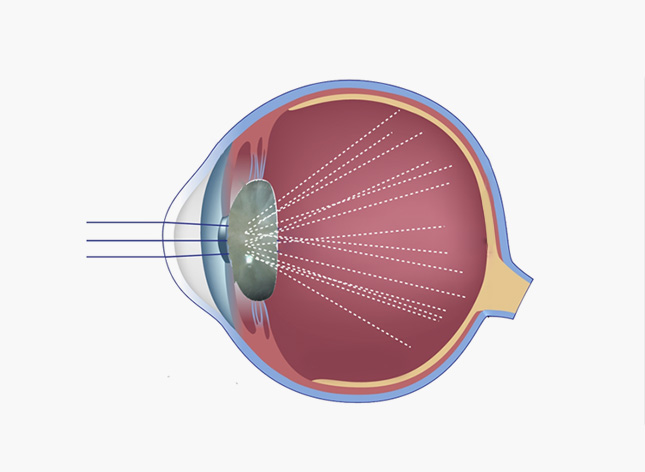
For nearsighted or astigmatic athletes, OK lenses (orthokeratology) worn overnight can be an excellent option, giving clear daytime vision without the risk of a lens dislodging or glasses breaking mid-play — something we discuss often with active patients from Gasan and Gwanak.
Q. Should contact lens wearers avoid sports altogether?
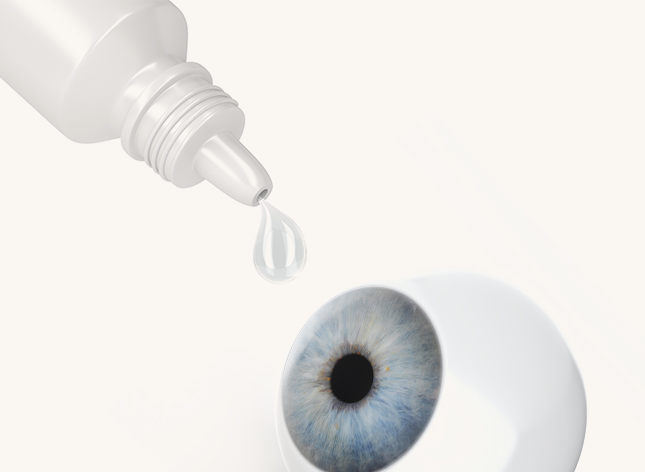
Not at all — but choose daily disposable lenses over monthly ones to reduce infection risk, always remove lenses before swimming or waterparks, and keep rewetting drops on hand for dusty outdoor courts. If your sport involves frequent impact, ask about OK lenses or protective eyewear designed to fit over your prescription.
Q. What gear should you bring for common sports in Seoul?
- Badminton / squash — ANSI-rated safety goggles, daily disposable lenses
- Cycling / running along the Hangang or Anyangcheon — UV400 wraparound sunglasses
- Swimming — prescription swim goggles instead of contact lenses
- Futsal / soccer — impact-resistant sport frames if you wear glasses
- Hiking Gwanaksan or nearby trails — polarized sunglasses and a hat for glare control
Q. How long does recovery take after a sports eye injury?
Minor corneal abrasions typically heal within 1–3 days with proper care, while blunt trauma or internal bleeding can take weeks to fully resolve and requires follow-up monitoring. Any injury affecting vision should be evaluated by an ophthalmologist promptly rather than waiting to see if it improves on its own.
Q. When is a sports eye injury an emergency?
- Sudden vision loss or new blurring
- Sharp or worsening eye pain
- Visible blood pooling in the white of the eye
- New flashes of light or a sudden increase in floaters
- Any object embedded in or stuck to the eye
If any of these occur, seek immediate care at an ophthalmology clinic or emergency room right away.
Before You Play
- Check your eyewear fits securely
- Apply sunscreen and sunglasses for outdoor sessions
- Swap contacts for daily disposables or goggles for water sports
During Play
- Wear sport-rated protective eyewear
- Stay aware of balls, racquets, and elbows in fast play
- Stop if you feel sudden eye discomfort
After an Impact
- Avoid rubbing the eye
- Apply a cold compress around the eye
- See an ophthalmologist promptly if pain or vision changes persist
A Note From Dr. Daniel Baik
“As a board-certified ophthalmologist treating patients across Yeongdeungpo, Guro, and Gasan, I regularly see sports injuries that a simple pair of safety glasses would have prevented. If you already wear glasses or contacts for sports, ask us about protective options suited to your prescription and your activity.”
❓ Frequently Asked Questions
Q. Do I need special glasses for badminton or squash?
Yes — regular prescription glasses aren’t impact-rated and can shatter on contact. Sport safety glasses with polycarbonate lenses are strongly recommended for any racket sport.
Q. Can I wear regular sunglasses while cycling or running outdoors in Seoul?
Regular sunglasses give basic UV protection, but wraparound sports sunglasses with UV400 protection and a secure fit are better for cycling and running, especially along trails near Yeongdeungpo and the Hangang riverside.
Q. Are OK lenses (orthokeratology) good for athletes?
Yes. OK lenses are worn overnight and removed in the morning, giving clear vision all day without the risk of glasses breaking or contacts dislodging during sports — a popular option among our patients in Gasan and Gwanak who play weekend sports.
Q. What should I do if I get hit in the eye during sports?
Stop playing immediately, avoid rubbing the eye, apply a cold compress gently around (not directly on) the eye, and seek evaluation from an ophthalmologist promptly, especially if you notice pain, blurred vision, or visible bleeding.
Q. Is it safe to swim with contact lenses?
It’s not recommended. Pool, ocean, and lake water can carry bacteria and parasites that stick to contact lenses and increase the risk of serious corneal infection. Wear swim goggles and remove lenses beforehand when possible.
Q. How common are eye injuries in youth sports in Korea?
Eye injuries are a recognized concern in Korean youth sports, particularly in racket sports and ball games played in school and community settings, which is why many pediatric ophthalmologists recommend protective eyewear for young athletes.
Q. Where can I get fitted for sports eyewear or OK lenses near Yeongdeungpo?
Nunehim Eye Center in Yeongdeungpo-gu offers consultations in Korean and English for sports eyewear recommendations and OK lens fittings, serving patients from Yeongdeungpo, Guro, Gasan, and Gwanak.

Book a Consultation
Nunehim Eye Center · nunehim.com · Yeongdeungpo-gu, Seoul
📍 Visit Nunehim Eye Center — Guro, Seoul
Convenient access from Guro, Gasan, Gwanak & Dongjak. Near Guro Digital Complex Station (Line 2).
Address: 551 Siheung-daero, Guro-gu, Seoul / nunehim.com
Hours: Mon–Fri 09:00–18:30 (lunch 13–14), Sat 09:00–14:00
Languages: Korean & English


Leave a comment