Can Screens Really Damage Your Eyes? Digital Eye Strain Facts
Digital Eye Strain Facts from a Seoul Ophthalmologist
Q. Can screens really damage your eyes?
No — screens do not cause permanent structural damage to the eyes. However, prolonged screen use is the leading cause of digital eye strain, a temporary but very real condition marked by dryness, blurred vision, fatigue, and headaches. For patients in Yeongdeungpo, Guro, and Gasan who spend eight or more hours daily on computers and smartphones, understanding and managing digital eye strain is essential for long-term eye comfort.
Q. What is digital eye strain?
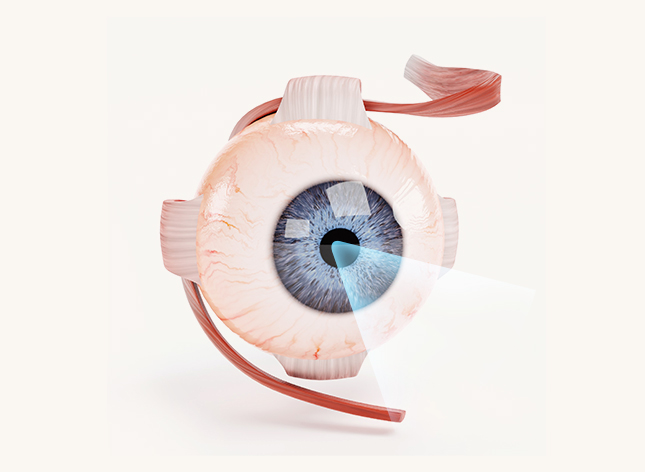
Digital eye strain, also known as computer vision syndrome, is a group of eye and vision-related symptoms that result from prolonged use of computers, tablets, and smartphones. It is not a disease of the eye itself, but a functional response to sustained close-range focusing, reduced blinking, and screen glare. Rates of digital eye strain have risen sharply across Seoul as remote work, online classes, and smartphone use have become part of daily life in Yeongdeungpo, Guro, and Gasan.
Q. How common is digital eye strain in Korea?
▸ Korean adults spend an average of over 7 hours a day on screens between smartphones and computers, among the highest rates worldwide.
▸ Surveys of Seoul office workers show more than 65% report at least one digital eye strain symptom on a weekly basis.
▸ Myopia (nearsightedness) affects an estimated 80-96% of young adults in Korea’s major cities, a trend linked partly to heavy near-work and reduced time outdoors.
▸ Dry eye disease diagnoses in Korea have risen substantially over the past decade, tracking closely with increased screen time across all age groups.
Q. How can I reduce digital eye strain?
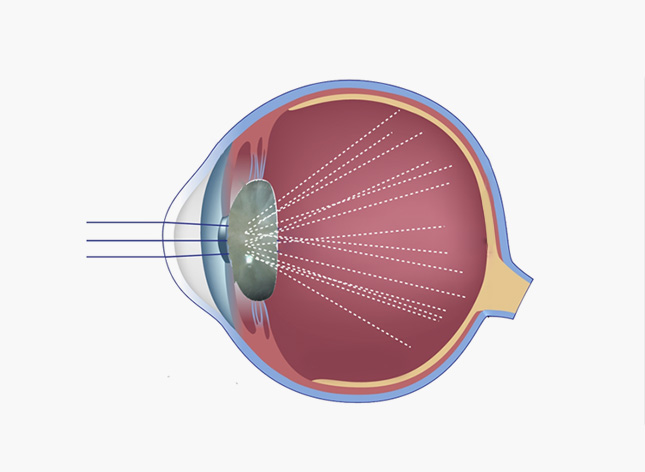
The single most effective habit is the 20-20-20 rule: every 20 minutes, look at something 20 feet (about 6 meters) away for at least 20 seconds. This relaxes the focusing muscles inside the eye and encourages a normal blink rate, which drops by up to 60% during screen use.
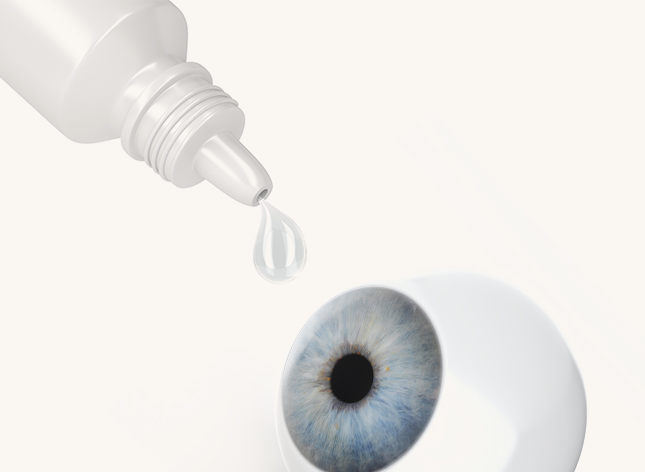
Preservative-free artificial tears, proper screen brightness matched to room lighting, positioning screens slightly below eye level, and taking real breaks away from all devices also help substantially. Blue-light-filtering glasses may improve comfort for some patients, though current evidence does not show they prevent digital eye strain on their own.
Q. Does screen time cause permanent eye damage or myopia progression?
The light emitted by screens at normal viewing distances and brightness has not been shown to cause permanent retinal damage. However, extended near-work — especially in children — is associated with faster myopia progression, and reduced time spent outdoors appears to be an even larger contributing factor. This is a significant concern in Seoul, where school-age children already show some of the highest myopia rates in the world.
Q. When should I see an eye doctor in Seoul about screen-related symptoms?
- Symptoms persist despite rest, breaks, and lubricating eye drops
- Sudden blurred vision, new floaters, or flashes of light — these need urgent retinal evaluation, not just strain management
- Eye pain, redness, discharge, or light sensitivity that does not resolve within a day or two
- You haven’t had a comprehensive eye exam in over a year and rely on screens daily
- A child shows squinting, headaches, or holds devices unusually close to the face
Early (Hours 1-2)
Mild dryness and occasional blur that clears quickly with blinking or a brief look away from the screen.
Moderate (After 4+ Hours)
Persistent dryness, headache, blurred vision that lingers, and tension across the neck and shoulders.
Chronic (Daily, Weeks-Months)
Ongoing dry eye, worsening difficulty shifting focus between near and far, disrupted sleep from evening screen use, and possible myopia progression in children.
Q. What does Dr. Daniel Baik say about digital eye strain?
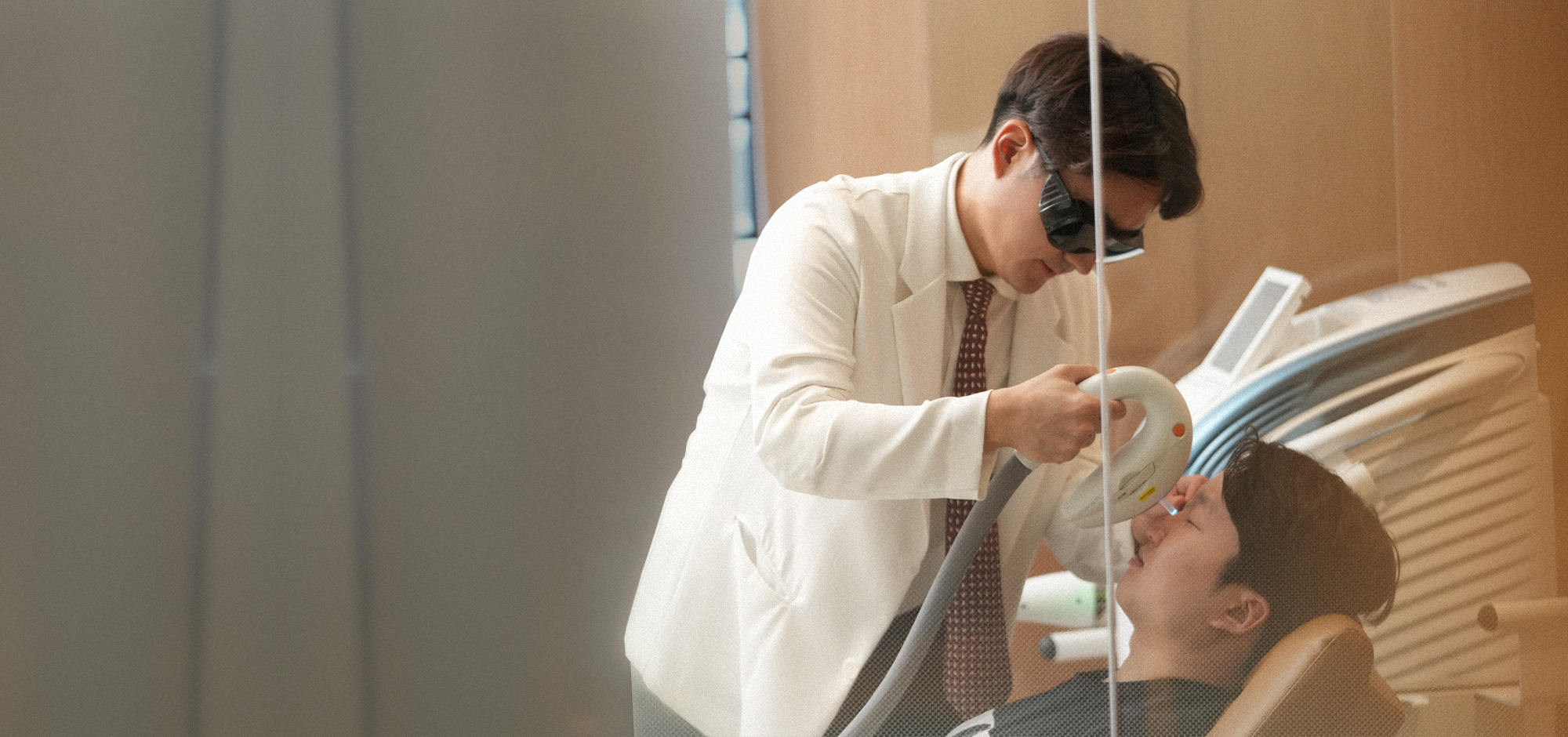
“In my clinic in Guro-gu, I see office workers, students, and remote employees from across Yeongdeungpo and Gasan every week with the same complaint: tired, dry, blurry eyes by mid-afternoon. The good news is that digital eye strain is very manageable once we identify the right combination of habits, lubrication, and, when needed, an updated glasses prescription. Your eyes aren’t being damaged by the screen itself, but they are asking for a break.” — Dr. Daniel Baik, board-certified ophthalmologist
❓ Frequently Asked Questions
Q. Do blue light glasses actually prevent digital eye strain?
Blue light blocking glasses may improve visual comfort for some patients, but current clinical evidence does not show they prevent digital eye strain or protect the retina from screen use at normal viewing distances. The proven strategies remain the 20-20-20 rule, adequate blinking, proper lighting, and correcting any underlying refractive error.
Q. Can children get digital eye strain from online classes or tablets?
Yes. Children are especially susceptible because they tend to hold devices closer and blink less during focused screen tasks. Extended near-work in children is also associated with faster myopia progression, a significant concern given the high prevalence of myopia among school-age children in Seoul.
Q. Is it bad to use my phone right before bed?
Screen use before bed is linked more to sleep disruption than direct eye damage. Reduced blinking and prolonged near focus in low light can still worsen dryness and strain symptoms, so many ophthalmologists recommend lowering screen brightness and taking breaks in the hour before sleep.
Q. How often should I get my eyes checked if I work on a computer all day?
Office workers and students with heavy daily screen use should have a comprehensive eye exam at least once a year, or sooner if symptoms like persistent blur, headaches, or eye discomfort develop. Regular exams help catch both digital eye strain and unrelated conditions early.
Q. Can digital eye strain cause permanent vision loss?
No. Digital eye strain is a functional, temporary condition and does not cause permanent vision loss or retinal damage. However, unrelated conditions such as retinal tears or uncorrected refractive error can sometimes be mistaken for simple eye strain, which is why persistent or unusual symptoms should be evaluated by an ophthalmologist.
Q. What eye drops are safe for daily digital eye strain?
Preservative-free artificial tears are generally safe for regular daily use and are the first-line treatment for screen-related dryness. Patients with more severe symptoms may benefit from a tailored dry eye treatment plan recommended by an ophthalmologist after an exam.
Q. Does screen size or distance matter for eye strain?
Yes. Positioning a screen roughly an arm’s length away (50-70 cm) and slightly below eye level reduces strain compared to holding a phone very close to the face. Larger screens viewed at a proper distance generally cause less strain than small screens held close, such as smartphones used for extended reading.

Book a Consultation
Visit Nunehim Eye Center in Guro, Seoul — nunehim.com
📍 Visit Nunehim Eye Center — Guro, Seoul
Convenient access from Guro, Gasan, Gwanak & Dongjak. Near Guro Digital Complex Station (Line 2).
Address: 551 Siheung-daero, Guro-gu, Seoul / nunehim.com
Hours: Mon–Fri 09:00–18:30 (lunch 13–14), Sat 09:00–14:00
Languages: Korean & English


Leave a comment