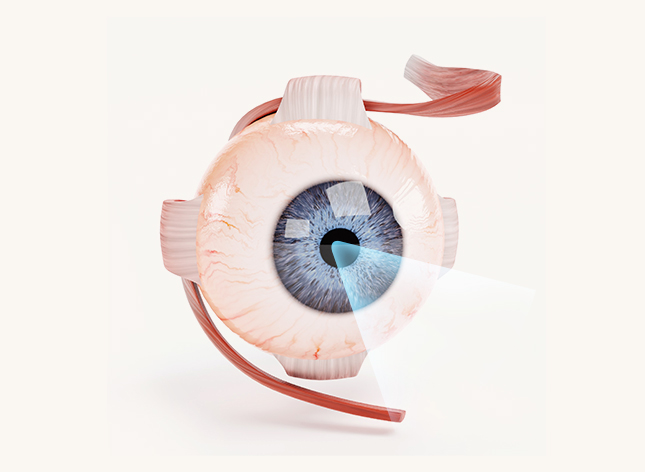
Retinal Tear vs Retinal Detachment: Key Differences to Know
What Seoul Patients Need to Know About These Two Retinal Conditions
Q. What is the difference between a retinal tear and a retinal detachment?
A retinal tear is a small break in the retina’s tissue, while a retinal detachment occurs when the retina pulls away entirely from the back wall of the eye. A retinal tear is often an early warning sign that, when treated promptly with laser or freezing therapy, can prevent progression to a full retinal detachment — a more serious condition that typically requires surgery and poses a real risk to vision if not treated urgently. Patients across Yeongdeungpo, Guro, and Gasan with high myopia should know these warning signs well.
Q. What is a retinal tear?
A retinal tear develops when the vitreous gel inside the eye shrinks with age and pulls away from the retina, a process called posterior vitreous detachment. If this pulling is strong enough at a point where the vitreous is firmly attached, it can tear the retinal tissue. Retinal tears are considerably more common in people with moderate to high myopia, a group that makes up a very large share of adult patients seen at our Guro-gu clinic.
Q. How common are retinal tears and detachment in Korea?
▸ Retinal tears and detachment occur more often in people with high myopia, and Korea has one of the highest myopia rates in the world, estimated at 80-96% among young adults in major cities.
▸ Posterior vitreous detachment, a major risk factor, is common after age 50-60 but tends to occur earlier in highly myopic patients.
▸ A meaningful proportion of untreated retinal tears progress to full retinal detachment, which is why prompt evaluation after new floaters or flashes matters.
▸ Retinal detachment is estimated to affect roughly 1 in 10,000 people per year globally, with notably higher rates among high myopes and those with a history of cataract surgery.
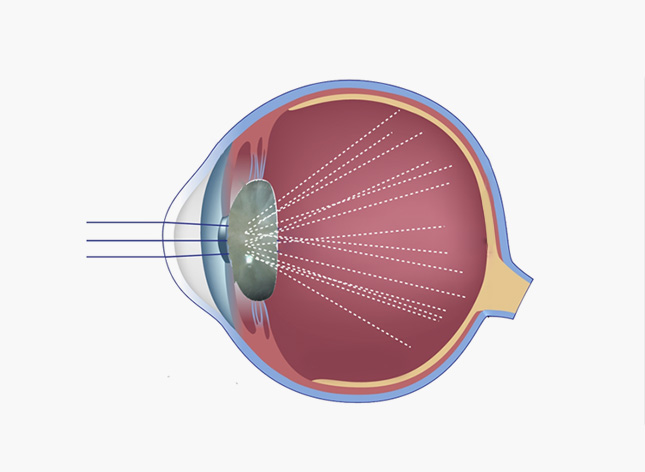
Q. How are retinal tears and detachments treated?
A retinal tear found before it progresses can often be sealed in a single in-office session using laser photocoagulation or cryotherapy (freezing). Both procedures create a scar around the tear that prevents fluid from passing through and lifting the retina further.
Once a full retinal detachment has occurred, surgery is required. Depending on the extent and location, this may involve pneumatic retinopexy, a scleral buckle, or a vitrectomy. Outcomes are generally best when treatment happens before the detachment reaches the macula, the area responsible for sharp central vision.
Q. What causes a retinal tear or detachment?
The most common cause is age-related shrinkage of the vitreous gel, but several factors raise the risk substantially: high myopia (very common among patients in Seoul), previous eye trauma or intraocular surgery such as cataract surgery, and a family history of retinal detachment. Because of Korea’s high rates of myopia, we monitor this condition closely in patients from Yeongdeungpo, Guro, Gasan, and Gwanak.

Q. When should I see a doctor immediately in Seoul?
- A sudden increase in floaters or flashes of light
- A shadow or curtain effect across part of your vision
- Sudden blurred or distorted central vision
- Any of the above, especially if you have high myopia or a previous retinal issue
- These symptoms are considered an emergency — do not wait, see an ophthalmologist the same day
Retinal Tear
A small break in the retinal tissue. Often treatable in a single office laser or freezing session, with vision usually preserved if caught early.
Retinal Detachment
The retina separates from the underlying tissue. Requires surgery, sometimes multiple procedures, with outcomes depending on speed of treatment and whether the macula is involved.
Emergency Signs
Sudden floaters, flashes, or a curtain/shadow in your vision — see an ophthalmologist the same day, especially if you are highly myopic.
Q. What does Dr. Daniel Baik say about retinal tears?
“I frequently diagnose retinal tears in patients from Gasan and Gwanak who come in for sudden floaters, thinking it’s simply eye fatigue. Because Korea has such a high rate of myopia, our practice sees this condition often, and I always emphasize the same message: floaters and flashes that appear suddenly are never something to wait out. A same-day dilated retinal exam can mean the difference between a simple laser treatment and a much more involved surgery.” — Dr. Daniel Baik, board-certified ophthalmologist
❓ Frequently Asked Questions
Q. Are floaters always a sign of a retinal tear?
Not always. Floaters are common and often relate to normal age-related changes in the vitreous gel. However, a sudden increase in floaters, especially combined with flashes of light or a shadow in your vision, warrants a prompt dilated eye exam to rule out a retinal tear or detachment.
Q. Why are people with high myopia more at risk?
Highly myopic eyes are longer than average, which stretches and thins the retina, making it more prone to tears. Since a large proportion of adults in Seoul have moderate to high myopia, retinal tears and detachments are conditions we monitor closely in this population.
Q. Is laser treatment for a retinal tear painful?
Laser photocoagulation is typically performed in-office with numbing eye drops and is generally well tolerated. Most patients return to normal activities the same day, though some mild discomfort or light sensitivity can occur briefly afterward.
Q. How urgent is a suspected retinal detachment?
Very urgent. If the detachment is progressing toward the macula, delaying treatment by even a few days can significantly affect the final visual outcome. Anyone with sudden vision changes, a curtain effect, or rapidly worsening floaters and flashes should seek same-day evaluation.
Q. Can a retinal tear heal on its own without treatment?
Some small, asymptomatic tears found incidentally may be monitored without immediate treatment, but this decision should always be made by an ophthalmologist after a full dilated exam. Symptomatic tears generally require prompt laser or cryotherapy to prevent progression to detachment.
Q. What is the recovery like after retinal detachment surgery?
Recovery depends on the surgical technique used. Some procedures require maintaining a specific head position for several days, and full visual recovery can take weeks to months. Your surgeon will provide a personalized recovery plan based on the type and extent of the detachment.
Q. Can retinal detachment be prevented?
There is no guaranteed way to prevent retinal detachment, but regular dilated eye exams, especially for people with high myopia, a family history of retinal disease, or previous eye trauma, allow early detection of retinal tears before they progress. Protective eyewear during high-risk activities also reduces trauma-related risk.

Book a Consultation
Visit Nunehim Eye Center in Guro, Seoul — nunehim.com
📍 Visit Nunehim Eye Center — Guro, Seoul
Convenient access from Guro, Gasan, Gwanak & Dongjak. Near Guro Digital Complex Station (Line 2).
Address: 551 Siheung-daero, Guro-gu, Seoul / nunehim.com
Hours: Mon–Fri 09:00–18:30 (lunch 13–14), Sat 09:00–14:00
Languages: Korean & English


Leave a comment